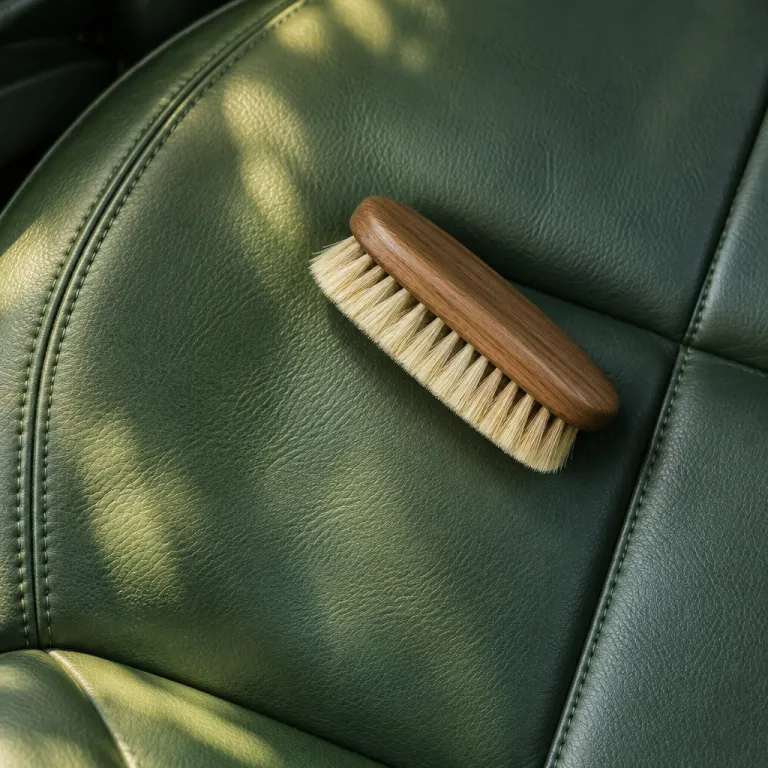
The role of a soft brush for cleaning leather in a luxury car interior
A dedicated soft brush for cleaning leather is the quiet guardian of your leather car interior. When you glide soft bristles over perforated car seats and delicate stitching, you remove abrasive dust before it grinds into the leather surface and accelerates wear. This simple leather-brush habit preserves the matte sheen that signals discreet luxury rather than the shiny patina of neglected leather cleaning.
Owners often underestimate how much damage the wrong detailing brush or harsh cleaner can inflict on a leather car cabin, especially when the product has stiff synthetic bristles or aggressive solvents. A well designed horsehair leather brush distributes pressure evenly, so the hair tips lift particles from the grain without scratching or opening the protective topcoat. Used with a balanced leather cleaner and conditioner, a soft leather-care brush becomes the foundation of serious leather maintenance rather than an optional accessory.
Think of your leather car interior as a tailored suit rather than generic car upholstery, because every contact point from the steering wheel to the bolsters deserves tailored care. The right brush for leather cleaning should feel closer to a premium hair brush than to a garage tool, with bristle density tuned to glide over curved car seats and tight seams. When this level of care-kit precision is applied consistently, the interior ages with the quiet confidence expected from a six-figure car rather than fading like a high mileage business shuttle.
How to choose the right leather cleaning brush, bristles and care kit
Selecting a soft brush for cleaning leather starts with understanding bristles, because the material and length dictate how the tool behaves on your car interior. Natural horse hair is still the reference for luxury leather care, as each hair tapers to a fine tip that behaves gently on modern coated leather and older aniline hides. A compact horsehair brush with soft bristles will flex around seat perforations and stitching, while a longer-bristle design can reach into seat creases and between console controls.
Look for a leather-cleaning brush with a solid wood handle, since wood offers better control and a warmer feel in hand than hollow plastic during precise car detailing work. Many high quality brushes are sold as part of a leather care kit that includes a pH-balanced cleaner, a dedicated conditioner and sometimes a microfiber towel for final buffing. When evaluating any cleaner–conditioner kit, focus less on the marketing and more on whether the leather cleaning formula is free from silicone shine boosters and heavy waxes that can clog pores.
Luxury owners often compare specialist boutique brands with mainstream options such as Chemical Guys leather cleaner and conditioner, which are widely available through major retailers. Whether you buy from a detailing studio or order a leather care kit from an online marketplace such as Amazon, the same rules apply regarding soft bristles, neutral pH and controlled foaming. If you already maintain your paintwork with advanced techniques such as those described in this guide on using metal polish for a flawless luxury car finish, you should hold your interior detailing brush and leather care products to the same uncompromising standard.
Step by step routine for cleaning leather car seats with soft bristles
A disciplined routine with a soft brush for cleaning leather turns a quick wipe into real preservation, especially on high wear areas like driver bolsters and armrests. Start by vacuuming the leather car seats with a soft attachment, then use the leather brush dry to loosen dust from seams, perforations and piping before any liquid touches the surface. This first pass with soft horsehair or another gentle natural-bristle design prevents grit from turning into abrasive slurry once the cleaner is applied.
Next, apply a small amount of leather cleaner to the brush or to a separate applicator, never flooding the leather car surface, and work in small sections using light circular motions. The goal is to let the soft bristles and each individual hair lift contamination while the cleaner breaks down body oils and light staining, not to scrub aggressively like a floor brush. Wipe away residue with a clean microfiber towel, then repeat the process on the rest of the car interior, paying particular attention to steering wheels, shift knobs and frequently touched trim.
Once the leather cleaning stage is complete and the surface is dry to the touch, apply a dedicated conditioner or cleaner–conditioner blend to replenish suppleness and UV resistance. A quality conditioner will leave the leather car cabin with a natural, low sheen finish rather than a slippery gloss that feels out of place in a serious driver’s car. While you refine your interior routine, it is worth reviewing how other overlooked details, such as a pitted windshield that quietly destroys the luxury driving experience, can undermine the overall sense of calm that your carefully maintained leather car seats are meant to provide.
Choosing between premium brands, online offers and professional car detailing
Luxury owners face a crowded market when choosing a soft brush for cleaning leather, with options ranging from artisan horsehair brushes to mass market kits sold through large platforms. Many detailing businesses bundle a leather care kit that includes a cleaning brush, a dedicated cleaner and a conditioner, often at a higher price but with curated compatibility. By contrast, buying individual brushes and products from an online marketplace such as Amazon allows you to control every component, from the type of bristles to the exact cleaner–conditioner formula.
When comparing offers, evaluate the total cost of ownership rather than just the initial price, especially if you maintain more than one leather car in your collection. A well made wood-handled horsehair brush with dense soft bristles can last for years of regular leather-cleaning sessions, while cheaper synthetic brushes may deform quickly and compromise leather care results. Professional car detailing studios sometimes use mainstream brands such as Chemical Guys alongside boutique European leather cleaning lines, illustrating that technique and brush selection often matter more than the logo on the bottle.
For owners who treat their vehicles as part of a broader investment portfolio, it can be useful to align interior maintenance with the same rigor applied to acquisition decisions. Resources that explain how to read a pre purchase inspection on a six figure car help you understand how inspectors evaluate leather car interiors, stitching wear and color uniformity. Applying that same inspection mindset to your choice of cleaning brush, care kit and conditioner ensures that every euro spent on products or detailing business services contributes directly to preserving resale value and long term driving pleasure.
Balancing convenience, delivery options and long term leather care strategy
Convenience often dictates whether a soft brush for cleaning leather is used regularly or left in a cupboard, so it deserves as much thought as the technical specifications. Many owners appreciate the ability to order a replacement horsehair brush or a complete leather care kit with fast delivery, especially when preparing a car for a long trip or a sale. Free delivery offers from large platforms can make it tempting to experiment with multiple brushes and cleaners, but the goal should remain a coherent, proven routine rather than a shelf full of half used bottles.
When planning your leather care strategy, consider how often each leather car surface is touched and adjust your cleaning schedule accordingly. Daily driven cars with light colored car seats may need a gentle leather-brush session every month, while a rarely used grand tourer might only require quarterly leather cleaning with a mild cleaner–conditioner. In both cases, the same principles apply: soft bristles, controlled product use and a focus on preserving the factory finish rather than chasing an artificial showroom gloss.
Owners who manage several vehicles as part of a family fleet or business often standardize on a single type of horsehair brush and compatible products to simplify storage and training for staff. A consistent choice of wood handled brushes, neutral cleaners and breathable conditioners reduces the risk of cross contamination or accidental use of harsh chemicals on sensitive leather car interiors. Over time, this disciplined approach to car interior care pays dividends in reduced reconditioning costs and a cabin that always feels ready for an impromptu client meeting or weekend escape.
Advanced tips for preserving stitching, perforations and special leather finishes
Once the basics of using a soft brush for cleaning leather are mastered, attention can shift to the finer details that distinguish a luxury cabin from an ordinary car interior. Contrast stitching, perforated ventilation panels and embossed logos all require nuanced handling with the right cleaning brush and carefully chosen products. A compact horsehair brush with slightly longer bristles can reach into these intricate areas without fraying threads or forcing cleaner into perforation holes.
For perforated car seats, always work the brush motions across the perforations rather than directly into them, allowing the soft bristles to skim over the surface while lifting debris. Excess liquid from any leather cleaning product can clog perforations and compromise seat ventilation, so apply cleaner sparingly and rely on the mechanical action of the hair tips to do most of the work. When conditioning, use a light cleaner–conditioner or dedicated conditioner applied with a foam applicator, then use a dry horsehair brush or hair-brush-style tool to even out any excess and maintain a uniform finish.
Special finishes such as semi aniline leather or open pore trim demand even more restraint, both in terms of product strength and brush pressure. In these cases, a very soft horsehair brush with densely packed bristles and a comfortable wood handle offers the best balance between effective cleaning and minimal disturbance of the surface. By treating each leather car detail with the same respect you give to exterior paint or precision metalwork, you ensure that every tactile interaction inside the cabin reinforces the sense of calm authority that defines true luxury.
Key statistics on leather car interiors and maintenance
- Industry commentary from major auction houses suggests that luxury cars with visibly worn leather interiors can sell for roughly 5% to 15% less than comparable models with well maintained cabins, highlighting the financial impact of consistent leather care. Exact figures vary by model, mileage and provenance.
- Interior care reports from detailing associations commonly estimate that well over half of premature leather wear in daily driven cars is linked to abrasive dust and dirt, which can be significantly reduced by regular use of a soft bristle cleaning brush. Individual studies use different sampling methods, so treat these numbers as indicative rather than absolute.
- Technical data shared by automotive leather suppliers indicates that modern coated automotive leather is typically engineered to withstand thousands of entry and exit cycles under standardized test conditions. This durability assumes proper cleaning with neutral products and non abrasive brushes; harsh chemicals or stiff bristles can shorten real world performance.
- Professional car detailing businesses often allocate a substantial portion of interior service time—commonly around a quarter to a third—to leather cleaning and conditioning, reflecting the complexity of modern car seats with perforations, stitching and integrated electronics. Exact percentages depend on the package level and vehicle type.
- Consumer review summaries from large online retailers consistently show that natural horsehair brushes for leather care receive higher long term satisfaction ratings than stiff synthetic brushes, particularly among owners of high value leather car interiors. Ratings fluctuate over time, but the trend toward softer natural bristles is clear.
FAQ about using a soft brush for cleaning leather in luxury cars
How often should I use a soft brush for cleaning leather car seats ?
For a daily driven luxury car, a light session with a soft horsehair brush every two to four weeks is usually sufficient, provided you vacuum regularly. High wear areas such as the driver seat bolster and steering wheel may benefit from more frequent gentle brushing to remove dust and body oils. Rarely used vehicles can follow a quarterly schedule, as long as the cabin is kept clean and protected from direct sunlight.
Can I use the same cleaning brush on leather and fabric surfaces ?
It is technically possible to use one brush on both leather and fabric, but it is not recommended for a luxury car interior. Fabric seats and carpets often hold more abrasive grit, which can become trapped in the bristles and later scratch leather surfaces. Maintaining separate brushes for leather care and for textiles is a simple way to protect delicate finishes and extend the life of your leather car seats.
Are Chemical Guys leather products safe for high end leather car interiors ?
Many owners and professional detailers successfully use Chemical Guys leather cleaners and conditioners on premium interiors, as long as they follow the instructions and avoid over application. The key is to pair any cleaner–conditioner with a genuinely soft brush for cleaning leather, such as a natural horsehair brush, and to test on a discreet area first. If the finish remains matte and supple after drying, the product is likely compatible with your specific leather.
Do I really need a dedicated horsehair brush, or will any soft brush work ?
A generic soft brush may appear adequate, but natural horse hair offers a unique combination of flexibility, tapered tips and light oil absorption that synthetic bristles rarely match. For high value leather car interiors, a dedicated horsehair brush or horsehair brush set is a modest investment compared with the cost of reupholstering worn car seats. The improved control, gentler contact and longer service life usually justify choosing a purpose built leather cleaning brush.
Should I clean leather before or after applying conditioner ?
Leather should always be cleaned before any conditioner is applied, otherwise you risk sealing in dirt and body oils that accelerate wear. Use a soft brush for cleaning leather with a mild cleaner to remove surface contamination, then allow the leather to dry fully before applying a thin layer of conditioner. This sequence ensures that the conditioner can penetrate evenly and support long term leather care rather than masking underlying problems.