Why luxury plastics need a different approach to paint removal
On a luxury car, stripping unwanted paint from plastic trim is never a trivial task. The same products that glide paint off cheaper bumpers can react very differently with high grade polymers, and the wrong remover or tool can permanently mark delicate finishes that are costly to replace. When you work around exterior parts such as parking sensors, camera housings, or a model specific plastic grille, every move must protect both function and aesthetics.
Premium manufacturers use complex blends of plastics and specialist coatings on mirror caps, bumper inserts, and side skirts. These parts often sit close to brake fluid lines, adaptive cruise control radars, and other sensitive components, so any harsh solvent that might be acceptable in a generic workshop can migrate and cause hidden damage. That is why a method that seems fine for a basic hatchback can easily compromise plastic components on a Bentley, Ferrari, or Mercedes Maybach.
Luxury owners also face more demanding standards when cleaning paint off plastic surfaces. A tiny halo of spray paint overspray on a satin black diffuser or a gloss black parking sensor ring can reduce resale value in a way that would not matter on a mainstream model. Thinking in terms of long term value, every decision about which paint stripper, which paint thinner, and which plastic safe remover to use should be as deliberate as choosing a detailing studio or body shop.
Initial assessment before you remove paint from plastic trim
Before you attempt any paint removal on plastic parts of a luxury car, assess exactly what you are facing. Identify whether the contamination is fresh spray paint, dried touch up paint from a previous repair, or transfer paint from another vehicle that rubbed against your bumper. The type of coating involved will dictate whether you start with water and mild soap or move directly to controlled use of solvents.
Begin by checking how deeply the paint from the incident has bonded to the plastic parts. Light overspray on a plastic model badge or gloss black trim may respond to a gentle, plastic safe cleaner, while thick brush applied paint on textured plastic will often require a staged approach with several products. Always test any paint remover, polish remover, or nail polish remover on an inconspicuous area to ensure it will not damage the substrate or strip paint from the original finish.
Safety comes next, especially when you work in a garage filled with high value cars. Wear chemical resistant nitrile gloves, safety glasses, and a respirator mask with organic vapour cartridges whenever you handle solvents such as acetone, alcohol based cleaners, or any paint stripper that can release strong fumes, and keep the area well ventilated to protect both your health and the interior of the vehicle. If you already use a hydrophobic glass sealer as part of your luxury car care routine, as explained in this guide to hydrophobic glass protection, you know how controlled chemical use preserves clarity and value, and the same mindset applies when restoring plastic trim.
Choosing the right chemicals and tools for luxury plastic surfaces
Selecting the correct chemical system is where many owners either protect or ruin their investment. Start with the least aggressive option, such as warm water with pH neutral shampoo, then progress to 70–90 % isopropyl alcohol or a dedicated automotive paint remover designed for plastics. Only if these fail should you consider stronger solvents like acetone, brake fluid, or a professional grade paint stripper, and even then only on non critical parts and for very short contact times.
Each solvent interacts differently with plastic and with the paints used on luxury exterior parts. Acetone can sometimes lift unwanted paint from a hard plastic model badge without harming the underlying substrate, yet on softer plastics it will attack the surface, dulling the gloss and causing permanent marks that no polish remover can fully correct. Brake fluid and generic paint thinner are especially risky, because they can creep under edges, soften factory coatings, and even damage rubber seals or clear coat on adjacent panels.
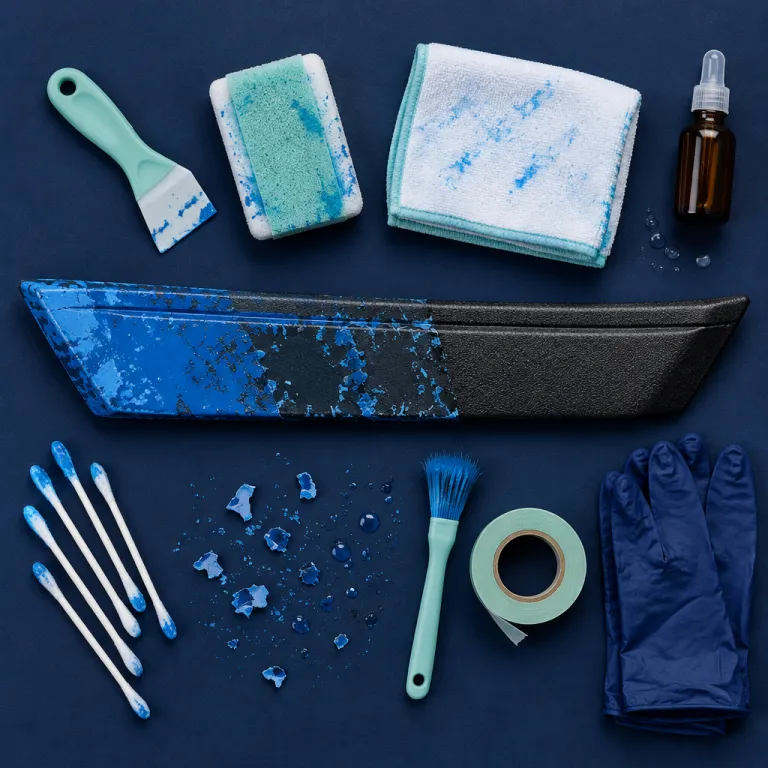
Tools matter as much as chemicals when you are cleaning paint off plastic trim. Use a soft bristle brush, high quality microfiber, and plastic safe detailing sticks instead of metal scrapers or hard blades that will mar the surface instantly. If you plan a full repaint after stripping, align your timing with body shop schedules, and consult resources such as this analysis of how long it takes to repaint a luxury car to perfection so you do not remove coatings too early and leave parts exposed for weeks.
Step by step method to remove paint from plastic on high value cars
Work methodically when you clean paint off plastic on a Rolls Royce, Lamborghini, or Porsche, because rushing is what will damage the finish. First, rinse the affected plastic parts with clean water to remove loose dirt, then gently wash with a lubricated shampoo to avoid grinding contaminants into the surface. Dry thoroughly so you can see exactly where the unwanted paint remains on the plastic.
Next, apply a mild solvent such as 70–90 % isopropyl alcohol on a microfiber pad and work on a small test area. If the transfer paint begins to soften without clouding the plastic coating beneath, continue in short passes, wiping away dissolved residue before it can re dry, and repeat until progress slows. When alcohol is not enough, step up to a dedicated plastic safe paint remover or a carefully controlled, acetone free nail polish remover, always watching for early signs that the product is starting to damage the plastic, such as softening, smearing, or loss of clarity.
For stubborn spray paint on textured bumpers or black diffuser fins, a gel type paint stripper formulated for plastics can help break the bond without running onto adjacent panels. Apply it with a soft bristle brush, allow the stripper to dwell only for the manufacturer’s recommended time, then gently agitate and rinse with plenty of water to flush away loosened paint and solvents. Throughout the process, keep gloves and respirator on and maintain strong ventilation, because even premium products designed for a plastic model or scale parts can release fumes that are not suitable for prolonged exposure in a closed garage.
What to avoid so you do not damage plastic trim
Many common workshop habits will damage plastic on a luxury car far more quickly than owners expect. Never soak exterior parts in strong solvents such as acetone, generic paint thinner, or industrial paint stripper, because these products can attack factory coatings and leave the substrate swollen or brittle. Avoid using household cleaners, aggressive polish remover, or random products from under the sink, since they are rarely tested on the complex plastics used in high end automotive design.
Be especially cautious with brake fluid when working near calipers, wheels, and adjacent plastic parts. Even a small spill can strip coatings from plastic and metal alike, and on a black wheel arch liner or gloss black trim the resulting damage often requires full replacement rather than simple refinishing. The same warning applies to unbranded spray paint and aerosol paint remover products, which can overspray onto sensors, cameras, and a plastic model emblem, creating a halo that is difficult to correct without sanding.
Mechanical aggression is another frequent cause of damage. Do not use razor blades, hard plastic scrapers, or wire brushes on delicate trims, because these tools will scar the surface faster than any chemical stripper. Instead, rely on a soft bristle brush, controlled pressure, and patience, accepting that a good result on luxury plastics takes longer but preserves the integrity of every part.
Finishing, protection, and preserving resale value after paint removal
Once you successfully remove paint from plastic, the finishing stage determines whether the repair blends invisibly with the rest of the car. Rinse thoroughly with clean water to eliminate any remaining solvents, then dry and inspect the plastic parts under strong but diffused light to reveal haze, micro marring, or subtle color shifts. If the coating looks slightly dull, refine it with a plastic safe polish and a soft pad, avoiding any compound that could cut too aggressively.
Protection is essential after cleaning paint off plastic, especially on daily driven luxury cars. Apply a high quality sealant or ceramic coating formulated for plastics to the treated areas, because this layer helps resist future spray paint, road tar, and environmental fallout that might otherwise bond quickly to exposed surfaces. On black trims, this protective step also deepens the tone, making any previous transfer marks or repair work effectively invisible to a casual observer.
Thinking about long term value, document any significant paint removal work you perform on exterior parts. High end buyers appreciate transparency, and a well kept record showing that you used appropriate paint remover products, avoided harsh paint thinner, and worked in a well ventilated environment with a respirator mask reinforces your stewardship of the vehicle. When you later evaluate complex listings, such as those for rare four seat hypercars explained in this guide to reading a luxury car listing and protecting resale value, you will recognise how careful maintenance of plastic parts and trims supports premium pricing.
When to involve a specialist detailer or body shop
There are situations where trying to remove paint from plastic yourself is not the best option. If the contamination covers complex parts such as parking sensors, camera bezels, or a plastic grille with integrated radar, a specialist detailer with experience in luxury brands is better equipped to handle the job. They can choose between different paints, solvents, and tools to clean the area safely while preserving every function of the vehicle.
Professional studios often use measured combinations of water based cleaners, controlled alcohol solutions, and low volatility solvents that minimise the risk of damage. They also have access to manufacturer approved paint remover and paint stripper products that are tested on the exact plastic paint formulations used by brands such as BMW, Aston Martin, and Maserati. In complex cases, a body shop may even remove parts from the car, strip coatings off the vehicle, and refinish them on a bench, which allows better control and reduces the chance that a strong stripper will affect adjacent panels.
Cost should be weighed against the potential loss in value if something goes wrong. Replacing a single black sensor housing or a sculpted plastic diffuser on a supercar can exceed the price of a full professional paint removal service several times over. When in doubt, especially if you smell strong solvents even in a well ventilated garage or feel unsure about using a respirator mask correctly, handing the work to a trusted expert is the rational choice for protecting your investment.
Key statistics on paint and plastic care for luxury vehicles
- According to aggregated data published by Allianz and AXA in their European motor insurance reports (2019–2022), minor paint and plastic trim damage accounts for roughly 25–35 % of cosmetic claims on vehicles valued above 80 000 €, highlighting how often owners face decisions about cleaning paint off plastic surfaces.
- Specialist detailing studios that present at events such as the International Detailing Association (IDA) annual conference report from internal job logs that using inappropriate solvents such as generic paint thinner or household acetone is responsible for around one quarter of irreversible plastic damage cases they see on luxury cars.
- Manufacturer technical bulletins, including Mercedes Benz Workshop Information System (WIS) documents on exterior plastics and BMW TIS guidelines on bumper refinishing, indicate that many exterior plastic parts should only be exposed to strong solvents for a few minutes at most, which underlines the need for controlled use of any paint remover or paint stripper.
- Surveys of certified body shops in Germany and the United Kingdom, summarised in trade publications such as Autohaus and Bodyshop Magazine, show that professional removal of spray paint from plastic bumpers typically costs between 250 € and 600 €, while replacement of a single high end bumper with integrated sensors can exceed 2 000 €, demonstrating the financial benefit of careful, non destructive techniques.
- Market research on ceramic and polymer based coatings, including tests published by independent labs for detailing brands, suggests that treated plastic trims can resist new paint contamination from road debris and environmental fallout up to about 40 % better than untreated surfaces over a three year period, which supports the practice of protecting plastics after any repair work.
FAQ about safely removing paint from plastic on luxury cars
Can I use acetone to remove paint from plastic trim on my car ?
Acetone can sometimes remove paint from plastic, but on many luxury car plastics it will damage the surface by softening or dulling the factory coating. If you decide to test acetone, use it only on a very small, hidden area, limit contact to a few seconds, and wipe it off quickly with plenty of water. In most cases, a dedicated automotive paint remover designed for plastics or a 70–90 % alcohol based cleaner is a safer choice.
Is brake fluid a safe way to strip paint from plastic parts ?
Brake fluid is not a safe method to strip paint from plastic on a luxury vehicle. It can remove coatings aggressively, but it also tends to attack plastic, rubber seals, and even nearby painted metal surfaces, leading to costly repairs. Professional detailers and body shops strongly recommend purpose made paint stripper products instead of brake fluid for any paint removal work.
How do I deal with spray paint overspray on a color black bumper ?
For light spray paint overspray on a black plastic bumper, start with a thorough wash, then try a clay bar and a mild alcohol based cleaner before moving to stronger solvents. If the overspray remains, a plastic safe paint remover or gel type paint stripper applied with a soft bristle brush can help, but always test first to ensure it will not damage the underlying coating. When overspray covers sensors or intricate parts, consulting a specialist detailer is usually the safest route.
Will nail polish remover damage plastic trims on my luxury car ?
Many nail polish remover products contain acetone or similar solvents that can remove paint from plastic but also damage certain plastics by causing whitening or softening. If you must use a polish remover, choose an acetone free formula, test it on a hidden area, keep contact time short, and rinse with water immediately after use. For high value trims, a dedicated automotive paint remover formulated for plastics is a more controlled option.
How can I prevent future paint contamination on plastic parts ?
After you successfully finish removing paint from plastic, protect the area with a quality sealant or ceramic coating designed for plastics. This protection makes it harder for new paint, road tar, or spray paint particles to bond strongly, so later cleaning requires milder solvents and less aggressive tools. Regular washing, parking away from high traffic zones, and avoiding DIY resprays near the car also reduce the risk of needing to strip paint again.
Quick checklist: luxury plastic paint removal in 7 steps
- Identify the type of contamination (fresh spray, old touch up, transfer) and the plastic part involved.
- Put on PPE: nitrile gloves, safety glasses, and a respirator mask; open doors or use extraction for ventilation.
- Rinse and wash with pH neutral shampoo, then dry and inspect under good lighting.
- Spot test 70–90 % isopropyl alcohol on a hidden area; if safe, work slowly in small sections.
- If needed, move to a plastic safe remover or gel stripper, respecting the manufacturer’s maximum dwell time.
- Rinse thoroughly, dry, then refine with a plastic safe polish if the surface looks slightly dull or hazy.
- Seal the area with a plastic compatible sealant or ceramic coating and record the products and methods used.