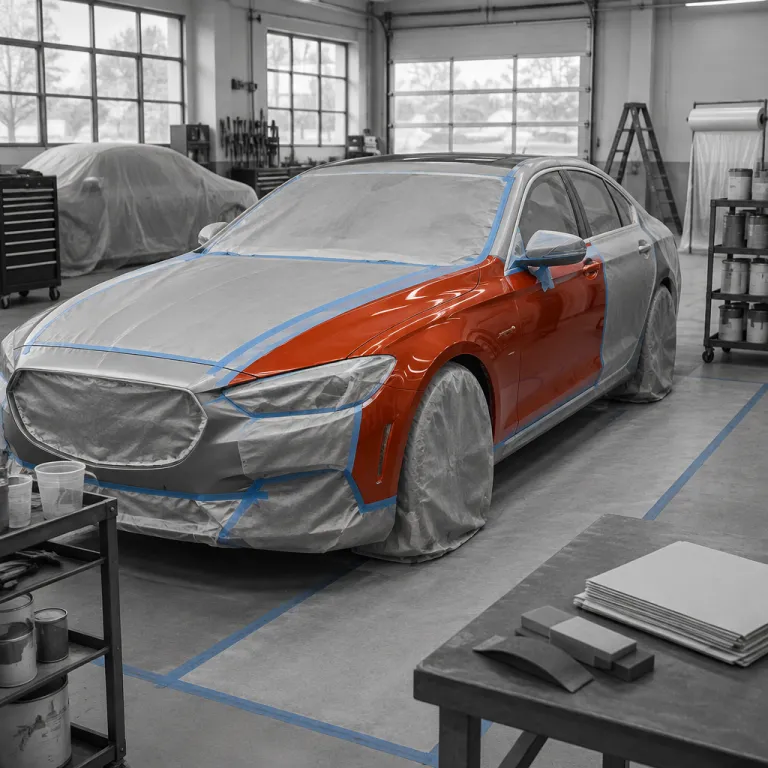
How long does it take to paint a car at luxury standards ?
For a luxury vehicle, how long does it take to paint a car properly usually ranges from three to ten working days. That range reflects not only the technical paint process but also the meticulous preparation, curing time, and quality control that high end car owners rightly expect. When a workshop respects each stage of the paint job, the result is a long lasting paint finish that preserves both aesthetics and resale value.
The total time will depend on the type of paint system, the extent of damage, and whether the auto body shop must perform structural repair before painting. A quick respray that ignores underlying rust or scratches dents may take fewer days, yet it will almost certainly age badly and require new paint repair sooner than expected. A serious luxury focused auto paint specialist will always explain why some stages take longer and how each step protects your investment in the car.
For a full exterior painting car project on a premium model, many expert workshops estimate five to seven days as a realistic baseline. That estimate assumes no hidden damage and a straightforward color match with the original car paint code from the manufacturer. When the work involves custom color, multi layer clear coat, or complex body lines, the answer to how long does it take to paint a car can easily extend beyond one week.
Key stages that define the real timeline
The first stage is always inspection, where the auto body specialist checks the vehicle for rust, previous repair, and structural issues. During this inspection, they assess the extent of damage, identify all scratches dents, and decide which panels need deeper paint repair or even replacement. This is also when they will give you an initial time estimate and explain what kind of paint job your car truly needs.
Preparation is the next critical step in the process and often the one that takes long for luxury cars. Technicians remove trim, mask delicate parts, sand the old paint finish, and treat any rust so that the new auto paint adheres perfectly and remains long lasting. On complex vehicles with sensors, cameras, and soft close doors, this prep work can take days because each component must be removed and refitted without damage.
Only after this preparation does the actual painting car phase begin, which includes primer, base color, and clear coat applications. Each layer requires controlled drying time, and rushing this part of the job will compromise the final finish and may cause defects such as orange peel or micro bubbling. When you ask how long does it take to paint a car at a true luxury standard, most of the answer lies in how patiently the workshop handles these invisible but essential stages.
How preparation, damage, and repair choices affect how long it takes
For luxury car owners, the question is rarely just how long does it take to paint a car, but how long it takes to repair everything properly before any new paint is applied. If the vehicle has previous poor quality paint repair, hidden rust, or filler, the auto body team must correct those issues first to avoid future cracking or peeling. That corrective work can easily add several days to the total time, yet it is the only way to secure a flawless and durable paint finish.
The extent of damage dictates whether the workshop performs spot repair, panel repainting, or a complete paint job over the whole car. Localized scratches dents on a single door may require only one or two days, while a hail damaged roof and bonnet can take longer because each dent must be individually corrected before painting. When the damage reaches structural components, the repair process becomes more complex and the answer to how long does it take to paint a car shifts toward the upper end of the time range.
Choice of materials also matters, especially the type of paint and clear coat system selected for the job. High solid clear coat products that deliver a deep gloss and long lasting protection often need more curing time than cheaper alternatives. If you want the car paint to match the original factory depth and clarity, you should accept that the work will take days rather than hours.
Why luxury detailing and accessories influence the schedule
High value vehicles often carry intricate trim, carbon fiber parts, and bespoke wheels that complicate the painting car process. Removing and refitting these elements without damage is delicate work, and it will inevitably take longer than on a standard auto with simple plastic bumpers. When the workshop also coordinates wheel refurbishment or brake caliper painting, the total time for the paint job naturally increases.
Many discerning car owners combine a repaint with a full detailing program, including wheel cleaning using specialist tools such as the Wheel Woolies wheel brushes described in this guide on flawless luxury rims care. Integrating these services during the same visit is efficient, but it adds work hours and may extend how long does it take to paint a car by one or two days. The benefit is that you collect a vehicle whose paint finish, wheels, and trim all align with the same high standard.
Finally, the workshop’s workload and staffing will influence how long does the project take from drop off to collection. A boutique auto body shop that focuses on a few cars at a time may deliver faster than a crowded general repair center, even though each individual job is more detailed. When you request an estimate, always ask how many vehicles are currently in the paint booth queue and how that affects the time to finish your own car.
Paint systems, color choices, and their impact on timing
Not all paint systems are equal, and the type of paint you choose has a direct effect on how long does it take to paint a car. Solid colors in a single stage system are usually faster to apply and cure, while multi layer pearl or metallic finishes demand more coats and more drying time. Luxury manufacturers often specify complex car paint formulas, so replicating those systems in an independent auto body shop requires patience and precision.
Color match is a critical factor for partial repair on doors, bumpers, or quarter panels. Even when the workshop uses the exact factory code, sun exposure and previous polishing can alter the existing paint finish, meaning the new auto paint must be blended into adjacent panels to avoid visible transitions. That blending process takes longer than a simple panel repaint, yet it is essential if you want the vehicle to look untouched after the job.
Custom colors, satin finishes, and special clear coat options such as matte or ceramic infused products add further complexity. These systems often require specific flash times between coats and longer final curing to achieve a stable, long lasting surface. When you ask how long does it take to paint a car in a bespoke shade, expect the answer to include extra days for testing and controlled drying.
Drying, curing, and when you can safely drive the car
Many car owners focus on how many hours the technicians spend actually painting car panels, yet the invisible curing period is just as important. Modern low VOC auto paint products may feel dry to the touch within hours, but the full chemical cure of the paint and clear coat can take days or even weeks. During this time, the finish remains vulnerable to scratches dents, harsh washing, and environmental contaminants.
Most high end workshops will allow you to drive the car home within one or two days after the final coat, provided you avoid aggressive washing and keep a safe distance from road debris. They will usually explain that while the paint job is safe for gentle use, the finish continues to harden and reach its long lasting potential over the following weeks. This is why some detailers recommend waiting before applying protective films or coatings on a fresh paint finish.
To protect visibility and safety during this period, many owners integrate glass care into their maintenance routine, using products such as a hydrophobic glass sealer described in this article on luxury car glass protection. Coordinating these treatments with the paint repair schedule ensures that both the bodywork and glazing receive appropriate care without compromising the curing process. When planned correctly, the total time from repair to fully protected vehicle remains reasonable while still respecting the needs of the new paint.
Costs, estimates, and how timing influences what you pay
When you request an estimate for a luxury paint job, the workshop must balance time, materials, and labor quality. A detailed quote will break down preparation work, repair of any damage, the painting car phase, and reassembly, giving you a clear view of where each euro goes. If a proposal seems unusually cheap or fast, it often means that some essential steps in the process are being skipped.
High quality auto paint systems, premium clear coat products, and advanced color match technology all increase the cost but also extend the life of the finish. You may pay more upfront, yet you reduce the likelihood of needing further paint repair due to premature fading, peeling, or rust emerging through thin coatings. For a luxury vehicle, this approach usually delivers better long term value than a quick, low cost job that takes days but fails to protect the car.
Labor time is the other major factor, especially in markets where skilled auto body technicians command high hourly rates. Complex body shapes, aluminum or carbon panels, and integrated sensors all require more careful work, which means the job will take longer and the final invoice will reflect that reality. When you ask how long does it take to paint a car and why it costs a certain amount, insist on a written breakdown that links each time block to a specific task.
Insurance, repair strategies, and managing expectations
In cases of accident damage, your insurer may influence both the repair strategy and the timeline. Some policies encourage panel repair rather than replacement to control what they pay, yet this can extend how long does the work take because straightening and filling panels is more time consuming than fitting new ones. For a high value vehicle, you should discuss with both the insurer and the auto body shop whether replacement might offer a better long lasting result.
When the extent of damage is limited to cosmetic scratches dents, a smart repair approach on small areas can reduce both time and cost. However, if the damage reaches edges, creases, or multiple panels, a full panel paint job may be more efficient and provide a better color match. The key is to align your expectations about how long does it take to paint a car with the method chosen, rather than forcing a fast solution that compromises quality.
For owners who rely on their vehicle daily, some workshops offer staged work, painting car panels in phases so you can still drive the car between visits. This strategy can spread the process over more calendar days while reducing the number of days you are without the car entirely. It is a useful option when you cannot spare the vehicle for a full week, yet you still want a premium paint finish.
Daily use, storage, and how your habits affect repainting frequency
How long does it take to paint a car is only part of the ownership equation, because your driving and storage habits determine how often you need paint repair. A luxury vehicle that spends most of its time in a climate controlled garage will usually keep its paint finish pristine for many years. By contrast, a car that lives outdoors and covers high annual mileage on busy roads will accumulate more damage from stone chips, bird droppings, and UV exposure.
Regular washing with proper techniques, gentle drying, and periodic decontamination help maintain the clear coat and delay the need for a new paint job. Neglecting these basics allows contaminants to etch into the surface, making future painting car work more complex because the auto body shop must remove deeper defects before applying fresh paint. In extreme cases, long term neglect can lead to rust, which significantly increases both the time and cost of any subsequent repair.
Parking choices also matter, especially for high end car owners in dense urban areas. Tight spaces, careless door openings, and frequent contact with shopping trolleys all create scratches dents that gradually degrade the appearance of the vehicle. Protecting the car from such minor yet cumulative damage can extend the interval between major paint jobs and reduce how long does each repair visit take.
Driving patterns, protective films, and long term planning
Owners who regularly drive the car on motorways or mountain roads face a higher risk of stone chips on the bonnet, bumper, and mirrors. Without protection, these impacts break the clear coat and expose the underlying paint, eventually leading to rust if left untreated. Addressing such damage early with localized paint repair is faster and cheaper than waiting until a full front end paint job becomes necessary.
Many luxury car owners now combine a fresh paint job with paint protection film on high impact areas, which can significantly extend the life of the finish. While installing film adds to the total time the vehicle spends in the workshop, it reduces the frequency of future painting car projects and helps maintain a consistent color match across panels. This strategy is particularly effective for convertibles and grand tourers that, as discussed in this analysis of open top luxury cars and depreciation, often see more varied usage patterns.
When planning ownership over several years, it is wise to consider not only how long does it take to paint a car once, but how your maintenance routine will influence the need for future work. A disciplined approach to washing, storage, and minor repair can mean that a single high quality paint job remains presentable for a decade or more. In that context, the extra days spent on a meticulous process at the beginning become a very small price in both time and money.
Choosing the right workshop and asking the right timing questions
Selecting a workshop for a luxury paint job is as much about trust as it is about technical skill. A reputable auto body specialist will explain in detail how long does each stage take, from disassembly and repair to painting car panels and final polishing. They should also welcome questions about materials, curing times, and how soon you can safely drive the car after the work.
When comparing quotes, focus on the clarity of the process description rather than just the number of days promised. A shop that openly states the job will take longer because they allow proper drying between coats is usually more reliable than one that claims to finish a full vehicle repaint in a single weekend. Ask specifically about the type of paint and clear coat they use, how they manage color match, and what warranty they offer on the paint finish.
Transparency about scheduling is another sign of professionalism, especially for high value vehicles. The best workshops limit how many cars they accept at once so that each paint job receives full attention, even if that means you must wait longer for an available slot. In return, you gain confidence that your car will not be rushed through the process just to clear space in the paint booth.
Practical questions every luxury owner should raise
Before approving any work, ask the workshop to outline the full process in writing, including preparation, repair of any damage, painting, and reassembly. Request a realistic estimate of how many days each phase will take and how unexpected findings, such as hidden rust, might extend the schedule. Clarify whether they will keep you updated if the job takes longer than planned and how they handle quality control before returning the vehicle.
It is also wise to ask how they protect the interior and mechanical components during the paint job, especially on complex luxury models. Proper masking, controlled booth conditions, and careful handling of electronics all contribute to a clean, professional finish and reduce the risk of additional repair. When a workshop answers these questions confidently and without hesitation, it usually indicates that they understand both the technical and emotional value of your car.
Finally, discuss aftercare instructions in detail, including when you can wash the car, apply wax, or schedule detailing. Clear guidance on these points helps you protect the new paint finish during its most vulnerable period and ensures that the long lasting qualities of the auto paint system are fully realized. In the end, understanding how long does it take to paint a car at this level is less about a single number and more about the quality of every decision made along the way.
Key figures and statistics about automotive painting timelines
- According to data from the Inter-Industry Conference on Auto Collision Repair, a typical collision related refinish operation on one to three panels averages two to three days in professional shops, which highlights how even partial paint repair requires significant preparation and curing time.
- Industry surveys from major refinish manufacturers such as PPG and BASF indicate that full vehicle resprays in professional facilities commonly range from five to ten working days, depending on the complexity of the color and the number of coats applied.
- Research by paint manufacturers shows that modern two component clear coat systems reach approximately 90 percent of their final hardness after about seven days at normal ambient temperatures, which explains why many workshops advise gentle use of the vehicle during the first week after a paint job.
- Studies on ultraviolet exposure conducted by automotive OEMs indicate that vehicles parked outdoors full time can experience up to twice the rate of clear coat degradation compared with garaged cars, underlining the importance of storage conditions in extending the life of a paint finish.
- Insurance industry data from large European markets suggests that high quality repainting and proper corrosion protection can reduce the likelihood of rust related structural repair by more than 30 percent over a ten year ownership period, reinforcing the value of investing in thorough preparation and materials.
FAQ about how long it takes to repaint a luxury car
How many days does a full luxury car repaint usually take ?
For a complete exterior repaint on a luxury vehicle, most specialist workshops quote between five and ten working days. That period includes disassembly, surface preparation, any necessary repair, multiple paint and clear coat layers, curing, and final polishing. Complex colors, custom finishes, or hidden damage can extend the schedule beyond this typical range.
Why do some shops claim they can repaint a car in one or two days ?
Very short timelines usually mean that certain stages of the process are being compressed or skipped, such as thorough sanding, rust treatment, or adequate curing between coats. While a quick job may look acceptable at first, it often leads to premature defects like peeling, loss of gloss, or visible color mismatch. For a high value luxury car, such shortcuts rarely provide a durable or financially sensible solution.
When can I safely wash my car after a new paint job ?
Most professionals recommend waiting at least ten to fourteen days before the first gentle hand wash using mild products. During this period, the paint and clear coat continue to cure and harden, even if they feel dry to the touch. High pressure washing, automatic car washes, and abrasive products should be avoided for several weeks to protect the fresh finish.
Does a color change take longer than repainting in the original color ?
Yes, a full color change almost always takes longer than repainting in the original shade. The workshop must paint not only the exterior panels but also door jambs, inner edges, and sometimes engine bay areas to avoid visible traces of the previous color. This extra work adds both labor hours and complexity to the project, extending the total time the vehicle spends in the shop.
How does existing damage influence the repainting timeline ?
Existing dents, scratches, rust, or previous poor repairs significantly affect how long the job takes. Technicians must correct these issues before applying new paint, which can involve panel straightening, filler work, rust removal, or even panel replacement. The more extensive the damage, the more days are required before the car is ready for the painting stage.