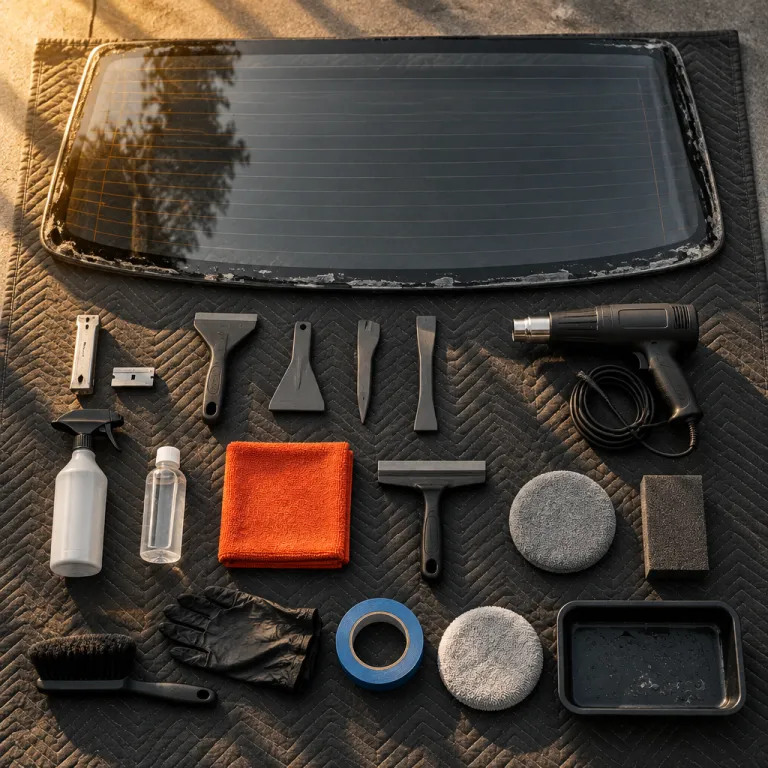
Why luxury car glass deserves a higher standard when you remove tint glue
Owners of luxury cars approach any work on tinted windows with justified caution. When you study how to remove window tint glue on a high value car, you quickly see that the risk to the glass, trim, and defroster lines is far greater than on a basic commuter. Every step in removing window adhesive must therefore protect the entire window surface, the surrounding leather, and the delicate electronics hidden behind the panels.
Factory tinted windows and high end aftermarket films use stronger adhesive, so the glue left after peeling the film can be stubborn and uneven. That glue residue behaves differently on laminated front glass than on tempered side window glass, which means your method to remove tint must adapt panel by panel. A careful member of any serious owners’ club will also think about how glass cleaning products, an ammonia based solution, or a steamer might interact with interior Alcantara, carbon fibre, or open pore wood.
On a prestige car, the goal is not only removing window film and tint glue, but doing so without a single scratch from a razor blade or plastic scraper. You will want to keep every window free from micro marring, because even faint marks in the glass catch the light next to flawless paintwork. That is why the process to remove adhesive and any glue left behind should be planned like a detailing treatment, not a quick DIY job.
Preparing your luxury car before tackling window tint glue
Preparation determines whether your attempt to remove tint glue feels controlled or chaotic. Before you start removing window film, park the car indoors, let the glass cool, and protect leather, Alcantara, and piano black plastics with clean microfibre towels. This simple step will stop soapy water, ammonia based cleaners, or adhesive remover overspray from staining the cabin.
Begin by cleaning each window with a high quality glass cleaner that is safe for tinted windows and luxury interior trims. This first round of glass cleaning removes dust that could otherwise get trapped under a razor blade or plastic scraper and leave circular residue marks. Many detailers also share that a light wash with soapy water around the window frame works well to prevent dirt from being dragged across the paint while you move tools and towels.
Choose your tools with the same care you give to a premium wax or sealant, such as when you select a dedicated carnauba product for a luxury car care ritual described in this guide on why P21S Carnauba Wax belongs in every luxury car care ritual. For the glass itself, prepare a new razor blade in a holder, a rounded edge plastic scraper, a handheld steamer, and several microfibre cloths reserved only for glass. You will also want a non staining adhesive remover that is explicitly safe for automotive glass, paint, and interior plastics, because harsh products can creep into seams and leave damage you only notice weeks later.
Safe techniques to remove window tint film before addressing glue
Removing the window tint film cleanly will dramatically reduce the amount of tint glue you must handle later. On side windows, a steamer works well because the warm moisture softens the adhesive without overheating the glass or stressing the defroster lines on the rear screen. Hold the steamer a few centimetres from the window, move it slowly, and gently lift a corner of the tint with a plastic scraper rather than a bare razor blade.
Once a corner of the tint is free, pull the film steadily while continuing to apply steam to the area where the adhesive is separating from the glass. This controlled motion helps prevent the film from tearing, which would otherwise leave many small pieces of window tint and more glue residue to remove. If you feel resistance, pause, apply more heat, and let the adhesive soften again instead of forcing the film and risking scratches on the glass.
The rear window of a luxury car demands special attention, because the defroster lines are printed directly on the glass and can be cut by a razor if you rush. Many professionals avoid any metal blade on this entire window and rely on a steamer, soapy water, and a soft plastic scraper to remove tint safely. For owners who want to preserve a pristine finish for resale value, similar to strategies discussed in this guide on how long premium paint protection film preserves a luxury car finish, patience during this stage is non negotiable.
How to remove window tint glue without scratching luxury glass
Once the film is gone, you finally face the real task, which is learning how to remove window tint glue safely from high grade automotive glass. Start by misting the glue left on the window with warm soapy water, then lay a microfibre cloth over the area for a few minutes to keep it wet. This softens the adhesive and makes every later pass with a razor blade or plastic scraper far less aggressive.
On side glass without defroster lines, a sharp razor blade held almost flat against the surface will shave softened tint glue away in smooth strokes. Always push the blade in one direction, wipe glue residue from the edge frequently, and reapply soapy water whenever the surface starts to dry. If you prefer a less risky approach, a high quality adhesive remover that is safe for automotive glass and paint also works well, provided you immediately wipe any drips before they reach leather or Alcantara.
For the rear window, avoid a bare razor blade and instead use a plastic scraper combined with a steamer or an ammonia based cleaner specifically labelled as safe for defroster lines. Spray the product onto a cloth rather than directly on the glass, then work in small sections to control where the liquid travels. After each section, wipe the entire window with fresh soapy water and finish with a dedicated glass cleaner to remove any film left by the adhesive remover.
Choosing products and tools that respect luxury interiors and trims
Product choice matters as much as technique when you remove tint from a prestige car. Many household cleaners contain strong ammonia that can dry leather, stain Alcantara, or haze delicate interior plastics if overspray reaches them. For this reason, luxury owners should favour automotive specific glass cleaning solutions and ammonia based adhesive removers that clearly state compatibility with interior materials.
When selecting tools, treat the glass like you treat a hand polished clear coat on a collector car. Always use a new razor blade for each window, because even a small nick in the edge can score the glass and leave permanent lines that no glass cleaner can hide. A high quality plastic scraper with rounded corners is essential for working near rubber seals, glossy trim, and the defroster lines on the rear window where a metal blade would be too risky.
Many owners like to share their experiences in online communities, where a thread starter might ask which adhesive remover works well on a specific marque or which steamer is safest around complex electronics. When you read replies on platforms such as Facebook, Twitter, or Reddit, remember that not every member has experience with luxury cars that use softer interior materials and more complex glass assemblies. Your best reference remains professional detailers who work daily on high end vehicles and understand how to remove window tint glue without compromising the long term value of the car.
Aftercare, inspection, and protecting long term value after tint removal
Once all glue residue is gone, a meticulous aftercare routine will protect both the glass and the car’s value. Rinse each window with clean soapy water, wipe dry with a dedicated glass towel, and then inspect the entire window under strong light from multiple angles. This careful inspection will reveal any faint streaks of tint glue, fine scratches from a razor, or marks left by an aggressive adhesive remover.
If you find light marks, a professional glass polishing service can often refine the surface before they become a permanent distraction in an otherwise flawless cabin. Owners who plan to sell or trade their car later should document the tint removal process with photos, invoices, and product details, because this transparency reassures future buyers that no shortcuts were taken. Such documentation aligns with broader strategies for securing exceptional value from a second hand luxury car, as explained in this guide on how to secure exceptional value from a second hand Genesis luxury car.
Going forward, adopt a gentle glass cleaning routine that uses pH balanced products and soft towels, especially if you choose to install new window tint. Regular maintenance will prevent mineral deposits and environmental residue from bonding to the glass, which makes any future project of removing window film and tint glue far easier. In the end, the way you treat your windows says as much about your standards as the way you care for paint, leather, and every other visible surface on your luxury car.
Key statistics on window tint, glass care, and luxury car ownership
- According to the International Window Film Association, professionally installed automotive window tint can block up to 99 % of ultraviolet radiation, which significantly reduces interior fading and helps maintain luxury cabin materials over time.
- Data from the Specialty Equipment Market Association indicates that appearance and protection related accessories, including window tint and glass coatings, represent one of the fastest growing segments in the premium automotive aftermarket, reflecting strong owner interest in preserving vehicle value.
- Consumer surveys from major detailing product manufacturers show that improper use of razor blades on automotive glass is a leading cause of avoidable scratch damage during DIY tint removal, underlining the importance of correct tools and techniques for luxury cars.
- Insurance and resale market analyses consistently find that well documented maintenance, including professional work on tinted windows and glass, can improve perceived vehicle condition scores, which supports stronger resale prices for high end models.
FAQ about removing window tint glue from luxury car glass
Will ammonia based cleaners damage my luxury car interior ?
Ammonia based cleaners can damage leather, Alcantara, and some plastics if overspray reaches them, so they must be used with extreme care. Always spray the product onto a cloth rather than directly onto the glass and protect surrounding surfaces with towels. For many luxury cars, a dedicated automotive adhesive remover that is labelled safe for interiors is a better choice.
Can I use a razor blade on every window in my car ?
A razor blade can be used carefully on side glass that has no defroster lines, but it should never touch the printed heating elements on the rear window. On that rear glass, a plastic scraper combined with a steamer or safe adhesive remover is the recommended method. Always hold the blade almost flat and use plenty of soapy water to reduce the risk of scratching.
Does a steamer work well for all types of window tint glue ?
A steamer works well on most modern window tint adhesives because heat and moisture soften the bond between the film and the glass. However, some very old or low quality tints may still leave significant glue residue that requires chemical adhesive remover afterwards. Always test a small area first and keep the steamer moving to avoid thermal stress on the glass.
How do I know if all glue residue has been removed ?
After cleaning with soapy water and glass cleaner, inspect the entire window under strong directional light from outside and inside the car. Any remaining glue residue will appear as dull patches, streaks, or areas where the cloth drags instead of gliding smoothly. If you feel resistance with a fingertip on clean glass, there is likely still some tint glue to remove.
Should I remove window tint glue myself or hire a professional ?
For many luxury car owners, hiring a professional detailer or tint specialist is the safest option, especially when defroster lines, complex curves, or rare interior materials are involved. A professional has the correct steamer, plastic scrapers, and adhesive removers, and knows how to protect the cabin while working. If you choose to do it yourself, work slowly, use the right tools, and prioritise preserving the glass and interior over saving time.
References
- International Window Film Association
- Specialty Equipment Market Association (SEMA)
- Major automotive detailing manufacturers’ technical guides
