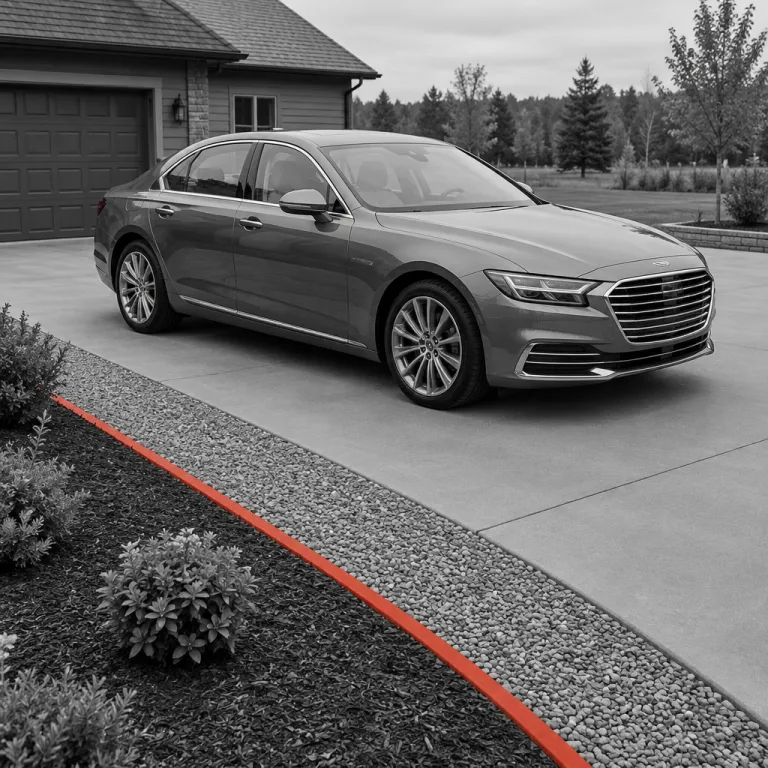
Why artillery fungus on car paint is a hidden threat for luxury vehicles
Artillery fungus on car paint is one of those obscure problems that quietly undermines a luxury vehicle’s appearance. When this shotgun fungus lands on clear coat surfaces, the tiny black specks harden into sticky dots that are notoriously difficult to remove without damaging the paint. Left unmanaged for a long time, this fungus can etch into the upper clear layers and compromise both aesthetics and resale value.
The organism behind artillery fungus on car bodywork is a wood-dwelling fungus that thrives in moist mulch and wood chips around driveways, garages, and house siding. Each spore mass behaves like miniature artillery and can shoot toward reflective surfaces such as cars, windows, and even the house, which is why owners often see the same stains on both the vehicle and the building. Because the fungus thrive in damp organic matter, luxury properties with elaborate landscaping and irrigated beds are especially exposed over time.
For a high-value vehicle, the risk is not only cosmetic but financial, since fungus left on the clear coat can force costly paint correction or even partial repainting. Many owners first notice artillery fungus on car doors or lower panels after a routine car wash, when the rest of the surfaces look pristine but the black specks remain. Understanding how this fungus behaves, where it originates, and why it is so difficult remove is the first step toward choosing effective solutions that respect the integrity of premium paint systems.
How artillery fungus bonds to paint and clear coat on luxury cars
Once artillery fungus on car panels has landed, the spores quickly dry into resilient, tar-like pellets that cling aggressively to paint. Each pellet contains organic pigments and natural adhesives that bond to the clear coat, which explains why simple water and shampoo rarely remove artillery spots completely. On darker cars, the contrast is subtle at first, but over time the accumulation of fungus car specks dulls reflections and disrupts the uniform coat that defines a luxury finish.
Because the pellets are so sticky, many owners are tempted to scrape them off, yet this mechanical removing process can easily scratch the upper paint clear layers. Luxury vehicles often use multi-stage paint systems with a relatively soft clear coat to enhance depth and gloss, which makes them especially vulnerable when you try removing fungus with improvised tools. A rushed attempt at removing artillery stains can therefore cause more harm than the original contamination, turning a minor car maintenance issue into a full paint correction project.
Professional detailers treat artillery fungus on car bodywork similarly to bonded industrial fallout, using lubricated clay bars, specialized solvents, and controlled pressure to remove each pellet safely. The same disciplined approach used when you safely remove paint from plastic trim, as explained in guides such as how to safely remove paint from plastic trim on a luxury car, should guide your strategy with fungus artillery as well. By respecting the structure of the clear coat and working patiently in small sections, you preserve the vehicle’s appearance while eliminating the fungus left on exposed surfaces.
Where artillery fungus comes from around high end homes and garages
Most cases of artillery fungus on car paint can be traced back to landscaping choices around the house and parking areas. The fungus thrive in moist organic mulch, especially wood chips that remain damp and shaded for a long time near driveways or garages. When conditions are right, the fungus forms tiny fruiting bodies that act like miniature artillery, launching spores toward bright surfaces such as vehicles and house siding.
Extension bulletins from universities such as Penn State and Cornell describe how these spores can travel several metres from mulch beds, which matches what many owners see on lower doors and bumpers. These sources report ranges on the order of 6 m, although exact distances vary with wind and site layout, so the figure should be treated as an approximate guideline rather than a precise limit. Luxury properties often feature extensive planting beds, decorative wood chips, and irrigated borders that surround the paths where cars are parked or detailed. These beautiful surfaces can unintentionally become launch platforms for shotgun fungus, especially on the north side of a house where sunlight is limited and moisture persists. Over time, repeated spore ejections can pepper multiple cars, windows, and even outdoor furniture with the same sticky black dots that are so difficult remove without professional techniques.
Owners who park close to mulched beds or wood structures are more likely to see artillery fungus on car doors, bumpers, and lower panels facing the garden. Relocating parking spots a few metres away from mulch, replacing wood chips with stone, or adjusting irrigation helps prevent new contamination and protects both the vehicle and the house exterior. For those who cherish a quiet, refined driving experience, addressing these environmental sources is as important as dealing with a pitted windshield, a topic explored in resources such as how a pitted windshield quietly destroys the luxury driving experience.
Safe methods to remove artillery fungus from luxury car paint
When you notice artillery fungus on car panels, the priority is to remove it without compromising the clear coat or underlying paint. Start by softening the sticky pellets with warm water and a pH-balanced shampoo during a thorough car wash, then gently test whether any spots release with minimal pressure. If they remain firmly attached, move to a lubricated clay bar or synthetic clay mitt, working slowly to avoid marring the surfaces.
For stubborn shotgun fungus deposits, professional detailers often use dedicated tar and adhesive removers that are safe for automotive paint clear layers. Typical solutions include citrus-based cleaners, kerosene derivatives, or products containing aliphatic hydrocarbons, all designed to break down organic binders. These products help with removing artillery stains by loosening the bond, making it less difficult remove the pellets mechanically, especially when combined with microfiber towels and controlled motions. On high-value cars, it is wise to test any chemical solutions on an inconspicuous area first, ensuring they do not haze the clear coat or alter the vehicle’s appearance.
After removing fungus from the paint, follow with a light polish to refine the coat and restore uniform gloss, then apply a high-quality sealant or ceramic coating that helps prevent future bonding. This protective step is similar in philosophy to the careful evaluation you would perform when reading a complex listing to protect future resale value, as discussed in guides such as how to read the listing and protect future resale value. By integrating artillery fungus management into your regular car maintenance routine, you ensure that both the paint and the clear coat remain clear, reflective, and aligned with the standards expected of a luxury vehicle.
Step-by-step safety checklist for removing artillery fungus
- Work in the shade on cool panels and rinse loose dirt with clean water before touching the paint.
- Wash the vehicle with a pH-balanced shampoo, then identify three to five test spots where pellets are most visible.
- Use a lubricated clay bar or synthetic clay on the test area first, checking frequently for marring or colour transfer.
- If pellets remain, apply a dedicated tar or adhesive remover according to the label, avoiding hot surfaces and open flames.
- Wipe gently with a soft microfiber towel, then rinse thoroughly with water to remove any chemical residue.
- Inspect the clear coat under strong lighting; if etching or haze appears, stop and consult a professional detailer.
- Finish by applying a quality wax, sealant, or ceramic coating to help prevent strong bonding of new spores.
Preventing artillery fungus on car surfaces through smarter property and wash routines
Preventing artillery fungus on car paint begins with the environment surrounding your parking and detailing areas. If your house landscaping relies heavily on organic mulch or wood chips near the driveway, consider replacing at least the first two or three metres with stone or gravel. This simple change reduces the habitat where the fungus thrive and helps prevent spores from reaching your vehicles and house siding.
Parking strategy also matters, because the miniature artillery structures tend to aim toward bright, reflective surfaces that face the mulch. Whenever possible, orient cars so that painted panels do not directly face contaminated beds, or increase the distance between the vehicle and those surfaces over time. Regular inspection of the house exterior for similar black specks can act as an early warning system, allowing you to address shotgun fungus before it becomes widespread on both the building and the car.
In parallel, refine your car wash and wash wax routine to include close inspection of lower panels, bumpers, and wheel arches where fungus car pellets often accumulate. A high-quality car wash process using generous water, lubricants, and soft media helps prevent micro-scratches while you monitor for new artillery fungus deposits. By treating fungus left on the paint as seriously as you treat stone chips or swirl marks, you elevate car maintenance to a level that truly protects the appearance and long-term value of your luxury vehicles.
Integrating artillery fungus control into a long term luxury car maintenance strategy
For a luxury owner, managing artillery fungus on car paint should sit alongside detailing, mechanical servicing, and storage as part of a holistic maintenance plan. Schedule seasonal inspections of both the vehicle and the house surroundings, paying attention to mulch beds, wood chips, and any damp areas where the fungus thrive. When you identify risk zones, coordinate with your landscaping team to adjust materials and irrigation, reducing the chance that spores will target your cars again.
Document every episode of shotgun fungus contamination, including the time of year, weather patterns, and which surfaces were affected, because these records help refine your prevention strategy. Over a long time horizon, such notes improve your ability to predict when spores are most active and which car parking positions are safest, which in turn protects both the clear coat and the underlying paint clear layers. This structured approach to removing fungus and preventing recurrence aligns with the same disciplined mindset used to track service history, tyre wear, and detailing intervals on high-value vehicles.
Finally, ensure that any professional detailer or storage facility you use understands the specific challenges of artillery fungus on car finishes and follows a transparent privacy policy when handling your data and vehicle images. Ask about their preferred solutions for removing artillery stains, how they protect the coat during treatment, and whether their processes helps prevent future bonding on sensitive surfaces. By embedding these questions into your regular car maintenance conversations, you transform a niche biological issue into a well-managed risk that never compromises the appearance or value of your luxury cars.
Key statistics on artillery fungus and exterior surface contamination
- Extension publications from institutions including Penn State and Cornell indicate that artillery fungus spores can travel several metres from mulch beds, often cited at around 6 m under favourable conditions, which explains why cars parked near landscaped areas frequently show contamination on lower doors and bumpers.
- Studies on wood-based landscaping materials report that rubber mulch and stone ground covers tend to show lower levels of artillery fungus activity compared with traditional wood chips, making them a strategic choice for driveways and parking zones.
- Professional detailing training materials note that removing bonded contaminants such as tar, tree sap, and artillery fungus can consume a substantial portion of exterior correction time, reflecting how labour intensive these tiny specks can be.
- Paint system testing by major automotive manufacturers shows that repeated aggressive mechanical cleaning of clear coat surfaces can noticeably reduce gloss over several cycles, underscoring the need for gentle, chemistry-assisted methods when removing fungus.
- Home maintenance data from exterior cleaning companies suggest that properties with north-facing, shaded mulch beds report artillery fungus on both house siding and vehicles more frequently than comparable homes using stone or gravel near parking areas.
FAQ about artillery fungus on luxury car paint
How can I tell if the black spots on my car are artillery fungus ?
Artillery fungus on car paint usually appears as tiny, perfectly round black or dark brown specks that feel slightly raised and very sticky to the touch. They often cluster on lower panels facing mulch or wood chips and do not come off during a normal car wash. If gentle fingernail pressure does not dislodge them and they resemble tar dots, they are likely shotgun fungus pellets.
Is it safe to scrape artillery fungus off my clear coat with a blade ?
Using a blade or hard scraper on luxury car paint is risky, because it can cut into the clear coat and leave permanent marks. The pellets are difficult remove mechanically, so professionals rely on lubricated clay, microfiber, and dedicated chemicals to soften and lift them. Reserve any sharp tools for glass only, and even then proceed carefully to avoid scratching sensitive surfaces.
Can regular waxing help prevent artillery fungus from sticking to my car ?
A quality wash wax routine or ceramic coating creates a sacrificial layer on top of the clear coat that helps prevent strong bonding of contaminants, including artillery fungus. While it will not stop spores from landing, it can make removing fungus easier and reduce the risk of etching into the paint. Reapply protection several times a year, especially if your vehicle is parked near mulch or wood chips for a long time.
Should I change my landscaping to reduce artillery fungus on car panels ?
Yes, adjusting landscaping around driveways and garages is one of the most effective solutions to reduce artillery fungus on car surfaces. Replacing organic mulch with stone or rubber alternatives near parking areas, improving drainage, and increasing sunlight exposure all reduce environments where the fungus thrive. These changes protect not only your vehicles but also your house siding and windows from recurring contamination.
When should I call a professional detailer for artillery fungus removal ?
If a careful wash and gentle clay treatment do not remove artillery fungus, or if your vehicle has delicate or custom paint, involve a professional detailer. They have specialized products and techniques for removing artillery safely while preserving the coat and overall appearance. Professional help is especially valuable when the fungus left on the paint has been there for a long time or covers large areas of the vehicle.