Why luxury car plastics demand a different paint stripping strategy
On a luxury car, every painted plastic detail signals craftsmanship and intent. When you need a paint stripper for plastic components such as bumper inserts or mirror caps, the goal is to remove unwanted paint without dulling the surface or weakening the flexible plastic substrate. Choosing the right paint remover and the right tool becomes a preservation exercise, not a simple paint removal job.
High grade exterior plastic on premium models often combines resin blends, acrylic enamel coatings, and soft touch finishes that react badly to aggressive stripper formulas. A generic product that can strip paint from metal may swell plastic, leach plasticizers, or leave a cloudy halo that no cleaner can fully correct later. That is why owners should treat any paint stripper for plastic trim as a precision tool rather than just another garage chemical.
Luxury interiors add another layer of complexity, because painted plastic switchgear, small buttons, and acrylic inserts sit close to leather, Alcantara, and wood veneers. A careless attempt to strip paint or remove glue residue with the wrong remover plastic solution can stain adjacent materials in seconds. Before you even think about how to strip paint from a panel, you must map every nearby surface and protect it with tape, film, and absorbent green stuff pads to catch any run off.
Selecting a safe paint stripper for plastic trim and interior details
For most luxury applications, a water based paint stripper for plastic offers the best balance between effectiveness and control. These formulations soften paint, acrylic paint, and even some acrylic enamel layers gradually, giving you time to remove softened material with hand tools before the plastic underneath is affected. When you evaluate any product, look beyond the headline claim of fast paint removal and study how it behaves on flexible plastic in controlled tests.
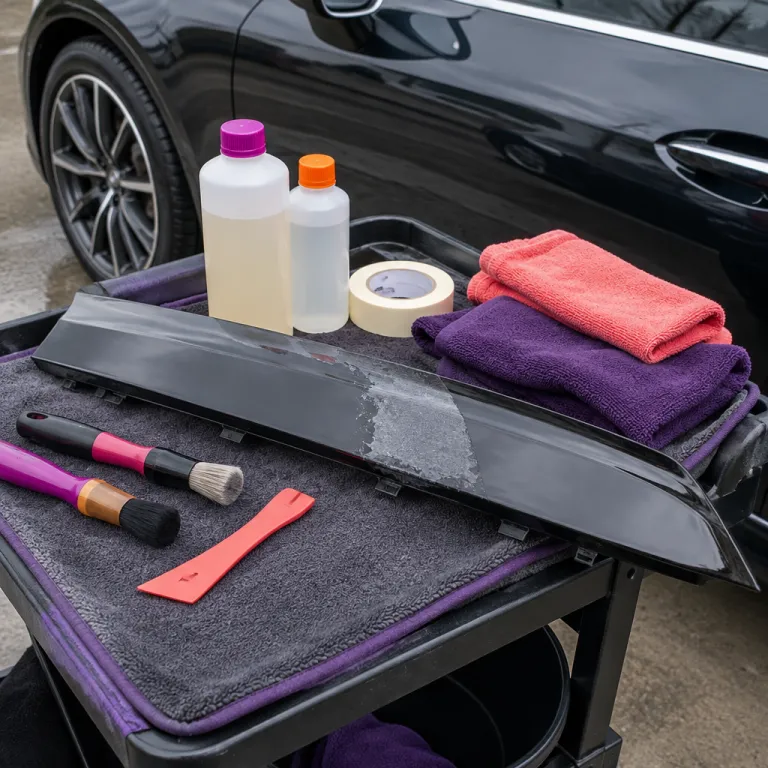
Start by testing the stripper on a hidden area of the same plastic, ideally a small section behind a trim edge or under an auto parts cover. Apply a thin strip of the product, wait the recommended nov dwell time, then gently lift the softened paint with a plastic putty knife rather than a metal tool. If the surface retains its original sheen, and the paint plastic interface releases cleanly without gouging, you have a viable paint remover candidate for visible areas.
Owners who commission bespoke conversions, such as a shooting brake kit for a Porsche 718 Cayman, often face mixed materials on a single panel. In these cases, a carefully chosen paint stripper for plastic must coexist with adhesives, resin fillers, and green stuff bodywork compounds without degrading them. When you strip paint around bonded joints, pair the stripper with a compatible adhesive remover and a neutral cleaner so that glue lines remain intact and water rinsing does not introduce staining.
Working around adhesives, fillers, and complex custom bodywork
Coachbuilt luxury projects frequently combine plastic, resin, and metal in intricate assemblies that complicate any paint removal plan. A bumper extension might use structural adhesive, cosmetic putty, and flexible plastic inserts, all coated in the same paint system and sometimes topped with spray paint for local repairs. When you introduce a paint stripper for plastic into this environment, you must predict how every layer, from glue to topcoat, will respond.
Begin by identifying where adhesive and putty sit under the surface, using build photos or invoices from your coachbuilder if possible. If you know which auto parts were bonded with structural adhesive and which areas rely on resin based green stuff fillers, you can mask those zones before you strip paint from adjacent plastic. A targeted adhesive remover can then be used only where you actually want to remove glue, rather than letting the main stripper creep into critical joints.
Owners of one off grand tourers or custom wide body cars often inherit previous repairs that involved oven cleaner, brake fluid, or harsh solvent stuff used as improvised remover paint solutions. These chemicals may have already stressed the plastic, so any new paint stripper for plastic must be chosen with extra caution. When in doubt, consult a specialist familiar with coachbuilt projects, such as workshops that build complete bodies, because they understand how different products, tools, and cleaners interact over time.
Comparing chemical options: what to use and what to avoid
Not every chemical marketed as a paint remover is appropriate for high value plastic trim on a luxury vehicle. Traditional aircraft paint strippers and some older klean strip style formulations were designed for bare metal and can aggressively attack plastic, resin, and acrylic surfaces. Even if such a product promises to strip paint in minutes, the long term price you pay in surface distortion or micro cracking is rarely acceptable on a premium car.
Household oven cleaner and decanted brake fluid are sometimes suggested online as cheap ways to remove paint from plastic, but both approaches carry serious risks. Brake fluid can soften certain plastics and rubber seals, while oven cleaner may stain or etch acrylic paint and acrylic enamel in unpredictable patterns that no simple cleaner can reverse. For a luxury car owner, the safer path is a dedicated water based paint stripper for plastic that lists compatibility with flexible plastic and automotive coatings explicitly.
When you compare products, look at more than the headline performance and consider how easily they rinse with water and how much residue they leave behind. A modern remover plastic formula that neutralizes with a damp cloth and a mild cleaner will integrate better into a detailing workflow than a heavy solvent that requires aggressive scrubbing. The right balance allows you to strip paint efficiently while preserving the refined textures and gloss levels that define a high end cabin or exterior.
Tools, techniques, and workflow for controlled paint removal
Technique matters as much as chemistry when you use a paint stripper for plastic on a luxury car. Always treat the stripper as a precision tool, applying it with a small brush or syringe rather than flooding the area, so you can control where the product sits and how it interacts with nearby materials. This approach is especially important when you strip paint near chrome, rubber seals, or delicate acrylic inserts.
Equip yourself with a dedicated set of tools reserved for paint removal on plastic, including plastic scrapers, a flexible putty knife, and soft detailing brushes. Metal tools can gouge flexible plastic or catch on resin edges, so they belong on metal panels, not on painted plastic trim or interior components. Keep separate cloths for wiping softened paint, for applying adhesive remover to glue residues, and for final cleaner passes, so you do not drag dissolved paint into untouched areas.
Between each application cycle, rinse or neutralize the area with minimal water, using damp microfiber rather than direct spray, to avoid forcing stripper into seams. A measured workflow like this aligns well with other subscription based care strategies you may already use for your car, such as curated maintenance plans or digital feature packages. When paint removal becomes part of a broader, methodical detailing routine, the risk of accidental damage to plastic, resin, or acrylic surfaces drops significantly.
Cost, risk management, and when to involve a specialist
From a financial perspective, the price of a high quality paint stripper for plastic is negligible compared with the cost of replacing rare trim on a luxury model. A single interior plastic panel with integrated acrylic paint details can cost several hundred euros, while a full set of exterior plastic inserts or auto parts for a limited edition car may run into the thousands. Saving a few euros by using generic stuff or improvised remover paint solutions rarely makes sense when the downside is permanent damage.
Risk management starts with honest assessment of your own skills and the complexity of the paint removal task in front of you. If you need to strip paint from a simple, removable plastic cover, a careful owner with the right product, tools, and cleaner can often handle the job at home. When the work involves integrated electronics, bonded resin structures, or rare coachbuilt components, commissioning a specialist detailer or body shop is usually the wiser investment.
Professional studios that focus on luxury cars maintain controlled processes for using paint remover, adhesive remover, and related chemicals on flexible plastic and acrylic surfaces. They document which product was used where, how long it remained on the surface, and how it was neutralized, so future paint plastic work can proceed safely. For owners who value long term traceability and consistent results, partnering with such experts turns paint stripping from a one off repair into part of a documented care history that supports resale value.
Key figures and market statistics for paint stripping on plastics
- According to a report from Grand View Research, the global paint and coatings removal market exceeded 1 billion euros in annual revenue recently, with plastic safe and water based products representing one of the fastest growing segments.
- Industry surveys from professional detailing associations indicate that more than 60 percent of high end detailers now prefer water based paint stripper for plastic applications, up from less than 30 percent a decade earlier, reflecting a clear shift away from harsh solvent systems.
- Automotive warranty data published by major manufacturers shows that trim replacement due to chemical damage, including misuse of paint remover and cleaner products, can account for several hundred euros per incident, often far exceeding the original cost of the chemicals involved.
- Environmental agencies in Europe report that regulations have reduced the allowable volatile organic compound content in many stripper formulations by double digit percentages, which has accelerated the development of safer remover plastic technologies for both professional and private use.
FAQ about using paint stripper for plastic on luxury cars
Can I use the same paint remover on plastic and metal panels ?
Most heavy duty strippers designed for metal or aircraft paint are too aggressive for plastic, resin, or acrylic surfaces on luxury cars. Always choose a paint stripper for plastic that explicitly lists compatibility with flexible plastic and automotive coatings, and keep separate products for metal panels.
Is brake fluid a safe way to strip paint from plastic trim ?
Brake fluid can soften or deform certain plastics and rubber components, and it offers very poor control compared with a dedicated water based paint stripper for plastic. Using it as an improvised remover paint solution on luxury trim is a high risk approach that can lead to expensive replacement parts.
How do I avoid damaging adhesives and fillers under the paint ?
Map where adhesive, putty, and resin fillers sit beneath the surface before you start, using build documentation if available. Mask those areas carefully, use a targeted adhesive remover only where glue must be removed, and apply the main paint remover in controlled, small sections with plastic tools.
What tools should I use to strip paint from interior plastics ?
Use non marring tools such as plastic scrapers, a flexible plastic putty knife, and soft detailing brushes, combined with a mild cleaner and minimal water for neutralization. Avoid metal tools that can gouge plastic or acrylic paint, and work slowly so the paint stripper for plastic has time to act without overexposure.
When should I call a professional instead of doing it myself ?
If the painted plastic part is rare, integrated with electronics, or part of a coachbuilt body, the financial risk of a mistake is high. In such cases, a specialist detailer or body shop with experience in luxury auto parts and controlled paint removal processes is usually the safest choice.