Why luxury car owners must master metal polish use
Every luxury car owner eventually asks how to use metal polish without risking damage. When you work on high value trim in stainless steel, aluminium or plated brass and copper, you must treat every metal surface as if it were a piece of jewellery, because careless polishing can turn light scratches into deep scars that ruin the finish. A disciplined routine that respects grit selection, pressure control and product choice will protect the original shine and preserve resale value.
Start by assessing each piece of metal and its existing finish before you even reach for any polish or abrasive pad. On a Bentley grille or a Mercedes AMG exhaust tip, you should map where marks previous owners left are only in the clear coat and where a scratch has cut into bare stainless steel or softer stainless alloys, since that difference will dictate whether you use only a gentle metal polishing cream or a staged process with ultra fine sandpaper. These early diagnostic steps will save you hours of rework and will prevent you from thinning delicate chrome plating or satin finishes that the manufacturer engineered very precisely.
Luxury detailing professionals always clean metal thoroughly before any polishing, because trapped dust acts like rogue grit and creates fresh scratches. You should first wash the surface with a pH neutral shampoo, rinse, then dry with a soft wool blend or high quality microfiber so that the surface is completely free from road film before you start to refine stainless trim or other brightwork. If you don’t remove contamination, your chosen metal polish will grind dirt into the finish, and the black residue you see on the towel will be a mix of removed oxidation and new abrasion damage.
Preparing stainless steel and plated trim the right way
On a luxury car, stainless steel exhausts, window surrounds and door sills demand a different polishing approach than plated badges or delicate brass and copper inlays. True stainless steel can tolerate more assertive techniques and slightly lower grit sandpaper, while thin chrome or nickel plating will fail quickly if you use aggressive steel wool or the wrong compound. Your goal is always to respect the original finishing texture, whether it is mirror bright, brushed or satin.
Begin with a dedicated cleaner for stainless steel and plated metal, then rinse and dry until you have perfectly clean metal with no water spots. Only when the surface is clean should you choose a polish that matches the hardness of the substrate, because softer stainless trim around windows will respond best to a fine finishing product, while harder exhaust tips may need a two stage routine to erase scratches previous owners left from automatic car washes. For badges with thin plating, use a very mild formula and work with minimal pressure, letting the chemistry do the work instead of friction.
Many owners like to integrate metal care into a broader detailing ritual that already includes premium waxes. When you have restored the shine on stainless steel and chrome, applying a high grade carnauba wax, as explained in this guide on why P21S carnauba wax belongs in every luxury car care ritual, will help seal the finish and slow down future oxidation on exposed metal. This protective layer means that the next time you think about refreshing the polish on your trim, you will only need a light maintenance pass rather than a full scratch removal process with multiple stages of refinement.
Step by step: how to polish metal on a luxury car
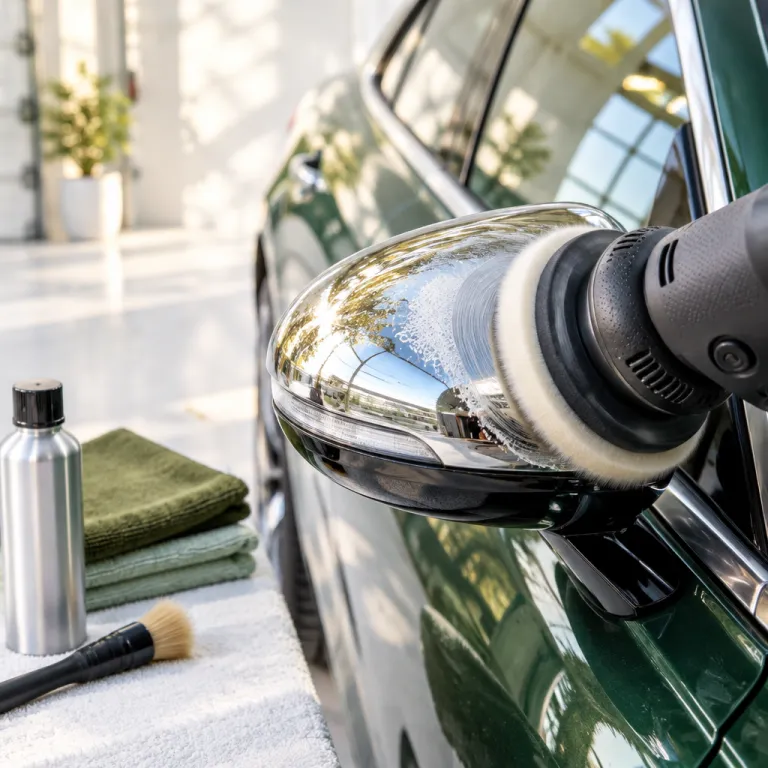
A precise step by step routine for using metal polish will keep your Rolls Royce, Ferrari or Porsche trim looking factory fresh. First, tape off surrounding paint and rubber so that any residue cannot stain sensitive materials, then choose whether you will work by hand or with a low speed drill and polishing cone depending on the complexity of the surface. Hand work offers more control on intricate badges, while a drill with a foam attachment can save time on long stainless steel exhaust pipes.
Apply a small amount of polish to a clean microfiber or soft wool applicator and work the product into the metal using straight lines that follow the original finishing direction. On brushed stainless steel door sills, always work in the same direction as the factory grain, because circular motions can create visible halos that catch the light and exaggerate every scratch. For mirror chrome or plated brass and copper details, you can use gentle circular motions, but you must keep checking the surface so that you don’t overheat the plating or thin the finish.
As you polish, you will see the product turn darker and form a black residue that indicates oxidation and microscopic metal particles are being removed. Wipe this residue away frequently with a separate clean towel, then inspect under strong lighting to judge whether deeper scratches need further correction or a step down to finer grit sandpaper. Once you are satisfied with the shine, buff the area lightly by hand to refine the finish, then protect the result with a hydrophobic sealant on nearby glass as described in this article about why a hydrophobic glass sealer belongs in every luxury car care routine, which helps keep contaminants from migrating back onto freshly polished trim.
Managing scratches, grit and the limits of scratch removal
Luxury car owners often underestimate how quickly the wrong grit can turn minor scratches into permanent scars on metal. When you plan a scratch removal strategy, always start with the least aggressive option and only step down to coarser sandpaper if the defect is still visible after several careful passes. This conservative approach respects the limited thickness of chrome plating and the delicate nature of softer stainless alloys used on some European marques.
For light scratches on stainless steel exhaust tips or door sills, a quality metal polish worked by hand is usually enough to level the surface without visible loss of material. If marks previous owners caused are deeper, you may need a structured sequence that begins with very fine grit sandpaper, then moves to a dedicated compound, and finally to a finishing polish to restore full shine. Always keep the surface lubricated and clean metal dust away between stages, because stray particles of steel or aluminium can act like uncontrolled grit and create new scratches.
Never use coarse steel wool on exterior brightwork, because even fine grades can leave their own scratch pattern that is difficult to erase from polished stainless steel or plated brass and copper. If you must use steel wool inside exhaust tips to remove heavy carbon, confine the work to the inner tube and follow immediately with a controlled refinement step on the visible lip using a softer pad and a more delicate formula. When in doubt about whether a scratch is through the plating, consult a specialist or refer to a detailed inspection guide such as this resource on how to read a pre purchase inspection on a six figure car, which explains how professionals evaluate finish thickness and prior refinishing work.
Hand polishing versus machine work on high value trim
Choosing between hand polishing and machine work is central to any serious plan for caring for bright metal on a luxury vehicle. Hand techniques give you unmatched control on complex shapes, sharp edges and mixed materials, which is why many concours level detailers still prefer to finish by hand every exposed piece of stainless steel or plated brass and copper. Machines, however, can be invaluable when you need consistent pressure and speed on long, uniform surfaces such as exhaust pipes or large aluminium grilles.
When you use a speed drill with a cone or wheel for polishing, keep the rotation slow and steady, and let the tool glide rather than dig into the surface. Excessive pressure or speed will generate heat that can distort thin plating, soften adhesives behind emblems, or even cause bluing on stainless steel if the temperature spikes too quickly. Always keep the pad moving, refresh the polish frequently, and stop often to wipe away black residue so you can inspect the evolving finish.
For ultra high end marques, a hybrid approach usually works best, where you start with machine work on robust areas and then refine the last few passes by hand. This method allows you to correct scratches previous owners left while still preserving crisp edges and factory lines that define the car’s character. Whether you choose hand or machine, the constant rule is to work on perfectly clean metal, use the mildest effective product, and respect the original design intent of every visible surface.
Maintaining the shine and sharing your results responsibly
Once you have invested time in learning how to use metal polish correctly, ongoing maintenance becomes a matter of light, regular care rather than heavy correction. After each wash, quickly inspect stainless steel trim, exhaust tips and plated badges for new water spots or faint scratches, then address them with a gentle pass before they evolve into more stubborn defects. This habit keeps the finish stable and reduces how often you need deeper polishing or sandpaper stages.
Protective products extend the life of your work, so apply a sealant or wax over clean metal surfaces to slow down oxidation and contamination. On stainless steel and softer stainless alloys, a thin layer of protection will also make future scratch removal easier, because dirt will sit on the coating rather than bonding directly to the finish underneath. For plated brass and copper accents, always choose products that are explicitly safe for plating, since harsh chemicals can undercut the bond between the plating and the base metal.
Many owners like to share before and after images of their polishing projects on social platforms such as Facebook, Twitter, LinkedIn or combined feeds that aggregate facebook twitter and twitter linkedin content. When you post, explain which products you used, how you controlled grit and why you avoided aggressive steel wool on visible trim, so that other enthusiasts don’t repeat common mistakes. Responsible sharing turns your personal experience with stainless care into practical tips for a wider community of luxury car owners who value both aesthetics and long term preservation.
Key figures on luxury car metal care
- According to market analyses from Grand View Research, the global automotive detailing products market exceeded 10 billion USD in value, with metal polish and related finishing products representing a significant share for premium and luxury segments (see Grand View Research, “Automotive Aftermarket Appearance Chemicals Market Size Report,” 2022).
- Surveys from professional detailing associations indicate that regular polishing and protection can extend the cosmetic life of exterior stainless steel and chrome trim by more than 30 percent compared with vehicles that only receive basic washing, based on multi year fleet observations.
- Independent tests published by specialist detailing laboratories have shown that using appropriate grit sandpaper and staged polishing can reduce visible scratches on stainless steel exhaust tips by up to 80 percent while removing less than a fraction of a millimetre of material when measured with paint and coating thickness gauges.
- Resale data from high end auction houses such as RM Sotheby’s show that vehicles with documented, careful metal finishing and paint correction often achieve price premiums of 5 to 10 percent over similar models with visible oxidation or scratches on brightwork (see RM Sotheby’s annual market review reports for recent auction seasons).
FAQ about using metal polish on luxury cars
How often should I use metal polish on my luxury car trim ?
For daily driven luxury cars, a light polish on stainless steel exhaust tips and exterior trim every three to six months is usually sufficient. Garage kept or low mileage vehicles may only need a full session once a year, with quick spot treatments after washes. The key is to intervene early on minor scratches and oxidation so that you avoid repeated heavy correction.
Can I use household steel wool on chrome or stainless steel parts ?
Household steel wool is generally too aggressive for visible chrome plating and polished stainless steel on luxury cars. Even fine grades can leave their own scratches that require further removal and may thin delicate plating. Reserve steel wool for the inner sections of exhaust tips if necessary, and always follow with a dedicated finishing polish on the visible areas.
What is the safest way to remove deep scratches from metal trim ?
The safest method is to start with the least aggressive metal polish and gradually step up only if the scratch remains. For deeper defects, a controlled sequence using very fine grit sandpaper, followed by compound and then a finishing product, allows you to level the surface while removing minimal material. If you suspect the scratch has penetrated through chrome plating, consult a specialist before continuing, because further work may expose the base metal.
Should I polish metal by hand or use a machine on my car ?
Hand polishing offers maximum control and is ideal for intricate badges, sharp edges and mixed materials on high value vehicles. A machine such as a low speed drill with a foam cone can be efficient on long, uniform stainless steel exhausts, provided you keep speed and pressure low. Many professionals combine both methods, using machines for initial correction and finishing by hand to refine the final shine.
How do I avoid black residue staining paint or rubber around trim ?
Always mask adjacent paint, rubber and plastic with quality detailing tape before you start any metal polishing work. Apply small amounts of product, wipe away black residue frequently with separate towels, and never let the polish dry on the surface. This routine keeps contamination off sensitive materials and leaves only a clean, bright finish where you intended to work.