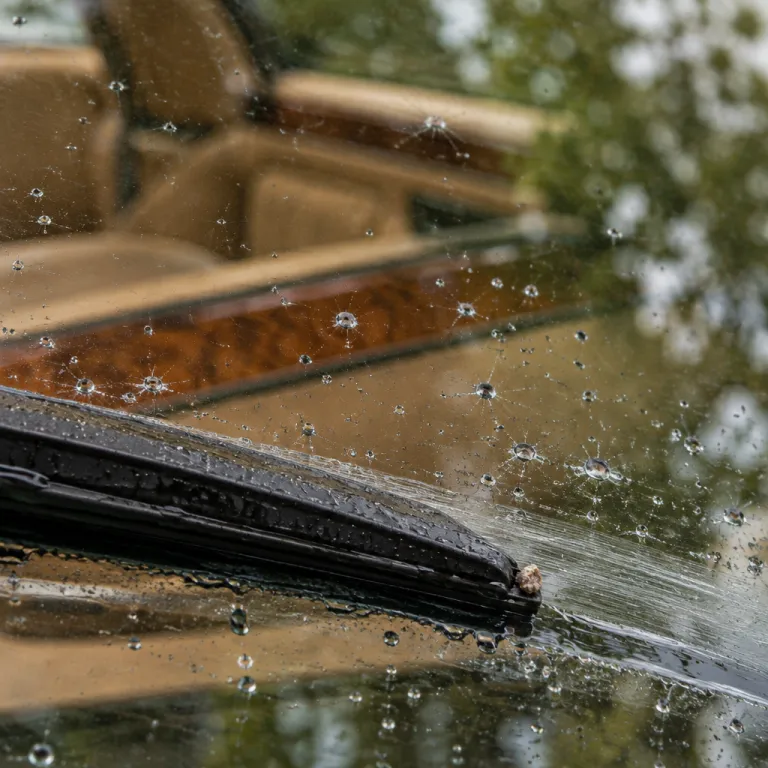
Why a pitted windshield is the silent enemy of luxury driving
A pitted windshield turns a refined cabin into a tiring place. When thousands of micro impacts scatter light across the glass, your eyes work harder and your reaction time as a driver subtly declines. On a night drive in a Porsche or a Lamborghini Gallardo, that fatigue arrives sooner and feels sharper.
Owners buy luxury cars for clarity, precision and calm, yet a heavily pitted windshield creates halos around headlights and a shimmering veil in your forward view. Under low sun or LED street lighting, each pit behaves like a tiny prism that amplifies glare and reduces contrast on the road surface. Over time, drivers buy into the myth that this is normal aging of glass, when in reality it is preventable damage that erodes both safety and perceived value.
On enthusiast forums where every senior member is obsessive about detail, you often see a post from an owner whose once perfect glass now looks sandblasted. The replies usually include close up photos, where each angle reveals dense pitting across the central driver zone. That is the moment when many owners finally accept that a pitted windshield is not just cosmetic; it is a structural and optical problem that demands a plan.
How pitting forms on luxury windshield glass in real traffic
Windshield pitting is the cumulative result of sand, salt and debris striking the glass at motorway speeds. On a low slung Gallardo or similar supercar, the shallow rake of the windshield exposes more surface area to high energy impacts. Over tens of thousands of kilometres, the outer layer of glass slowly erodes, turning a pristine windshield into a pitted windshield that sparkles under workshop lighting.
Luxury cars often travel on freshly resurfaced roads leading to private estates or coastal routes, where loose aggregate is common and performance tyres throw up more debris. Each impact is microscopic, but the combined effect is visible as a grey haze when you view the glass from the side. Owners who participate in exclusive clubs or marque forums frequently share before and after images to illustrate how quickly a clear windshield can degrade.
In those discussions, a long term Porsche owner might explain how their glass went from flawless to heavily pitted after repeated winter drives behind trucks. Another experienced member might reply that their own pitted windshield only became obvious when a detailer shone a strong inspection light across the surface. When you read these accounts carefully, you often see a note that the car had never been tracked, confirming that normal road use alone can create severe pitting.
Owners who care about long term clarity often invest in specialist coatings for trim and wheels, and the same mindset should apply to glass. A detailed guide to why a dedicated coating such as the one described in this luxury garage protection article helps illustrate how hydrophobic layers can complement a pristine windshield. While such coatings cannot reverse a pitted windshield, they can reduce wiper friction and keep contaminants from bonding, which slows the visual impact of existing pits.
When to repair or replace a pitted windshield on a high value car
The decision to repair or replace a pitted windshield on a luxury car should be based on optical clarity, not only on crack size. If you notice that oncoming headlights bloom into large stars or that road markings lose sharp edges at night, your glass has reached the point where replacement protects both safety and resale. Many owners underestimate how much a severely pitted windshield can lower a buyer’s confidence during a pre purchase inspection.
On a modern Porsche or a limited production hypercar, the windshield often integrates cameras and sensors for driver assistance systems. Once pitting interferes with those sensors, calibration becomes unreliable and even a small stone chip repair may not restore full performance. At that stage, serious collectors and careful drivers buy a new OEM windshield rather than risk compromised systems that could affect insurance or warranty claims.
Guidance from organisations such as the UK’s Thatcham Research and major OEM service manuals indicates that any windshield replacement on a vehicle with forward facing cameras should be followed by ADAS calibration, and many brands now specify recalibration whenever damage lies in the swept area of the wipers. In practice, if pitting or chips sit directly in front of a camera or lidar unit, you should assume that both glass replacement and a documented calibration will be required.
Forum threads from owners with years of experience often contain detailed cost breakdowns for glass replacement. A typical contributor might write that their dealer quote originally seemed excessive until they compared it with the impact on resale value. When you read those posts in full, you usually see that buyers of rare cars penalise any sign of neglected glass more harshly than a minor paint defect.
For owners planning to keep a car long term, pairing a new windshield with premium paint protection film (PPF) on vulnerable panels is a coherent strategy. A technical overview such as this guide on how long premium PPF preserves a luxury finish shows why glass and paint protection should be considered together. When owners buy both a fresh windshield and quality PPF, they create a consistent visual standard that supports future valuations.
Advanced protection strategies to slow windshield pitting on luxury cars
Once you have addressed an existing pitted windshield, the next priority is to slow future pitting through disciplined protection. The first layer is behavioural: maintaining greater following distances behind trucks and avoiding freshly gritted lanes dramatically reduces high velocity debris. Many experienced drivers adopt this habit after one expensive glass replacement, then never revert.
The second layer is physical protection, where owners buy premium PPF for vulnerable areas such as the front bumper, bonnet and mirror caps. While traditional PPF is not usually applied directly to the windshield glass, protecting adjacent panels reduces the amount of rebounding grit that can strike the lower edge of the glass. Some specialist shops offer sacrificial clear films or advanced coatings for track focused cars, but these must be chosen carefully to avoid optical distortion.
On enthusiast forums, an experienced Gallardo owner might share photos after a full front PPF installation, showing how the glass and paint now age more consistently. Another member with a similar build could reply that their own car benefited from a comparable approach, with fewer visible pits after several seasons. When you compare these reports, you often see that the most satisfied owners are those who combined behavioural changes with professional protection rather than relying on one tactic alone.
Regular decontamination of the windshield using non abrasive glass cleaners and clay bars also helps, because embedded particles can act as micro projectiles under wiper pressure. If you ignore this step, each wiper sweep can deepen existing pits and create new micro scratches that amplify glare. Over time, that neglected maintenance turns a lightly pitted windshield into a heavily damaged surface that no coating can rescue.
Resale value, buyer perception and the role of a pitted windshield
In the upper tier of the market, a pitted windshield sends a strong signal about how a car has been used and maintained. Buyers who are accustomed to concours level presentation often form their first impression within seconds of seeing the glass and paint. If the windshield is hazy while the bodywork is immaculate, they may suspect hurried cosmetic preparation rather than long term care.
Serious collectors and informed drivers buy with a checklist that includes optical clarity, sensor condition and evidence of professional glass work. During a pre purchase inspection, a specialist will view the windshield from multiple angles, sometimes using a torch to highlight pitting and wiper marks. Any mismatch between the condition of the glass and the rest of the car can trigger negotiation between buyer and broker about price adjustments.
On dedicated luxury forums, a long standing member might explain how a single pitted windshield reduced offers on their Porsche by several thousand euros. Another experienced owner could reply that once they replaced the glass and documented the work, interest from potential buyers increased sharply. Those anecdotes align with insurer and auction house reports that visible glass defects are among the most common reasons for last minute price reductions on premium vehicles.
For rare models, understanding how to read listings and protect future value is essential. A detailed guide such as this article on interpreting high end listings and safeguarding resale shows how glass condition fits into a wider due diligence process. When you apply the same discipline to every car in your collection, a pitted windshield becomes a negotiable maintenance item rather than an unwelcome surprise.
Reading online discussions about pitted windshields with a critical eye
Many luxury owners first learn about the seriousness of a pitted windshield through online communities. A typical new member might post photos of their car and ask whether the glass needs replacement. The replies often range from casual reassurance to firm recommendations, and your task is to interpret that noise intelligently.
Look for contributors whose post history and technical explanations indicate long term engagement rather than fleeting participation. When a recognised senior member shares detailed before and after images, their view of the problem usually reflects real experience. Pay attention to whether they specify OEM glass, calibration procedures and the exact conditions under which the pitted windshield became unacceptable.
Search tools and filters help you find patterns across multiple discussions, rather than relying on a single quote taken in isolation. When you revisit older threads from early adopters of certain models, you often see how opinions evolved as cars aged. That longitudinal view is more valuable than any single reply, because it shows how pitting progresses over time and how different owners buy solutions that either succeed or fail.
Ultimately, your own standards should be higher than the minimum legal requirement for a windshield. Luxury cars deserve glass that matches the precision of their engineering, and a neglected pitted windshield undermines that harmony every time you drive. By combining critical reading of online posts with professional inspections, you ensure that each car in your stable delivers the clarity and comfort you paid for.
Key figures every luxury owner should know about windshield safety
- Studies from road safety agencies such as the U.S. National Highway Traffic Safety Administration (NHTSA) and European transport authorities have shown that forward visibility issues, including glare and distorted view through damaged glass, contribute to a measurable share of multi vehicle collisions in low light conditions, especially on high speed roads.
- Industry data from major insurers and glass networks consistently indicate that glass related claims represent around 20–30% of all vehicle claims, with luxury cars often incurring higher average costs because of integrated sensors and specialist calibration requirements.
- Testing by automotive research organisations has demonstrated that even mild surface damage on a windshield can increase headlight glare perceived by the driver by more than 20%, which in turn reduces contrast sensitivity and lengthens reaction times during night driving.
- Surveys of premium car buyers and auction reports show that visible defects such as a pitted windshield or heavy wiper marks are among the top reasons for price negotiation, often leading to reductions that exceed the actual cost of professional glass replacement.
FAQ about pitted windshields on luxury cars
How can I tell if my windshield is pitted enough to replace it?
Stand outside the car and view the glass at an angle under strong light; if you see a dense haze of tiny white dots across the main driver’s field, the windshield is significantly pitted. At night, halos around headlights and street lamps are another clear sign. As a practical threshold, if these effects cause eye strain within 20–30 minutes of night driving or make lane markings harder to read in rain, replacement is usually justified.
Can polishing fix a pitted windshield on a luxury vehicle?
Light polishing can sometimes reduce minor wiper marks, but it cannot safely remove deep pitting across a large area. Aggressive polishing risks distorting the glass, which can affect both optics and the performance of driver assistance cameras. On high value cars, replacement with OEM glass is the preferred solution once pitting is clearly visible in normal driving.
Does a pitted windshield affect ADAS cameras and sensors?
Yes, heavy pitting in front of cameras or lidar units can scatter light and reduce the accuracy of systems such as lane keeping or automatic emergency braking. Manufacturers design these systems assuming a clear optical path through the glass. When that path is compromised, calibration may not fully compensate, and reliability can suffer.
Will insurance usually cover a pitted windshield on a luxury car?
Many comprehensive policies cover glass damage, but some insurers treat gradual pitting as wear rather than a single incident. If the pitted windshield includes visible chips or cracks from identifiable impacts, coverage is more likely. It is wise to document the condition with dated photos and workshop reports before submitting a claim.
How can I reduce future pitting after installing a new windshield?
Maintain generous following distances behind heavy vehicles, avoid freshly gritted lanes when possible and keep speeds moderate on loose surfaces. Regularly clean and decontaminate the glass, and replace wiper blades before they harden or crack. Combining these habits with professional protection for surrounding panels significantly slows the rate at which pitting returns.