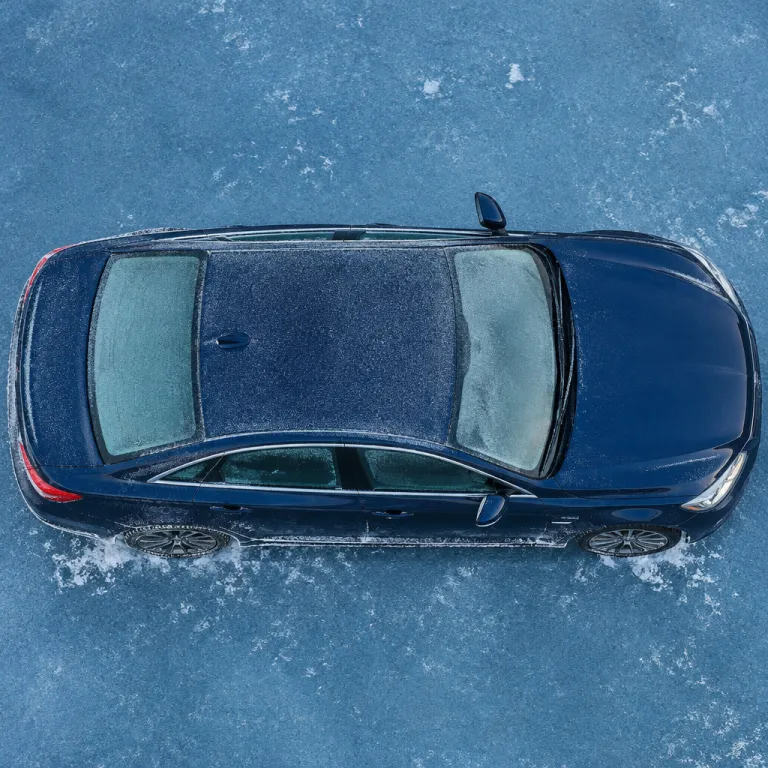
The real enemies of winter for a luxury car
Luxury car winter preparation starts with understanding what actually hurts the car. Your vehicle faces a cocktail of sub-zero temperatures, corrosive road salt, repeated snow exposure and brutal thermal cycles that quietly attack every system. Ignore those forces and even a low mileage grand tourer can feel tired long before its time.
Salt and slush work their way into seams, suspension components and underbody cavities, where they accelerate corrosion and slowly undermine safety on the road. When a vehicle winter season arrives, the mix of moisture and salt can also damage brake lines, exhaust sections and fasteners that once looked in good condition. That is why a thorough underbody wash and careful storage strategy are not cosmetic indulgences but essential car maintenance steps.
Cold air is denser, which can help engine performance on paper, yet real world winter weather usually offsets that gain with thicker fluids and longer warm up times. A modern engine management system will compensate, but repeated short trips in cold conditions leave condensation and fuel dilution in the oil, which can shorten engine life. Owners who want to prevent that should plan at least one longer winter driving session each week to bring the engine fully up to temperature and evaporate moisture from the lubrication system.
Then there is the battery, which suffers most when the car sits. A high compression V8 or a powerful EV drive unit demands serious cranking power or high voltage stability, and a weak car battery in deep cold will expose itself the first time you park outside after a long storage period. Typical 12 V batteries in luxury vehicles range from roughly 700–950 cold cranking amps (CCA), and capacity can drop by 20–40% around −18 °C (0 °F), so winter preparation therefore means testing the battery, checking charging behaviour and ensuring the charging system is in good condition before the winter months arrive.
Tyres and tire pressure form the final piece of this quiet assault. As temperatures fall, rubber compounds harden, grip drops and the wrong tires turn a composed luxury vehicle into a nervous, understeering sled on snow or ice. Regularly check tire pressure as the cold weather sets in, because as a rule of thumb pressure changes by about 1 psi for every 10 °F (around 0.07 bar per 5–6 °C), which is enough to compromise both safety, road confidence and refined ride quality if ignored.
Tyres first: why winter rubber matters more than you think
If you drive a rear driven coupé or a heavy electric SUV, luxury car winter preparation begins at the contact patch. All season tires promise convenience, yet in real winter conditions they are a compromise that blunts performance and extends stopping distances when snow or ice actually appear. The right winter tires transform the car, restoring the calm, precise driving feel you bought it for in the first place.
Dedicated snow tires use softer compounds and aggressive siping to maintain grip when the road surface is polished by compacted snow. On a powerful vehicle with wide tire sizes, that extra mechanical keying into the surface can prevent traction control from constantly intervening and can also shorten braking distances in winter weather. For owners who split time between mountain roads and city streets, a second set of wheels with winter tires is usually the most elegant solution.
Pressure is not a set and forget number once the winter months arrive. As ambient temperatures fall, tire pressure drops, which can trigger warning lights, dull steering response and increase wear on the shoulders of the tires. Build a habit to check tire pressure at least once a month during the cold season, adjusting to the values in the owner manual rather than guessing at what feels right, and always measure when the tires are cold for consistent readings.
Do not neglect the wiper system while focusing on rubber at the corners. Old wiper blades smear road grime and salt, which reduces visibility just when winter driving demands the most precise reading of the surface ahead. Replacing wiper blades before the first serious snow and topping up washer fluid rated for cold weather (often down to at least −20 °C / −4 °F) are small steps that will pay off every time a truck throws slush across your windscreen.
For cars that see spirited winter driving on mountain passes, tyres become a safety device rather than a styling choice. A well chosen winter tire set allows the chassis electronics to work with you, not against you, and keeps the car balanced when grip levels change mid corner. That is the difference between a luxury car that merely survives winter conditions and one that still feels composed, as if tuned for that third corner on a wet Alpine pass.
Protecting paint, undercarriage and exterior details from salt
Once the right tires are fitted, luxury car winter preparation turns to the bodywork and undercarriage. Road salt is ruthless with exposed metal, and even aluminium intensive cars are not immune because fasteners, subframes and mixed metal joints can corrode where you never look. The goal is simple: prevent salt from sitting on the car long enough to start that chemical attack.
A meticulous pre winter wash, including wheel arches, suspension pick up points and the lower edges of the body, removes old contaminants before the first snow. During the winter months, a regular underbody rinse after heavy snow driving helps keep the vehicle in good condition by flushing away salt packed slush that collects around the exhaust and rear bumper. Owners who care about long term value often schedule a professional detail with careful paint decontamination before the cold weather sets in.
Paint protection is not only about gloss but about creating a sacrificial barrier between the clear coat and winter weather. A high quality coating on wheels and exterior trim can make it easier to remove brake dust and salt, which in turn helps prevent staining and corrosion on intricate designs. Thoughtful owners treat this as part of serious car maintenance, not as an optional cosmetic upgrade, and many manufacturers now publish guidance on compatible waxes, sealants or ceramic coatings for their finishes.
Undercarriage protection matters just as much as the visible panels. On older vehicles, checking for existing rust, loose undertrays or damaged wheel arch liners before the vehicle winter season can prevent salt laden spray from reaching sensitive areas. If you store the car for part of the winter, a final wash, thorough drying and a clean, dry storage space will dramatically slow any corrosion process.
Even details like chrome trim, badges and exhaust tips deserve attention in a proper winter preparation kit. Wiping them down after snow driving and avoiding aggressive scraping tools will keep them in good condition for years, preserving both aesthetics and resale value. In the end, protecting the exterior is less about vanity and more about respecting the craftsmanship you paid for when you chose this particular car.
Interior, battery and storage strategies for cars that sit
Many luxury owners rotate between cars, which means at least one car spends much of the winter in storage. That pattern changes the priorities of luxury car winter preparation, shifting focus from snow traction to preserving materials, electronics and the car battery over long, cold months. A beautiful interior and a complex electrical system will not forgive neglect when temperatures drop.
Leather, Alcantara and fine veneers react badly to uncontrolled humidity and repeated cold weather cycles. In an unheated garage, moisture can condense on cold glass and trim, then slowly migrate into stitching, seat foam and electronic modules hidden under the carpets. Using a breathable cover, maintaining moderate ventilation and occasionally running the climate control system will help prevent musty odours and protect delicate finishes.
The battery is the quiet casualty of long storage in winter conditions. Every modern vehicle carries a significant parasitic draw from alarm systems, keyless entry and telematics, which means a marginal car battery can discharge enough in a few weeks of cold to leave you stranded. A smart charging strategy, whether through regular driving or a suitable maintenance charger in the 1–5 amp range designed for AGM or lithium units where fitted, will keep the battery and charging system in good condition without overcharging.
Mechanical components also deserve attention before a car disappears into storage. Inspect belts and hoses for cracks or hardening, because cold weather can turn a marginal belt into a failure the first time you restart the engine after weeks of inactivity. Checking coolant quality and the overall cooling system health is equally important, since a typical 50/50 antifreeze and distilled water mix protects to around −37 °C (−34 °F) and helps control internal corrosion in extreme conditions.
Finally, think about fuel and fluids as part of your storage plan. Keeping the gas tank at least half full reduces condensation and helps prevent corrosion inside the tank and fuel system during the winter months. Topping up washer fluid, verifying wiper condition and confirming that all exterior lights work properly will ensure the car is ready for safe driving the moment you decide to bring it back into regular use.
A practical pre winter checklist for luxury car owners
By the time the first frost appears on the windscreen, luxury car winter preparation should already be underway. A structured checklist turns that vague intention into a concrete plan that protects both driving pleasure and long term value. Think of it as a seasonal service ritual, not a chore.
1. Tyres, wheels and visibility
Start with the basics that affect immediate safety on the road. Confirm that winter tires or at least appropriate all season tires are fitted, then check tire pressure against the owner manual recommendations for cold weather. Inspect wiper blades, test all exterior lights and verify that washer fluid is rated for freezing temperatures, because visibility is your first line of defence in winter driving.
2. Battery, engine bay and cooling system
Next, move under the bonnet and around the chassis. Test the car battery, inspect the charging system and look over belts and hoses for any signs of wear that winter conditions could exploit. Examine the cooling system, coolant level and concentration, then check for leaks or staining that might indicate a developing issue before the harshest winter weather arrives.
3. Bodywork, underbody and seals
Bodywork and underbody protection come after the mechanical checks. Give the vehicle a thorough wash, paying special attention to wheel arches, suspension components and the lower doors where snow and salt tend to accumulate. Once clean and dry, inspect for stone chips, early rust spots or damaged seals that could allow water ingress during the winter months.
4. In car emergency and comfort kit
Finally, assemble a thoughtful in car emergency kit tailored to your driving patterns. Include a compact shovel, gloves, a warm blanket, a torch, basic tools and any personal medication you might need if winter driving plans change unexpectedly. That emergency kit will sit quietly in the boot most of the season, yet on the one day you really need it, it will feel like the smartest luxury option you ever specified.
FAQ
How often should I check tire pressure during winter months ?
In cold weather, you should check tire pressure at least once a month and always after a major temperature drop. Lower temperatures reduce pressure by roughly 1 psi per 10 °F (about 0.07 bar per 5–6 °C), which can harm performance, increase wear and compromise safety on the road. Always adjust pressures according to the values listed in your owner manual, not by visual inspection alone.
Are winter tires really necessary on a modern all wheel drive luxury car ?
All wheel drive improves traction when accelerating, but it does not shorten braking distances on snow or ice. Dedicated winter tires use compounds and tread patterns designed for winter conditions, which significantly improve grip and control. For powerful or heavy luxury vehicles, winter tires are strongly recommended whenever temperatures stay near or below freezing.
What is the best way to protect my car battery in winter storage ?
The most effective approach is to start winter storage with a fully charged, healthy car battery and then maintain it with periodic charging. If the vehicle will sit for several weeks in cold weather, a suitable maintenance charger matched to your battery type and typically rated between 1 and 5 amps can prevent deep discharge without overcharging. Avoid repeated short starts without proper driving, because they drain the battery without giving the charging system time to recover.
How can I prevent salt from damaging my luxury car’s undercarriage ?
Regular washing of the underbody and wheel arches during the winter months is the most practical defence against salt damage. After driving on heavily salted roads, use a high pressure rinse to flush out trapped slush and contaminants from suspension components and seams. Before the season, inspect for existing rust or damaged undertrays, because these weak points allow salt to reach sensitive metal surfaces more easily.
Should I store my luxury car or keep driving it through winter ?
The choice depends on your usage, local climate and how many vehicles you own. Occasional, well prepared winter driving with proper tires and regular cleaning can keep a car in good condition and prevent storage related issues like flat spots or battery discharge. Long term storage makes sense for rare or highly valuable models, provided you follow a structured preparation plan that covers fluids, battery care, interior protection and secure, dry storage conditions.