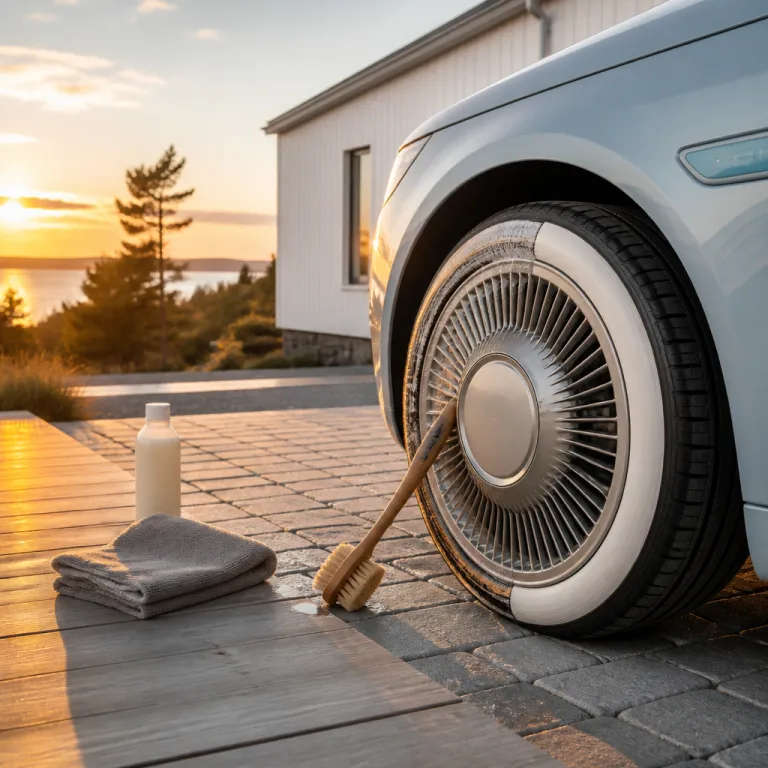
White wall cleaner for luxury cars: complete guide for collectors and enthusiasts
Why white wall cleaner matters for luxury car aesthetics
On a luxury car, immaculate white walls on the tires frame the bodywork like a tailored suit. A dedicated white wall cleaner keeps each tire uniformly white while protecting the delicate rubber surface from harsh residues that cheaper products often leave behind. When the product respects both the tire rubber and the wheel finish, the entire car gains a sharper, more intentional presence that stands out in any high end garage.
Owners often underestimate how much a single product, such as a premium tire cleaner, can influence perceived value at a concours or during a discreet private sale. A carefully chosen cleaner works great on white walls and on the adjacent black sidewall sections, preventing the yellowing and brown streaks that betray age and neglect. When you evaluate any cleaner, think beyond the immediate shine and consider how the product will preserve the rubber surface and the surrounding wheels and tires over many careful car wash sessions.
For high end collections in the United States and Europe, curators now treat white wall maintenance as part of their preservation protocol rather than a cosmetic afterthought. They track every product, from wheel cleaner to interior leather care, with the same discipline used for mechanical servicing and paint correction. That mindset ensures that each tire, each whitewall band, and each visible rubber detail supports the car’s provenance and long term value, whether the vehicle is a vintage Rolls Royce, a classic Cadillac, or a pre war Mercedes.
Choosing the right white wall cleaner for premium rubber
Selecting a white wall cleaner for a luxury car begins with understanding the chemistry behind the label. You should always request the safety data and the technical data sheet for any product, because these documents reveal whether the cleaner is solvent based, water based, or formulated specifically for vintage tire rubber. When a manufacturer provides clear safety data and a transparent data sheet, you gain confidence that the product will not etch polished wheels or stain delicate whitewall inserts.
Pay attention to the size and the gallon options, because a large collection with many cars and many tires will require a different strategy than a single weekend driver. For a private garage with several classics on white walls, a 3.8 liter (1 gallon) container often offers the best sale price without compromising freshness of the products. When you compare price per liter, factor in how concentrated the cleaner is and how many car wash cycles each gallon will realistically cover.
Luxury owners who store vehicles seasonally should align their white wall cleaner choice with broader storage practices, including climate control and tire cradles. Guidance on long term storage for collector cars, such as professional summer storage recommendations for collector vehicles, helps you coordinate tire care with humidity management and surface protection. When the same product serves both active driving periods and storage preparation, you simplify logistics while ensuring that all orders ship in time for each maintenance window and that the cleaner remains within its stated shelf life.
Evaluating price, reviews, and real world performance
For a discerning customer, the headline price of a white wall cleaner is only one part of the decision. You should read detailed reviews from owners of high value cars, because their expectations for a great product are closer to your own than those of mass market users. When several reviews mention that a cleaner works great on both white walls and black sidewalls without streaking, that pattern carries more weight than a single enthusiastic comment about shine.
Look for retailers who present a clear view details page for each product, including sale price, standard price, and estimated shipping to your region. In the United States, serious suppliers often list whether orders ship from a central warehouse or from regional hubs, which can affect freshness and handling of chemical products. A transparent view details section should also link directly to the safety data and data sheet, allowing you to verify compatibility with your specific wheels and tires and any ceramic coatings on the car.
When comparing products, consider the total cost of ownership rather than only the initial sale price. A slightly higher price for a concentrated tire cleaner in a larger gallon size can become more economical if it reduces scrubbing time and preserves the rubber surface longer. Align your choice with broader maintenance priorities, using independent analyses of what actually protects luxury car value to avoid paying for shine that does not translate into long term preservation.
Technique: how to clean white walls without harming wheels
Effective use of a white wall cleaner starts with preparation, not with aggressive scrubbing. Always rinse the tire and wheel thoroughly to remove loose grit, because dragging particles across the white wall can create micro scratches that trap dirt. When the surface is pre rinsed, the cleaner can act directly on the staining compounds rather than on road debris.
Apply the product evenly around the tire, respecting the recommended dwell time on the label and in the data sheet. On a luxury car, it is wise to work in small sections so the cleaner does not dry on the rubber surface or on the wheel finish, especially on polished or diamond cut wheels. Use a dedicated brush with soft but firm bristles for the whitewall area and a separate tool for the black sidewall, preventing cross contamination of discolored residues.
Rinse thoroughly until the water runs clear, then inspect the white wall under good lighting from several angles. If stubborn staining remains, a second light application of the tire cleaner is safer than one overly aggressive pass, particularly on older tire rubber. Finish with a pH balanced wheel cleaner for the metal surfaces, ensuring that the car leaves the wash bay with a consistent, refined appearance from wheel lip to white walls.
Step-by-step technique box
- Pre rinse wheels and tires with low pressure water for 30–60 seconds.
- Spray white wall cleaner evenly, allowing a dwell time of 1–3 minutes without letting it dry.
- Agitate the white band with a soft nylon or boar’s hair tire brush; use a separate brush for black sidewalls.
- Rinse thoroughly from top to bottom until runoff is clear and free of foam.
- Inspect under bright, diffuse light; repeat with a light second application if needed.
- Wear nitrile gloves and eye protection, and avoid using the product on hot wheels or in direct sun.
Integrating white wall care into a complete luxury car wash ritual
For many luxury owners, the weekly car wash is a ritual that balances relaxation and responsibility. Integrating a dedicated white wall cleaner into that ritual ensures that the tires receive the same attention as the paintwork, glass, and interior. When every product in the process is chosen deliberately, the car presents as a coherent whole rather than a collection of individually polished parts.
Begin with a gentle pre rinse, then a contact wash using a high lubricity shampoo before addressing the wheels and tires. Cleaning the wheels and the tire rubber after the main wash allows you to focus on the rubber surface and the white wall without rushing, while also preventing shampoo residues from interfering with the tire cleaner. Many owners prefer to dress the black sidewall sections with a satin finish dressing while leaving the white walls clean and matte, creating a subtle contrast that emphasizes the tire’s design.
For historically significant vehicles, whitewall preservation intersects with authenticity and provenance. Specialist programs that authenticate classic cars, including expert factory heritage services from major marques, often expect period correct tire profiles and finishes. Maintaining crisp white walls with the right cleaner supports that authenticity, reinforcing the narrative that the car has been cared for with the same precision as its mechanical components and original trim.
Logistics, storage, and product management for serious collections
In a multi car collection, managing white wall cleaner and related products becomes a logistical task rather than a casual purchase. Curators track which product will be used on which car, noting compatibility with specific tire sizes, wheel finishes, and any protective coatings. This level of documentation mirrors the way they record mechanical work, creating a maintenance history that future buyers can trust.
When ordering in bulk, consider how orders ship and how long the products will remain stable in your storage environment. Large gallon containers can be efficient for a professional level garage, but only if you have a cool, dry space where the cleaner and wheel cleaner will not degrade, separate, or leak. In the United States, some suppliers offer climate controlled shipping options for sensitive chemicals, which can be worthwhile for high value collections in regions with extreme temperatures.
Label each container clearly with the intended use, such as white wall, black sidewall, or general tire cleaner, and keep the safety data sheets accessible near the storage area. This practice protects your maintenance équipe and any visiting detailers, while also simplifying compliance with local regulations on chemical storage. When every product, from the smallest bottle to the largest gallon, is catalogued and controlled, the entire collection benefits from consistent, repeatable care standards.
Key figures on white wall cleaner and tire care for luxury cars
- According to 2023 category reports from professional detailing distributors such as Detailers Domain and CarCareCo, specialized tire and wheel care products represent roughly 12–18 % of total professional car care product sales, reflecting the importance of wheel and tire presentation in perceived vehicle value. These internal distributor summaries are based on aggregated sales data shared with trade customers.
- Testing published by the German materials laboratory TÜV SÜD and rubber ageing studies summarized by the Rubber Manufacturers Association indicate that repeated exposure to aggressive solvent based cleaners can measurably reduce tire rubber flexibility over time, which is why many luxury focused white wall cleaner formulas are now water based and pH balanced. The findings are drawn from standardized rubber immersion and ageing protocols used in tire industry research.
- Surveys of concours level detailers reported by the International Detailing Association (IDA) show that they typically allocate between 20 and 30 minutes per car solely to wheel and white wall cleaning, underscoring how critical this step is in high end presentation standards. These figures come from member questionnaires and training feedback compiled by the IDA education committee.
- Professional detail shops in the United States, including data shared by regional Meguiar’s and Griot’s Garage distributors, report that premium wheel cleaner and tire cleaner products can last for 40 to 60 full vehicle applications per 3.8 liter gallon, depending on tire size and contamination level, which significantly affects the real world sale price per use. The usage ranges are based on shop consumption logs and distributor training materials.
FAQ: white wall cleaner for luxury car owners
How often should I clean white walls on a rarely driven luxury car ?
For a luxury car that sees limited road use, cleaning the white walls every four to six weeks is usually sufficient, provided the vehicle is stored in a clean, dry environment. If the car is displayed under bright lighting, more frequent light cleaning with a gentle white wall cleaner helps prevent faint discoloration from becoming embedded. Always inspect the tires after any drive in wet or dirty conditions and address visible staining promptly.
Can the same product safely clean both white walls and black wall sections ?
Many modern tire cleaner formulas are designed to work on both white walls and black wall areas, but you must confirm this in the safety data and data sheet. On a high value car, it is prudent to test the cleaner on a small, inconspicuous section of the black sidewall first to ensure it does not cause streaking or uneven fading. If the product works great on both surfaces without residue, you can streamline your car wash routine with a single cleaner.
Does a larger size gallon container make sense for a private owner ?
A large gallon container can be cost effective if you maintain several cars or clean white walls frequently. For a single weekend car, smaller products may be wiser, because chemical stability over time can affect performance and safety. Always check the manufacturer’s guidance on shelf life and storage conditions before committing to a bulk sale price.
Will white wall cleaner damage ceramic coated wheels or painted rims ?
Most premium white wall cleaner and wheel cleaner products are formulated to be safe on common wheel finishes, including ceramic coated and painted rims, but compatibility is never guaranteed. Review the safety data sheet and any manufacturer reviews to confirm that the product will not strip coatings or dull clear coats. When in doubt, choose a cleaner explicitly labeled as safe for coated wheels and perform a careful spot test.
What should I look for when reading customer reviews about white wall cleaners ?
When evaluating customer reviews, focus on comments from owners of high end or classic cars, because their standards for a great product align more closely with yours. Look for consistent feedback about how well the cleaner restores white walls, how it behaves on the rubber surface, and whether it leaves any residue on wheels and tires. Pay attention to mentions of shipping reliability, packaging quality, and clarity of the view details information, as these factors reflect the supplier’s overall professionalism.
