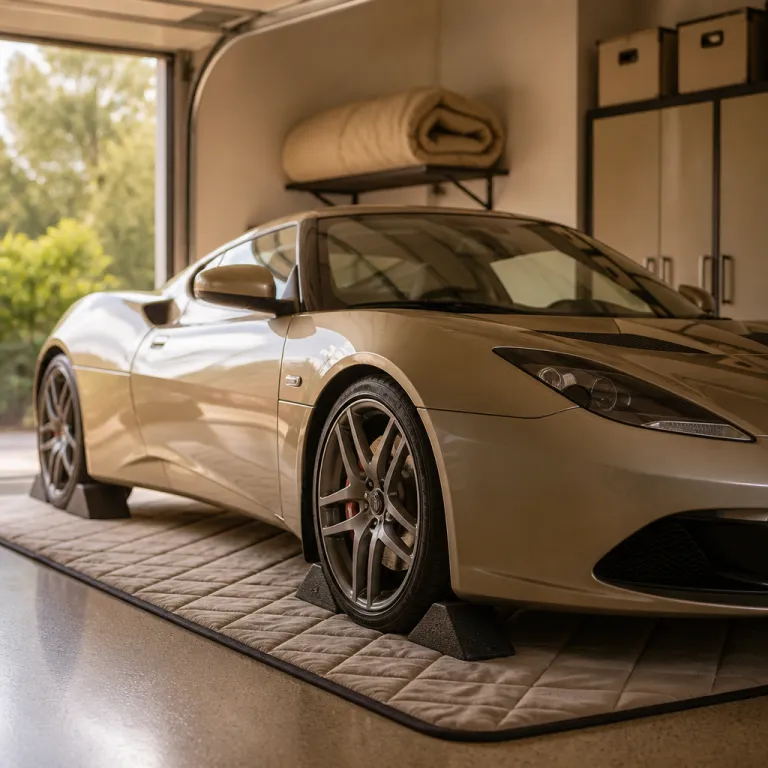
Why a used Lotus can quietly outperform other luxury cars on resale
A carefully selected used Lotus often holds its value better than many larger luxury cars. When you buy a pre owned Lotus vehicle, you are purchasing lightweight engineering, a focused powertrain and precise control that enthusiasts keep chasing on the secondary market. That persistent demand for both a single used Lotus and well curated Lotus collections supports strong resale values for disciplined owners.
Resale strength starts with the fundamentals of the vehicle, especially the engine and chassis balance that define every modern Lotus coupe. A naturally aspirated engine or a supercharged unit with a distinctive cylinder configuration will feel very different from heavier luxury cars such as a Rolls Royce or a large Mercedes Benz sedan, and that contrast is exactly what keeps the market niche tight and resilient. Because the typical Lotus owner values feedback and control over sheer size, the pool of buyers for used Lotus cars tends to be smaller but more committed, which stabilises prices when broader luxury markets soften.
Body style and color also matter when you assess long term value for any used Lotus coupe. Neutral shades such as black or dark grey remain the safest color choices for resale, while more expressive colors can work if they match the sport focused style of a Lotus Elise, a Lotus Evora or a newer Lotus Emira. When you compare these compact, lightweight performance cars with owned vehicles from brands such as Aston Martin, Land Rover or Cadillac and Chevrolet, you often find that the right used Lotus keeps a higher percentage of its original value relative to its purchase price, as illustrated by Hagerty’s 2023 Price Guide, where several Elise and Exige variants retain more than 60 percent of their original MSRP after around ten years.
How to read the mechanical story behind every used Lotus listing
Every used Lotus carries a mechanical story that directly shapes resale value. Before you consider any vehicle listing, you should decode that story by examining engine health, service records and how the previous owner used the car in daily driving or track environments. A used Lotus with consistent service at an authorised Lotus dealer and a clean inspection of its cylinder wear patterns will almost always outperform a cheaper but poorly documented alternative when you eventually sell.
Start with the powertrain, because the engine and forced induction components are the most expensive parts to correct later. For gasoline powered Lotus Elise, Lotus Evora and Lotus Emira models, ask for compression test results, oil analysis reports and invoices for any turbocharger or cooling system work, then compare them across several used Lotus examples in the same inventory. If you see irregular service intervals or unexplained gaps, assume that maintenance discipline was weak and adjust your offer or walk away to protect your long term resale value.
Chassis and brake condition also reveal how a pre owned Lotus has been treated. Look for even tyre wear, consistent brake disc color and suspension components free of corrosion, especially on cars used in coastal areas where salt air accelerates deterioration. When you evaluate a used Lotus for potential resale opportunities later, a clean underbody and documented suspension work will reassure buyers who already cross shop prestige imports from brands like Audi, BMW, Aston Martin or Land Rover for their luxury garages, as explained in detail in this guide on protecting your luxury garage’s resale value through future listings : protecting your luxury garage’s resale value.
Choosing the right Lotus model mix for a resilient luxury garage
Model selection is where experienced luxury owners quietly separate themselves from casual buyers. A focused sport coupe such as a Lotus Elise or Lotus Emira will appeal to purists, while a more versatile Lotus Evora offers 2+2 practicality that broadens your future buyer pool without abandoning the core Lotus driving experience. When you build a small fleet of used Lotus cars, mixing these models strategically can stabilise the overall resale value of your owned vehicles.
Think of each used Lotus as a different asset class within your garage. A lightweight black Lotus Elise with a high revving gasoline engine and minimal options behaves like a pure enthusiast asset, while a premium Lotus Evora with a comfortable interior, refined color choices and modern infotainment behaves more like a bridge between traditional luxury cars and track focused machines. The latest Lotus Emira, especially when specified with a desirable cylinder layout and tasteful style, often becomes the halo vehicle that lifts interest in the rest of your used Lotus inventory when you eventually list several vehicles for sale together.
Cross brand context also matters for long term value. Many buyers who consider a used Lotus will also look at compact performance models from Audi or BMW, mid size coupes from Aston Martin or even high specification Mercedes Benz and Land Rover SUVs, so your pricing must reflect that competitive set rather than only other Lotus cars. When you study how a well chosen Mercedes Benz GLE can hold value on the secondary market, as detailed in this analysis of selecting a second hand GLE that truly holds its value : choosing a Mercedes Benz GLE that holds its value, you gain a useful benchmark for positioning each used Lotus model in your own portfolio.
Why geography, dealers and service history define your exit price
Location quietly shapes the market for every used Lotus you will ever sell. In regions with warm weather, strong tourism and a dense concentration of luxury cars, the buyer pool for sport coupes and premium convertibles is naturally deeper. That means a well specified used Lotus coupe with a desirable color and low kilometres can command a stronger price in major coastal markets than the same vehicle might achieve in a smaller inland area.
Dealer ecosystem is equally important, because serious buyers prefer cars with a traceable relationship to a reputable Lotus dealer. When a used Lotus has been maintained at a recognised specialist, with stamped service records and detailed invoices, it sends a clear signal that the previous owner treated the vehicle as a long term asset rather than a disposable toy. For your own owned vehicles, keeping every Lotus Elise, Lotus Evora and Lotus Emira on a strict service schedule at a respected workshop will pay off when you present the dossier to the next owner.
Service documentation should cover more than routine oil changes. Ask for proof of brake fluid replacement, coolant changes, turbocharger inspections where applicable and any control unit software updates that affect engine performance or stability systems, then file these records carefully for each used Lotus in your garage. When you later list your vehicles for sale, being able to show a complete, chronological service history often adds several percentage points to the final transaction price, especially in competitive markets filled with other luxury cars from brands such as Rolls Royce, Mercedes Benz, Cadillac, Chevrolet and Audi or BMW, a pattern echoed in J.D. Power residual value studies that consistently reward vehicles with verifiable maintenance histories.
Financing, holding periods and the hidden cost of impatience
How you finance a used Lotus can be as important as which car you choose. Many luxury owners focus on the headline rate of their finance package but ignore how term length, balloon structures and early settlement penalties interact with the natural depreciation curve of a sport coupe. Aligning your financing options with a realistic holding period for each used Lotus protects both cash flow and eventual resale value.
Shorter terms usually mean higher monthly payments but lower total interest, which can make sense for a premium Lotus Emira or Lotus Evora that you plan to keep only through the steepest part of its depreciation curve. Longer terms may suit a more affordable used Lotus Elise or older pre owned Lotus model, especially if you intend to enjoy the vehicle for many years and treat it as a stable asset within a broader portfolio of owned vehicles that might also include an Aston Martin, a Rolls Royce or a high specification Land Rover. The key is to ensure that your outstanding finance never exceeds the realistic market value of the vehicle, because negative equity will trap you if market conditions change.
Patience at resale time is equally valuable. If you rush to sell a used Lotus during a seasonal lull or when your local inventory is saturated with similar listings, you will almost certainly accept a lower price than necessary. By contrast, monitoring regional demand, tracking how many comparable black or rare color coupes appear at prestige style dealers and adjusting your timing accordingly can add meaningful profit to each transaction, as illustrated by long term plug in ownership analyses such as this detailed review of what a year of Cayenne Turbo E Hybrid ownership teaches about timing and value : what plug in ownership teaches about timing and value.
Balancing passion and discipline when curating a Lotus focused collection
Emotion drives most purchases of a used Lotus, but discipline protects your capital. The sound of a tightly wound gasoline engine, the immediacy of steering response and the compact proportions of a sport coupe can tempt even experienced luxury owners into impulsive decisions. To safeguard resale value, you must channel that enthusiasm into a structured acquisition strategy for every used Lotus you add to your garage.
Start by defining the role of each car within your collection. A black Lotus Elise with a high revving cylinder layout might serve as your pure track toy, while a premium Lotus Evora in a sophisticated color and comfort oriented style becomes your long distance GT, and a latest generation Lotus Emira bridges both worlds as a modern halo vehicle. When you view these used Lotus models as complementary assets rather than overlapping toys, you avoid redundancy and keep your overall inventory lean, which supports stronger pricing when you eventually list individual vehicles for sale.
Cross brand balance also matters for perception. A garage that mixes a carefully chosen used Lotus with an Aston Martin Vantage, a Rolls Royce Ghost, a Mercedes Benz S Class, a Land Rover Range Rover and perhaps a pair of Audi, BMW or Cadillac and Chevrolet performance sedans signals both taste and financial stability to potential buyers. That perception of a well curated, professionally maintained stable of owned vehicles can justify a premium when you sell any single used Lotus, because buyers infer that the same standards applied across your entire fleet, from service discipline at a trusted Lotus dealer to thoughtful selection of financing options for each acquisition.
Key statistics that matter when assessing used Lotus resale value
- Industry valuation guides such as those published by Hagerty indicate that many modern Lotus Elise and Lotus Exige models show depreciation curves that flatten after roughly five to seven years of ownership, meaning a well maintained used Lotus can retain a high percentage of its value over longer holding periods compared with some heavier luxury cars.
- Market summaries from large online marketplaces, including platforms like AutoTrader and Cars.com, regularly note that sports cars with manual transmissions and limited production numbers, a category that includes several Lotus Elise and Lotus Evora variants, tend to move more quickly once they reach enthusiast focused price brackets, although exact percentages vary by model year and region.
- Data from the Insurance Institute for Highway Safety shows that lighter sports cars such as many Lotus models typically incur lower average annual mileage than mainstream sedans, which can help preserve mechanical condition and support stronger resale values for low kilometre used Lotus vehicles.
- Reports from J.D. Power on premium segment residual values consistently highlight that niche performance brands with strong enthusiast communities, including Lotus, can achieve residual value percentages comparable to or better than larger luxury marques when maintenance histories are fully documented.
FAQ about choosing and owning a used Lotus
How many kilometres are acceptable on a used Lotus for strong resale value ?
For most used Lotus models, anything under 60 000 kilometres with full service history is considered attractive by enthusiasts. Cars between 60 000 and 100 000 kilometres can still command strong prices if maintenance is impeccable and engine compression remains healthy. Above that range, condition and documentation matter more than the odometer alone, especially for rare specifications or limited editions.
Is a turbocharged used Lotus riskier to own than a naturally aspirated model ?
A turbocharged engine introduces more components and heat, so inspection quality becomes critical. When buying a turbo equipped used Lotus, insist on recent turbocharger service records, oil analysis and proof of proper warm up and cool down habits from previous owners. With that documentation, a turbocharged car can be as reliable as a naturally aspirated equivalent while offering stronger performance and resale appeal.
Does color really affect the resale value of a used Lotus ?
Color has a measurable impact on demand and therefore on resale value. Classic shades such as black, dark blue, silver and British racing green tend to attract the widest audience for a used Lotus, especially among conservative buyers. More unusual colors can still perform well if they suit the sport character of the coupe and are paired with tasteful interior combinations.
How important is buying from an authorised Lotus dealer versus a private seller ?
Authorised dealers often provide better documentation, pre sale inspections and access to extended service packages, which can support higher resale values later. A private seller may offer a lower initial price on a used Lotus, but you must compensate with more thorough independent inspections and verification of service records. For high value cars such as a Lotus Emira or low kilometre Lotus Evora, many buyers prefer the reassurance of a recognised Lotus dealer.
Can a used Lotus fit into a garage already filled with larger luxury cars ?
A compact used Lotus often complements rather than competes with larger luxury cars such as a Rolls Royce, Mercedes Benz S Class or Land Rover Range Rover. The Lotus provides a focused sport driving experience that your other vehicles cannot match, while occupying minimal physical space in the garage. That contrast in character can make your overall collection more attractive to future buyers who appreciate both comfort and pure driving engagement.