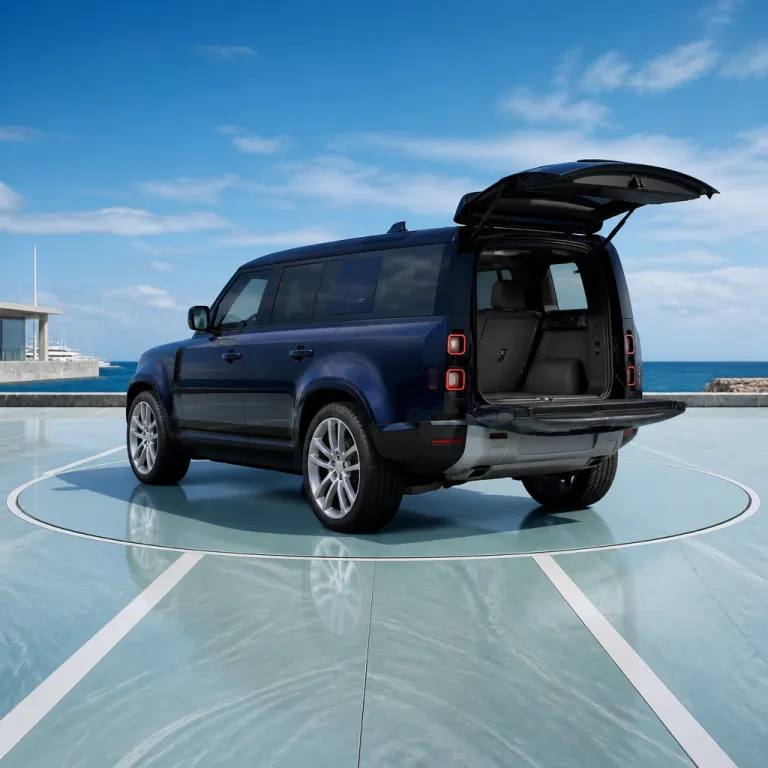
Why timing and positioning matter when I plan to sell my Land Rover
When planning to sell my Land Rover, timing shapes everything. The luxury SUV market for any Land Rover or Range Rover reacts quickly to economic sentiment, seasonal demand, and shifts between petrol, diesel, and hybrid vehicles. Choosing the right moment to sell a single car or a small collection can easily change the final price by several thousand euros.
High net worth buyers track new model launches and facelift announcements across the full Land Rover range, because these events immediately affect values of pre-owned and nearly new vehicles. If a new Range Rover or a new Land Rover Defender is announced, many owners rush to dispose of existing cars, which briefly floods the market with similar examples and compresses prices. Planning a sale three to six months before a major update often keeps a Land Rover in a stronger position within dealer inventory and private listings.
Seasonality also matters when I want to sell or part-exchange a luxury SUV. In many European markets, demand for capable 4x4 vehicles and Discovery or Defender-style models rises before winter, while convertibles and sports cars peak closer to summer. Listing a certified vehicle or well maintained pre-owned Land Rover just before this winter demand uptick can attract more serious buyers and better offers from the right dealership.
Positioning is the second pillar when preparing to sell a Land Rover in a crowded premium segment. A buyer comparing a Range Rover, a Land Rover Defender, and a German rival will look at mileage, specification, and documented service more than at colour or minor cosmetic repairs. The goal is for the car to sit in the top quartile of its peer group, not merely in the middle of the inventory where it competes only on price.
That means understanding how franchised dealership centres structure their pre-owned and certified Land Rover inventory. Many Land Rover and Range Rover retailers reserve prominent online placement and showroom space for low mileage stock and courtesy vehicles with impeccable history. If a car cannot match those standards, the owner must compensate with a sharper asking price, cleaner presentation, or more flexible finance options for the next driver.
Luxury buyers also pay attention to how a seller communicates the story of the vehicle. When I sell car assets of this calibre, I emphasise careful ownership, garaging on private land, and consistent scheduled service records from an authorised service centre. This narrative reassures buyers that the car has not been abused off road, even if it is a Discovery or Land Rover Defender model designed for rough terrain.
Choosing between dealer, specialist, and private sale when I sell my Land Rover
Once I commit to sell my Land Rover, the sales channel becomes my most strategic decision. Each route — franchised dealership, independent specialist, or private sale — changes how quickly I sell, how much I receive, and how much risk I accept. For a high value Range Rover or Land Rover, this choice can mean a five figure difference in the final settlement.
Franchised Land Rover dealership centres offer convenience and speed, especially when I want to trade my current vehicle into a new model. These centres often need quality pre-owned and certified stock, so they may pay a premium for low mileage cars with full scheduled service history. However, that convenience comes at a cost, because the dealership must still leave margin for reconditioning, warranty, and future promotions they will advertise to their own clients.
Independent luxury SUV specialists sometimes bridge the gap between dealer and private sale. A respected Land Rover and Range Rover specialist can place my car or a small fleet in front of a curated client base that already understands the nuances of Range Rover and Land Rover Defender models. In exchange, they charge a commission, but they may still net me more than a direct dealer offer, especially on rare specifications or limited edition vehicles.
Private sale usually yields the highest headline price when I sell my Land Rover, but it demands more effort and risk management. I must handle advertising, screening buyers, test drives, and finance checks, while also ensuring that any cosmetic work or mechanical repairs are transparently documented. For a very high value Range Rover or Discovery, I may even involve a solicitor or escrow service to secure payment and protect both parties.
Whichever route I choose to sell car assets, I should benchmark at least three written offers. I start with a franchised Land Rover centre, then consult a specialist in pre-owned Land Rover and Range Rover vehicles, and finally estimate private sale value using recent transaction data from reputable platforms. This triangulation helps me judge whether a dealer’s offer or a part-exchange proposal is genuinely competitive or simply convenient.
Owners who have already optimised the sale of other exotics often apply the same discipline here, and resources on how to strategically sell a high end performance car for maximum value translate surprisingly well to the Land Rover and Land Rover Defender segment. The principles of perfect presentation, documented maintenance, and realistic pricing work across all luxury vehicles. The key is to adapt them to the specific expectations of SUV buyers, who value practicality and capability alongside prestige.
Specification, options, and how they influence what I achieve when I sell my Land Rover
Specification is one of the most underestimated levers when I plan to sell my Land Rover. The right combination of engine, trim, and options can add tens of thousands of euros to the resale value of a Range Rover or Land Rover Defender. Conversely, an eccentric configuration may limit the pool of buyers and slow the sale of an otherwise desirable vehicle.
In the current European market, buyers of pre-owned Land Rover vehicles tend to favour efficient yet powerful engines, understated exterior colours, and high quality interior materials. A Range Rover or Discovery in a classic dark metallic with a light leather interior and a comprehensive options list usually sells faster than a car in a very bold colour with minimal equipment. When I eventually sell my Land Rover, I benefit from having chosen timeless specifications rather than chasing short lived trends.
Technology and comfort packages also play a major role in resale. Features such as adaptive cruise control, premium audio, panoramic roof, and advanced off road systems are now expected on many Land Rover models, especially on higher trims. If my car lacks these, I may need to adjust my offer or accept that it will sit longer in dealer inventory or among private listings.
Buyers of certified pre-owned Land Rover vehicles are particularly sensitive to option content. These clients often compare several approved used vehicles side by side, focusing on which examples include the most desirable equipment. A well specified Range Rover or Land Rover Defender with full service history and tasteful accessories can command a clear premium over a sparsely equipped equivalent.
When configuring a new Land Rover with an eye on future resale, I think like the second or third owner. I avoid overly personalised details that may not appeal to the broader market, and I invest instead in widely appreciated options that protect value over time. Guidance on how to specify a luxury car that holds value applies directly to the Land Rover and Range Rover universe.
Accessories and modifications require particular caution before I plan to sell my Land Rover. Genuine accessories from an authorised service centre, such as factory tow bars or roof systems, usually support value, while aggressive aftermarket wheels or suspension changes can deter risk averse buyers. If I have modified my car, I consider returning it to stock specification using original parts before presenting it to a dealership or listing it privately.
Maintenance, documentation, and certified programmes that support value when I sell my Land Rover
Maintenance history is often the single strongest signal of quality when I sell my Land Rover. A complete file of invoices, scheduled service stamps, and bodywork records reassures sophisticated buyers that the vehicle has been cared for properly. In contrast, a missing service book or vague references to unrecorded work can reduce offers dramatically, even if the car looks immaculate.
Authorised Land Rover and Range Rover service centres play a crucial role here, because they maintain digital records that many certified pre-owned programmes require. When my car has always returned to the same dealership for service, the centre can usually print a full history that supports a higher valuation. This continuity also makes it easier for the next owner to schedule service and continue using genuine parts and accessories that protect long term reliability.
Certified pre-owned schemes from official brands add another layer of reassurance for buyers. To qualify as an approved used Land Rover or certified pre-owned Range Rover, a vehicle must pass extensive inspections, meet age and mileage limits, and often undergo cosmetic refurbishment using original parts. When I sell my Land Rover into such a programme, I may receive slightly less than a private sale, but the dealership can then justify a higher retail price thanks to the warranty and marketing they attach.
For owners who prefer independent workshops, the key is still rigorous documentation. I ensure that every invoice clearly lists the vehicle identification number, the work performed, and the specific parts used, especially for major items like timing chains, suspension components, or brake systems. When I later sell car assets, this level of detail helps buyers and finance providers assess risk more confidently.
Preventive maintenance also influences how quickly I can sell my Land Rover at a strong price. Addressing minor oil leaks, worn tyres, or brake wear before listing the vehicle removes negotiation points that buyers might otherwise use to demand discounts. A clean pre purchase inspection report from a respected centre often justifies a firmer asking price and shortens the time the car spends in dealer inventory or on private platforms.
Owners who want to understand which maintenance items genuinely protect value and which are more about dealership upselling can consult specialised analyses on value focused luxury car maintenance. Applying those principles to a Land Rover, Range Rover, or Land Rover Defender helps me invest in the right work before sale. The result is a more compelling proposition for any buyer evaluating multiple vehicles and courtesy cars in the same price bracket.
Pricing strategy, finance, and negotiation when I prepare to sell my Land Rover
Setting the right asking price is both art and science when I sell my Land Rover. Aim too high, and the vehicle lingers in inventory while fresher listings appear around it. Aim too low, and I leave money on the table that a more disciplined strategy could have captured.
The first step is to analyse recent transaction data for comparable pre-owned Land Rover and Range Rover vehicles in my region. I focus on actual sale prices rather than optimistic advertised figures, paying attention to mileage, specification, and whether the cars were certified pre-owned or standard used examples. This data driven approach gives me a realistic range within which I can position my own car or fleet.
Finance conditions in the broader economy also shape what buyers are willing to pay. When interest rates rise, monthly payments on luxury vehicles increase, which can soften demand for high priced Range Rover and Land Rover Defender models. In such periods, dealers may rely more heavily on promotional offers and service packages to stimulate interest, and I may need to accept a slightly lower offer to secure a quick sale.
Understanding how buyers use finance products helps me structure my own proposal. Many clients prefer to finance an approved used Land Rover through a dealership, because the centre can bundle warranty, service plans, and accessories into a single monthly payment. If I sell privately, I may need to price more keenly, because the buyer must arrange independent finance and cannot access the same integrated offers.
Negotiation should always be grounded in facts rather than emotion when I sell car assets of this calibre. I prepare a detailed dossier that includes service history, invoices for recent work, scheduled service reports, and any transferable warranties or maintenance packages. Presenting this information calmly allows me to justify my price and counter low offers without appearing inflexible or desperate.
Some owners also consider structured part-exchange arrangements with dealerships, where part of the value of the existing vehicle is offset against a new or nearly new model. In these cases, I evaluate the total package, including any promotional pricing, courtesy cars during waiting periods, and long term discounts on servicing. The headline figure for my old Land Rover matters less than the overall cost of ownership for the next vehicle I bring onto my land or into my garage.
Where presentation, marketing, and buyer psychology intersect when I sell my Land Rover
Presentation is the final lever that often separates an average outcome from an exceptional one when I sell my Land Rover. Luxury buyers respond strongly to visual cues, both online and in person. A meticulously prepared Range Rover or Land Rover Defender signals that the owner has treated the vehicle with the same care throughout its life.
Professional detailing before sale is rarely optional for high value vehicles. I invest in paint correction, interior deep cleaning, and careful repair of minor cosmetic defects, while avoiding cheap shortcuts that leave residue or damage materials. When a buyer first sees my car, whether in a dealership centre or on my private land, I want them to feel that it could sit comfortably among new vehicles in a showroom.
Photography and listing quality matter just as much as physical preparation. High resolution images taken in good natural light, showing a full range of angles and key details, help my listing stand out among hundreds of pre-owned vehicles. I include close ups of wheels, interior stitching, service books, and any desirable accessories, because these reassure buyers that there are no hidden surprises.
The written description should read like a concise yet complete report rather than marketing fluff. I clearly state the model, year of first registration, mileage, ownership history, and whether the car has been part of any certified pre-owned programme or used as one of the dealership’s courtesy vehicles. Mentioning consistent scheduled servicing at an authorised centre and the use of genuine parts gives buyers confidence in the mechanical integrity of the vehicle.
Understanding buyer psychology also helps me respond to enquiries effectively. Many prospective purchasers of Range Rover and Discovery models are upgrading from other premium vehicles and may be nervous about reliability or running costs. By proactively sharing service records, explaining any cosmetic work, and outlining realistic maintenance expectations, I reduce their perceived risk and support my asking price.
For owners managing multiple vehicles, a coordinated marketing strategy can be even more powerful. Presenting a small collection of Land Rover, Range Rover, and Land Rover Defender models with consistent photography, documentation, and pricing logic can attract serious enthusiasts and collectors. These buyers often value the opportunity to acquire several pre-owned vehicles from a single, transparent seller, which can lead to stronger offers and smoother transactions when I decide to sell my Land Rover portfolio.
How aftersale support, warranties, and long term relationships influence the outcome when I sell my Land Rover
Aftersale support is an often overlooked factor that can close or lose a deal when I sell my Land Rover. Buyers of high value vehicles appreciate knowing that the relationship does not end the moment funds clear. Offering reasonable assistance after handover can differentiate my proposition from other similar Range Rover or Land Rover Defender listings.
For private sales, this support might include helping the buyer schedule service at a trusted centre, transferring any remaining maintenance packages, or introducing them to a preferred independent workshop. If I have a strong relationship with a local Land Rover dealership, I may even coordinate an inspection or courtesy vehicles for the buyer during future maintenance visits. These gestures cost little but reinforce the perception that the vehicle has come from a conscientious owner rather than an anonymous trader.
Warranties and extended coverage also play a significant role in buyer confidence. When I sell car assets through a dealership, they may include a certified pre-owned warranty or offer optional coverage that uses genuine parts and accessories. In a private sale, I can sometimes arrange a third party warranty in advance, then transfer it to the new owner as part of the overall offer, which can justify a higher price for my car.
Long term relationships with service centres and dealerships create additional leverage when I decide to sell my Land Rover. A centre that has maintained my vehicle for years understands its history and may be more willing to make a strong offer, especially if they know they can retail it quickly as one of their featured used cars. In return, I may receive preferential access to new inventory, better finance terms, or priority service slots for my next car.
Owners who manage several vehicles across different brands often cultivate these relationships deliberately. By consistently servicing their Land Rover, Range Rover, and Discovery models at the same dealership or specialist, they build a track record that supports future negotiations. When the time comes to part-exchange or liquidate part of the collection, this history can translate into faster transactions and more favourable valuations.
Ultimately, the way I handle the period after the sale reflects on my reputation in the enthusiast community. Luxury car circles are surprisingly small, and word travels quickly about owners who misrepresent vehicles or disappear once issues arise. By standing behind the condition of my Land Rover and remaining available for reasonable questions, I not only secure a better outcome today but also make it easier to sell my Land Rover or any other high end vehicle in the future.
Key figures that shape the market when I plan to sell my Land Rover
- According to JATO Dynamics’ 2023 European SUV market review, large luxury SUV registrations in Europe grew by roughly 8% over the twelve months to Q4 2023, which supports resilient demand for pre-owned Land Rover and Range Rover vehicles even as new car markets fluctuate.
- Data from Auto Trader UK’s 2023 Retail Price Index indicates that well specified diesel and plug-in hybrid Range Rover models can retain more than 60% of their original value after three years and 60,000 km, compared with closer to 50% for many non premium SUVs in the same segment.
- CAP HPI residual value guides published in 2023 report that vehicles with full main dealer service history can command between 5% and 10% higher resale prices than similar cars maintained outside the network, which directly affects what I achieve when I sell my Land Rover.
- Analysis by Glass’s Guide in its 2023 used car market report suggests that seasonal timing can shift achieved prices for 4x4 vehicles by up to 7%, with stronger results typically recorded in the months leading into winter, which is highly relevant for Discovery and Land Rover Defender models.
- Research from the UK’s Financial Conduct Authority, summarised in its 2023 motor finance thematic review, highlights that more than 90% of new car purchases involve some form of finance, meaning that many buyers of certified pre-owned and used Land Rover vehicles will evaluate monthly payment affordability as carefully as headline price.
FAQ about how to sell my Land Rover for maximum value
How far in advance should I prepare before I sell my Land Rover ?
Ideally, I start preparing six months before I plan to sell my Land Rover, which gives me time to complete scheduled servicing, address cosmetic issues, and gather documentation. This window also lets me monitor market trends for Range Rover, Land Rover Defender, and Discovery models. With that preparation, I can choose the most favourable season and sales channel.
Is it better to sell my Land Rover privately or through a dealership ?
Private sale often yields a higher price, but it requires more effort, risk management, and time. Selling through a Land Rover dealership or specialist can be faster and may include options such as certified pre-owned programmes, finance solutions, and courtesy vehicles for the next owner. I compare at least three offers and consider both net proceeds and convenience before deciding.
How much does full service history really matter when I sell my Land Rover ?
Full service history from an authorised centre or respected specialist can add between 5% and 10% to the resale value of a premium SUV. Buyers of pre-owned Land Rover and Range Rover vehicles are particularly sensitive to maintenance records, because they associate them with lower long term risk. Incomplete history usually leads to lower offers or longer time on the market.
Which upgrades or accessories help rather than hurt resale value ?
Genuine accessories such as factory tow bars, roof systems, and protection packs generally support value, especially when installed by an authorised service centre. Aggressive aftermarket modifications to suspension, wheels, or exhausts can narrow the buyer pool for Range Rover and Land Rover Defender models. If in doubt, I return the vehicle to stock specification using original parts before sale.
Should I accept a lower price for a quick sell trade into a new model ?
Accepting a slightly lower figure for a part-exchange can make sense if the overall package is attractive. I evaluate the total cost of the new vehicle, including any promotional pricing, finance terms, and long term servicing offers. If the combined benefits outweigh the extra amount I might achieve in a slower private sale, the trade can be a rational choice.