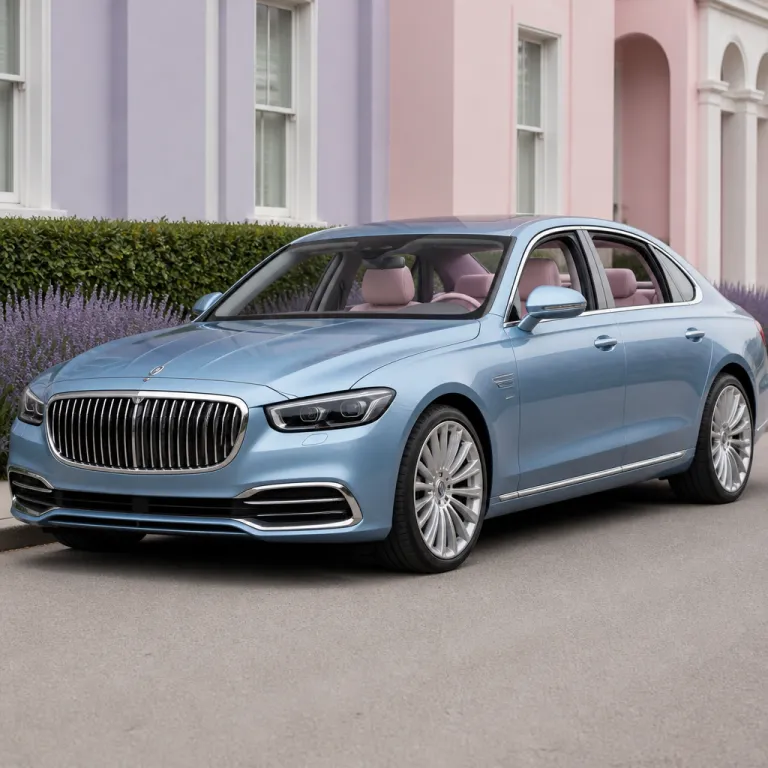
Luxury car configuration and resale value: how to spec for future demand
The safe spec myth and why configuration is your hidden asset
Most owners assume a neutral configuration guarantees strong resale value for a luxury car. In reality, the way you spec a car or multiple cars can quietly destroy future demand while still looking tasteful in the showroom. A supposedly safe configuration can leave you with a beautiful vehicle that the next driver simply does not want to pay for.
When you are starting a build, every click in the configurator will either support future trade-in value or erode it. The most effective luxury buyers treat configuration as a financial instrument, weighing each option against likely market appetite and real-world desirability in their zip code. That is how you end up with cars aligned to market taste rather than just dealer enthusiasm.
Think of each choice as a line on a balance sheet that affects resale and long-term value retention. A full-size SUV starting at a high price can still be the best value if its specification mirrors what pre-owned buyers actually hunt for. The same logic applies to a coupe, a sedan, or an electric car, because all vehicles live or die on how easily the next owner can imagine themselves in your spec.
Across brands, certain models are more forgiving when you push the configuration envelope. A Mercedes-AMG sedan or BMW M coupe can carry bolder interiors than a conservative Mercedes-Benz E-Class or GLE SUV without killing residual values. Range Rover models sit in the middle; they reward tasteful individuality but punish eccentricity that feels like a one-off vanity project.
Luxury electric cars add another layer, because technology ages faster than leather and paint. Here, the most resilient configuration is often the one that keeps the car visually timeless while loading it with the right driver-assistance and battery options. The market has learned to separate fashion from function, and your resale outcome follows that distinction with ruthless clarity.
Color, paint and trim choices that move the resale needle
Paint is the single most emotional part of a car, yet it is also the most unforgiving for long-term value. Classic non-metallic or subtle metallic shades on sedans and SUVs tend to protect resale, while certain heritage or motorsport colors on coupes can actually lift prices above original sticker. The wrong experimental hue on full-size vehicles, however, can trap you in a tiny pool of buyers and crush trade value.
Porsche has proved that historically significant colors and Heritage Design packages can turn a car into a collectible rather than just another pre-owned vehicle. In its 2020–2023 communications around the 911 Targa 4S Heritage Design Edition and subsequent Heritage Design models, the brand highlighted that limited cars in period-correct racing shades with matching interior details often achieve transaction prices above MSRP on the secondary market. When a 911 coupe wears a coherent historic livery, the market frequently treats it as one of the cars best positioned to appreciate. That same logic is now bleeding into luxury electric models, where restrained palettes with subtle contrast roofs age better than shouty gradients.
Ultra-bespoke work, such as the Rolls-Royce Spectre commission unveiled in 2023 with a 180-piece veneer portrait in 22 natural wood shades and requiring four months of craftsmanship, shows how extreme personalization can create long-term collector interest. Those one-off vehicles sit in a different league, closer to art than transport, and they obey their own depreciation rules. For most buyers of Mercedes-Benz, BMW, or Range Rover models, the smarter play is to choose paint and trim that feel special yet still recognisably factory.
On Mercedes-AMG models, deep blues, silvers, and understated matte finishes tend to hold value better than short-lived fashion colors. BMW M cars and large luxury SUVs respond well to classic motorsport-inspired shades, but neon accents or clashing interior trims can scare away otherwise keen drivers. When you spec a luxury electric SUV starting at a premium price, think about how that color will look in five winters, not just under the showroom lights.
Trim choices matter as much as paint, especially on Mercedes-Benz C-Class and E-Class sedans and full-size SUVs. Open-pore woods, dark brushed metals, and high-quality leathers signal serious intent without dating the cabin, while wild contrast stitching or novelty materials can age quickly. Hyper-luxury brands now live in a separate universe, and understanding this divergence in configuration strategy is essential for anyone comparing mainstream premium models with the truly rarefied segment; for a deeper dive into that hyper-luxury divergence, see this analysis on why Ferrari, Bugatti and Rolls Royce now operate in a different industry.
Options that should be non negotiable for future buyers
Certain options are not indulgences; they are insurance policies for future resale. Sport and performance packages on coupes, intelligent driver assistance on sedans, and adaptive suspension on SUVs are now expected by informed buyers. Skip them and your car becomes harder to sell, no matter how low the price drops.
On Porsche models, Sport Chrono has become a de facto must-have for anyone who cares about both driving and residual value. A 911 or Panamera without it may still be a fine vehicle, but the market quietly penalises such cars when they reach the pre-owned listings. The same pattern appears on Mercedes-AMG and BMW M models, where missing performance or technology packs can wipe thousands from trade value overnight.
For Mercedes-Benz C-Class, E-Class and GLE or GLS SUVs, comprehensive driver-assistance suites and high-resolution digital displays now sit in the non-negotiable column. Buyers of these vehicles expect a certain level of luxury tech sophistication, even when the car itself is not an electric vehicle. When those systems are absent, the resale conversation quickly turns to discounts and compromises rather than desire.
Electric cars introduce another layer of must-have options, particularly around battery size and charging capability. A luxury electric SUV starting with a smaller battery may look attractive on paper, but the most robust spec usually includes the larger pack and faster charging hardware. Future drivers value range and convenience more than marginal savings on the original invoice.
Financial services teams at premium dealers understand these patterns, because they see which configurations retain the strongest values at the end of leases. Internal data from major European groups such as BMW and Mercedes-Benz Financial Services, shared in 2022–2023 dealer briefings and summarised in their public residual-value outlooks, typically show that well-specced SUVs and sedans with popular color combinations and key technology packages can retain 5–15 percentage points more of their original price at trade-in than poorly configured equivalents. When you negotiate, ask explicitly how different option combinations affect projected resale and trade value in their internal données. For a deeper breakdown of how these configuration choices interact with leasing versus outright purchase, this guide on the real math beyond the monthly payment is a useful companion.
When to trust dealer allocations and when to go bespoke
Dealer allocations exist for a reason, and they can be powerful tools for protecting resale prospects. A well-specced stock car or SUV often reflects what sells fastest in that region, which means the configuration already matches local taste. For many buyers, especially those juggling multiple vehicles, taking a smart allocation can be wiser than chasing a fully bespoke build.
However, there are moments when you should override the allocation and lean into a more personal configuration. If you plan to keep a coupe or sedan for a long durée, adding options that enhance your daily-driver experience can matter more than marginal shifts in residual value. The key is to distinguish between options that enrich every journey and those that only look good on a spec sheet.
In markets where BMW, Mercedes-Benz, and Range Rover dominate the luxury landscape, dealers know exactly which models and trims move fastest. A full-size SUV starting with a family-friendly interior and restrained exterior will usually be among the cars best positioned for quick resale. That does not mean you must accept every stock choice, but it does mean you should understand why certain combinations repeat across their inventory.
Electric cars complicate the picture, because technology packages age at different speeds in different zip codes. In some areas, a luxury electric vehicle with modest equipment may still feel cutting edge, while in tech-heavy cities it can seem dated within a few years. Here, the best strategy is to spec slightly ahead of your local curve without drifting into gimmicks.
When you sit down with a dealer, ask to see historical data on resale performance for their pre-owned stock. A transparent shop will show which vehicles, colors, and option sets achieved the strongest prices relative to original MSRP. That level of openness, combined with tailored financial services advice, separates a true luxury partner from a simple order taker.
Wheels, brakes and the small details that buyers quietly pay for
Wheels are the handshake of a car, and they speak volumes about perceived value. Oversized rims on SUVs may look dramatic, but they often compromise ride quality and tyre costs, which future buyers factor into their offers. Under-specced wheels on performance coupes, on the other hand, can make an otherwise serious vehicle feel timid.
On Mercedes-AMG and BMW M models, the sweet spot usually sits one step below the largest wheel option. This size preserves stance and presence while keeping the car usable on real roads, which matters to any driver who actually covers distance. Full-size SUVs from Range Rover and Mercedes-Benz respond similarly, rewarding balanced wheel choices that respect both aesthetics and comfort.
Brake caliper colors are another small but surprisingly influential detail. Tasteful contrast calipers on performance models signal intent without shouting, and they often help cars best suited to enthusiasts stand out in pre-owned listings. Neon or clashing colors, especially on large luxury SUVs or sedans, can narrow your audience and chip away at resale value.
Other details, such as exterior black packs, chrome deletes, and de-badging, should be chosen with care. Factory-executed packages on Mercedes-Benz sedans or luxury electric SUVs tend to age better than aftermarket work, which can worry cautious buyers. When in doubt, choose reversible modifications so the next owner can return the vehicle to a more neutral state.
Inside the cabin, subtle upgrades like higher-grade leather, heated steering wheels, and premium audio usually support value retention. Overly specific personalisations, such as monogrammed headrests or unusual color combinations, can feel like someone else’s story rather than a blank canvas. The market rewards configurations that feel curated rather than customised for one person’s ego, because desirability lives not in the spec sheet, but in the way a car feels on the third corner of a wet Alpine pass.
Timing, maintenance and how to present your spec at resale
Even the best configuration needs careful stewardship to realise its full resale potential. A perfectly specced car or SUV can lose its edge if maintenance is sloppy or documentation is incomplete. Buyers of premium vehicles pay for confidence as much as they pay for leather and horsepower.
Timing your exit is as important as choosing the right options at the start. Many owners of electric cars and luxury electric SUVs aim to sell before a major technology refresh, preserving value before the next battery or infotainment generation arrives. For combustion coupes, sedans, and full-size SUVs, the sweet spot often sits just before a facelift or engine change, when your model still feels current but supply of newer cars is limited.
Presentation matters enormously when you finally list your pre-owned vehicle. A clean, well-detailed Mercedes-Benz or BMW with full service history and matching tyres will always command a stronger price than a similar car with patchy records. Range Rover buyers, in particular, scrutinise maintenance, because they know how unforgiving neglect can be on complex vehicles.
Location also shapes trade value, which is why your zip code quietly influences offers. In some regions, SUVs and large luxury crossovers dominate, while in others, sleek sedans and coupes remain the cars best suited to local tastes. Electric car demand can swing sharply between cities, so aligning your sale with regional appetite can add meaningful euros to your final cheque.
Before you sell, invest in a meticulous inspection and a seasonal refresh that addresses tyres, fluids, and cosmetic touch-ups. A structured post-winter checklist, such as the one outlined in this priority ordered spring reset for luxury cars, helps ensure your vehicle feels mechanically tight and visually fresh. When a prospective driver arrives and senses that level of care, the conversation shifts from haggling over every euro to recognising the underlying strength of your configuration.
Statistics that frame configuration and resale value
- Porsche reports that cars equipped with Heritage Design packages and historically significant racing colors can achieve resale prices above original sticker on the secondary market, especially for limited production models. In its 2020 press material for the 911 Targa 4S Heritage Design Edition and subsequent 2021–2023 Heritage Design releases, the brand cited strong collector demand and above-MSRP auction results as evidence.
- Rolls-Royce has highlighted a Spectre commission featuring a 180-piece veneer portrait using 22 natural wood shades and requiring four months of craftsmanship work, illustrating how extreme bespoke content can create long-term collector interest rather than standard depreciation. The commission was showcased in 2023 as part of the brand’s Bespoke Collective storytelling.
- CNN reported in a 2023 feature on luxury customization that demand is expanding beyond ultra-luxury marques into broader premium segments, driven by growing global wealth and a rising appetite for personalised vehicles across multiple markets. The piece noted that mainstream premium brands are rapidly increasing their bespoke and individualisation programmes.
- At the 2024 ModaMiami concours event, more than 400 rare automobiles were shown, with judges and collectors increasingly rewarding originality of specification and historically coherent configurations over simple option-list completeness. Coverage of the event highlighted that cars with period-correct colors and options often scored higher than over-restored or generically upgraded examples.
- Internal dealer financial services data in major European markets, shared in 2022–2023 manufacturer briefings and echoed in public certified-pre-owned reports, consistently show that well-specced SUVs and sedans with popular color combinations and key technology packages can retain 5–20% more of their original price at trade-in compared with poorly configured equivalents lacking those features.
FAQ about luxury car configuration and resale value
How much does configuration really affect luxury car resale value ?
Configuration can easily swing resale outcomes by tens of percentage points. Core factors include exterior color, interior trim, wheel size, and presence of key technology or performance packages. A thoughtfully specced vehicle that aligns with mainstream buyer preferences will almost always outperform an eccentric build at trade-in.
Which colors are safest for long term resale on luxury cars ?
Timeless shades such as black, dark blue, silver, and certain greys tend to protect value across sedans, SUVs, and coupes. Heritage or motorsport colors can work well on specific performance models when they match brand history. Extremely bright or unusual hues often narrow the buyer pool and can force larger discounts when selling.
Are expensive options like carbon ceramic brakes worth it for resale ?
High-cost performance options such as carbon-ceramic brakes rarely return their full cost at resale, unless fitted to very high-end or track-focused models. Enthusiast buyers may value them, but mainstream pre-owned customers often prioritise comfort, technology, and condition. For most owners, balanced performance packages and adaptive suspension offer a better mix of enjoyment and retained value.
Do electric cars depreciate faster than combustion luxury cars ?
Electric cars can depreciate quickly when battery technology or charging standards move fast, but strong brands with desirable designs and long-range packs are starting to hold value better. Luxury electric SUVs and sedans with larger batteries and comprehensive driver assistance tend to perform best. As infrastructure and buyer familiarity improve, well-specced electric models are narrowing the gap with traditional combustion vehicles.
Should I follow dealer allocation specs or build my own configuration ?
Dealer allocation specs are usually optimised for local resale, making them a safe baseline for most buyers. Building your own configuration makes sense when you understand which options the market expects and which are purely personal indulgences. A good dealer will share historical resale data so you can adjust allocations intelligently rather than guessing in the configurator.