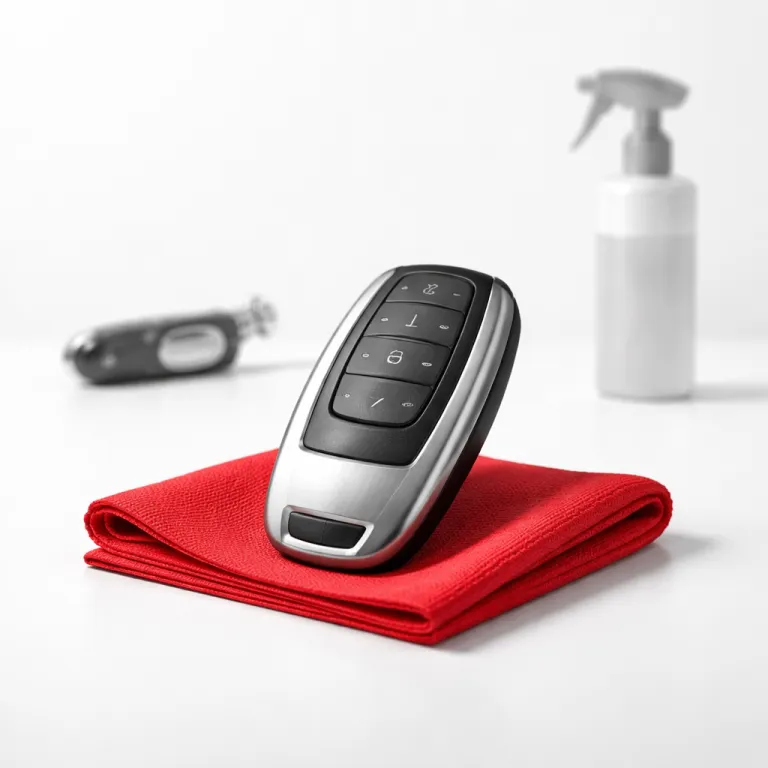
Start your luxury car spring maintenance checklist with a proper decontamination
Spring is when a luxury car finally steps out of winter weather exile. Before any detailing or paint correction, your first task in a serious luxury car spring maintenance checklist is a meticulous wash that removes every trace of road film and embedded grit. Think of it as clearing the canvas before you touch the paint, because any shortcut here will etch itself into the clear coat over time.
Step 1 (30–45 minutes, around $20–$60 in products): Touchless pre-rinse and safe wash
Begin with a touchless pre rinse to remove salt and loose dirt from the vehicle, then use a pH neutral shampoo with a two bucket method and separate mitts for lower panels where winter grime collects. Plan on a pressure washer or hose with a fan nozzle, two grit guard buckets, quality wash mitts, and dedicated wheel brushes. This is the moment to remove salt from wheel arches, suspension arms, and brake components, especially on cars like a Porsche 911 Turbo or a Mercedes AMG GT that run wide tires and exposed performance hardware. A careful system check of exterior lighting, parking sensors, and cameras while the car is still wet helps you ensure that no winter debris is hiding in housings or blocking ultrasonic sensors. Always follow the safety guidance in your owner manual and stop DIY work if you are unsure about electrical connectors or exposed wiring.
Step 2 (20–30 minutes, around $30–$80 in tools): Paint decontamination and hidden areas
Once the body is clean, run your fingertips lightly over the paint to check for roughness that signals bonded contaminants, then use a fine clay bar or synthetic clay mitt with plenty of lubricant. Only after this decontamination should you consider machine polishing, ceramic coating, or a premium wax, because working on a dirty surface will grind particles into the clear coat and compromise long term gloss. This is also a good time to clean door jambs, fuel filler areas, and soft close door latches, where neglected grime can interfere with electronics and quietly erode resale value. Keep microfiber towels, detailing brushes, and a gentle all purpose cleaner on hand so you can work methodically from roof to sills without reintroducing grit, and consult professional detailers for machine polishing if you are not experienced with thin clear coats.
Tires, brakes and steering feel: where spring car safety meets performance
Once the bodywork is safe, the next stage of any serious maintenance checklist is the contact patch and the stopping hardware. Luxury performance cars rely on precise tire pressure and fresh rubber to translate power and steering feel into confidence, so spring is a good time to retire winter tires and refit the correct summer or three season set. Leaving winter tires on in warm weather dulls steering response, increases stopping distances, and chews through soft compounds that were designed for cold asphalt.
Step 3 (45–60 minutes at a shop, typical mount and balance from $150–$400): Seasonal tire change and inspection
Have an OEM focused specialist handle the swap on cars with large wheels and carbon ceramic brake systems, because low profile tires on 21 inch rims can hide sidewall bubbles and bent barrels that a quick chain shop glance will miss. Ask the technician to measure tread depth across the full width of each tire, then compare inner and outer readings to check for alignment issues that may have developed over rough winter roads. During the same visit, request a full brake inspection that includes pad thickness, rotor condition, and a visual check of brake fluid lines and fittings for corrosion or impact damage. Confirm that wheel bolts or nuts are torqued to the specification in your owner manual, which for many performance sedans is in the 110–140 Nm (80–103 lb ft) range, and never guess torque values.
Step 4 (10–15 minutes, under $50 for gauge and inflator): Tire pressures and steering feel
On a modern BMW M5 or Audi RS 7, the steering system and power steering calibration are tuned around specific tire sizes and pressures, so verify that the shop follows the owner manual values rather than generic tables. Keep a digital tire gauge and portable inflator in the garage so you can match the cold pressure figures printed on the door jamb or fuel flap, which for many high performance luxury cars typically fall between about 2.2 and 2.6 bar (32–38 psi) depending on load. Use a quality gauge at home to check tire pressure weekly through spring, because temperature swings can shift readings by several tenths of a bar and subtly change the way the vehicle turns in. If you notice any vibration under braking, a pull in the steering wheel, or a soft pedal feel, book a dedicated service appointment for a deeper system check before your next high speed driving weekend and avoid further spirited driving until the cause is identified.
Fluids, filters and underbody care: the invisible side of spring car maintenance
With the rolling hardware sorted, the third pillar of a luxury car spring maintenance checklist is the network of fluids and filters that quietly keep the engine and transmission happy. Spring is a good time to schedule a car maintenance service that goes beyond an oil change and includes a structured review of all fluid levels under real world conditions. Ask your service advisor to walk you through what is being checked and why, because understanding the logic helps you avoid both over servicing and false economies.
Step 5 (60–90 minutes at a workshop, often $250–$600 depending on brand): Engine, transmission and brake fluids
On a high output V8 or turbocharged six, insist on a visual inspection of engine oil for contamination, then confirm that the correct specification is used, as many performance engines are sensitive to viscosity and additive packages. Refer to the owner manual or official service documentation for the exact oil grade, transmission fluid type, and change intervals recommended for your model, such as 0W-30, 0W-40, 5W-30, or 5W-40 fully synthetic oils that meet the manufacturer approval listed in the handbook. Have the workshop test brake fluid for moisture content, inspect steering fluid or electric power steering components, and verify that transmission fluid is at the proper level and temperature if your vehicle has a serviceable automatic or dual clutch gearbox. While the car is on the lift, ask them to clean the underbody, remove salt from subframes and suspension pick up points, and perform a system check of exhaust hangers, heat shields, and plastic undertrays that may have been damaged by winter debris, following the jacking and lifting instructions in the official manual.
Step 6 (15–30 minutes, filters typically $40–$200): Air and cabin filters plus simple home checks
Do not neglect the air filter and cabin filter, because both have a direct impact on performance, refinement, and fuel efficiency during spirited spring driving. A clogged engine air filter can sap power and throttle response, while a dirty cabin filter strains the climate control system and lets pollen accumulate in vents, which is particularly unpleasant in a Bentley Continental or a Range Rover with pale leather. At home, you can periodically check visible fluid levels such as washer fluid for the wiper blades and coolant expansion tanks, but leave any adjustment of transmission fluid or complex hydraulic systems to professionals who know the specific maintenance tips for your marque. Use the maintenance section of the owner manual as a checklist so you can track which items have been inspected, topped up, or replaced, and stop work immediately if you see warning lights, leaks, or signs of overheating.
Cabin, convertible tops and weekly rituals that keep luxury feeling new
The final stage of a thoughtful luxury car spring maintenance checklist is the space you actually inhabit, and the parts you touch every drive. Soft leathers, Alcantara headliners, and open pore wood react badly to harsh cleaners, so spring is the right time to choose products that clean gently while preserving the natural finish. Always test on a hidden area first, then work panel by panel with microfiber towels rather than generic sponges that can drag grit across delicate surfaces.
Step 7 (30–45 minutes, around $40–$120 in care products): Interior detailing and material care
Convertible owners should give the roof its own maintenance checklist, because a fabric top on an Aston Martin Volante or a BMW 8 Series needs different care from a folding metal roof. Start with a low pressure rinse to remove loose dust, then use a dedicated fabric cleaner and soft brush, taking care to keep aggressive chemicals away from rubber seals and glass. Once dry, apply a quality water repellent treatment and inspect all drainage channels around the rear deck and A pillars, because blocked drains can send water into the cabin and quietly ruin electronics hidden beneath carpets. If you are unsure how to access drains or remove interior trim without damage, rely on a specialist trimmer or dealer workshop rather than experimenting.
Step 8 (10–20 minutes weekly, minimal ongoing cost): Simple rituals and functional checks
Make a simple weekend routine that fits your driving life, with a quick exterior rinse, a tire pressure check, and a fast interior tidy that removes grit before it abrades leather bolsters. Use this time to operate every window, sunroof, and seat function, listening for hesitations that suggest it is time for a professional service visit before peak summer heat. Treat these rituals less as chores and more as a way to stay in tune with the vehicle, because the best maintained luxury cars feel cohesive not just on the first spring drive, but on the third corner of a wet mountain pass when everything matters. Record dates, mileage, and any issues in a simple log so you can discuss patterns with your service advisor and keep your maintenance history transparent.
Key statistics on luxury car spring maintenance and ownership
- Data from premium tire manufacturers, including Pirelli’s published technical guidance on seasonal tire performance and changeover thresholds, indicates that winter tires can wear significantly faster when used in warm spring conditions, which makes timely seasonal changes essential for both safety and cost control. For specific figures on wear rates and temperature limits, refer to the official Pirelli technical documentation for your tire line, available through the brand’s technical data sheets and owner resources.
- Independent detailing guidance and training material from organizations such as the International Detailing Association report that vehicles with regular decontamination and paint protection tend to retain a visibly higher gloss level for at least two to three years compared with untreated cars stored in similar conditions, as documented in their published best practice resources and certification course material.
- Internal reporting from luxury brand dealerships and service departments suggests that a structured spring maintenance checklist can help reduce the likelihood of unplanned workshop visits by catching fluid leaks and tire damage early, although exact percentages vary by brand, mileage, and regional climate and should be confirmed with your specific dealer network.
- Owner surveys in the high end segment consistently show that cars with complete seasonal maintenance documentation can command resale premiums of several percentage points over similar models with patchy histories, especially when supported by stamped service books, digital service records, and itemized invoices from authorized workshops that verify work carried out.
Frequently asked questions about luxury car spring maintenance
How soon after winter should I switch from winter tires on my luxury car ?
You should plan to remove winter tires once average daytime temperatures stay consistently above about 7 °C, because the soft compounds are designed for cold asphalt and lose grip as roads warm. For powerful vehicles with sophisticated stability systems, running winter tires into late spring can blunt steering precision and increase stopping distances. Book the changeover early with a specialist who understands low profile tires and large wheels, and use the tire pressure and load tables in your owner manual to confirm the correct settings for your typical driving and passenger load.
What fluids are essential to include in a spring service for a high end vehicle ?
A proper spring service should at minimum review engine oil, brake fluid, coolant, and any steering fluid or transmission fluid that is serviceable on your specific model. Luxury cars often run high performance engines and complex gearboxes, so confirming correct specifications and fluid levels is more important than simply changing everything on a fixed schedule. Ask your service advisor to explain which items are being inspected versus replaced, and always cross check the plan against the owner manual section that lists approved fluids, viscosities, and service intervals.
Can I handle spring car detailing myself, or should I always use a professional ?
Many owners successfully manage basic spring car detailing at home, including a careful wash, decontamination, and interior clean using quality products. However, machine polishing, ceramic coatings, and deep leather restoration on a luxury cabin are best left to experienced detailers who understand thin clear coats and delicate materials. A good compromise is to perform weekly light maintenance yourself and schedule a professional detail once or twice a year to reset the finish, following any brand specific care instructions in your vehicle handbook.
How often should I check tire pressure and tread depth during the spring driving season ?
Checking tire pressure at least once a week is sensible for powerful luxury cars, because temperature swings and enthusiastic driving can shift readings quickly. Tread depth should be measured at the start of the season and again before any long road trip, with particular attention to inner shoulders on wide performance tires. If you notice uneven wear, vibration, or changes in steering feel, arrange an alignment and full system check rather than waiting for the next scheduled service, and record the readings so you can compare them with the reference values in the owner manual.
What interior areas are most vulnerable after winter, and how should I protect them ?
After winter, the most vulnerable interior areas are leather seat bolsters, carpets near the pedals, and door sills where grit and moisture accumulate. Use a vacuum with soft attachments to remove particles, then apply a dedicated leather cleaner and conditioner that will not leave a glossy, slippery finish. Protect carpets with quality mats and consider a light fabric protector on high traffic areas, especially if you often drive with wet shoes or carry winter gear in the cabin, and note any brand specific recommendations in the care and cleaning section of your owner manual.
References
- Pirelli technical guidance on seasonal tire performance and changeover best practices, including recommended temperature thresholds, wear considerations, and tire specific recommendations available through official Pirelli technical documents and product data sheets
- BMW and Mercedes Benz official owner manuals for model specific maintenance schedules, approved fluids, and tire pressure charts, accessible via the brands’ official online manual portals and in vehicle documentation
- International Detailing Association recommendations on paint decontamination, protection, and long term gloss preservation, as outlined in their published training materials and best practice guidelines for professional detailers