Understanding how long premium paint protection film really lasts
Owners of high value cars often ask how long does PPF last in demanding daily use. When a premium paint protection film is correctly installed on a luxury car, the realistic lifespan usually ranges from five to ten years under normal driving conditions, which aligns with durability figures published by leading manufacturers such as XPEL, SunTek, and 3M in their technical data sheets. That film lifespan depends on the quality of the protection film, the climate conditions, and how carefully you handle routine maintenance.
Think of PPF as a transparent armour that absorbs scratches, stone chips, and chemical stains before they reach the paint. The way this protection works explains why a film lasts years on a grand tourer that mainly drives on clean motorways, yet the same film lasts fewer years on a car that faces gravel roads and harsh winters. When you evaluate how long the film lasts on your own car, you must weigh mileage, storage conditions, washing habits, and even how often you park under trees that drop sap on the paint.
Modern PPF is usually made from either premium TPU or more basic PVC films, and this material choice strongly influences how long the PPF lifespan will be. Premium TPU films are more elastic, resist yellowing better, and generally last years longer than cheaper PVC films that can harden and crack sooner. For a luxury car, the small extra PPF cost of premium TPU protection film is justified because the film lasts longer, keeps the paint looking younger, and supports the car’s long term resale value.
Material differences that decide how long the film will last
When you ask how long does PPF last on a luxury car, you are really asking how the underlying chemistry of the film behaves over time. Thermoplastic polyurethane, usually called TPU, is the benchmark for premium PPF films because it combines flexibility, optical clarity, and strong resistance to scratches and stains. In contrast, PVC films are cheaper and stiffer, so their film lifespan is shorter and they are more likely to show cracks or yellowing after several years.
Premium TPU films often include a self healing top coat that softens under heat, which allows light scratches to disappear and helps the protection last years without looking tired. This self healing layer also means the film lasts longer before you see swirl marks that would otherwise dull the paint on a dark coloured car. When you compare TPU films with PVC films in real conditions, TPU usually delivers a longer lifespan PPF result, especially on cars that are washed frequently or driven at high speed where stone impacts are common.
For owners who care about long term value, the extra PPF cost of a premium TPU protection film is usually offset by higher resale prices and lower paint repair bills. If you plan to keep the car for many years premium, choosing a high quality films package from a reputable installer is more rational than saving a little on basic PVC. This is also the moment to decide whether you want to combine paint protection film with a ceramic coating on top, because that combination can help the film last longer by reducing surface contamination and easing maintenance.
Once the factory warranty ends, many owners wonder whether to visit a dealer or an independent specialist for ongoing care of both paint and PPF. For complex luxury models, an experienced independent workshop that understands detailing and bodywork can be a strong choice, as explained in this guide on where to service a luxury car after the warranty ends. A workshop that regularly works with premium TPU films and ceramic coating systems will better understand how long the film lasts in your specific conditions and can advise when replacement becomes sensible.
To put the material differences into context, leading manufacturers such as XPEL, SunTek, and 3M publish technical data sheets that specify expected durability in various climates. These documents typically rate TPU-based paint protection film for up to ten years of service in moderate environments, while PVC-based alternatives are often positioned as shorter term solutions for three to five years of use on exposed panels.
Installation quality and its impact on PPF lifespan
Even the best premium TPU film will not last years if the installation is rushed or careless. Proper installation begins with meticulous paint preparation, including decontamination and polishing, because any defect trapped under the protection film can shorten the film lifespan and even damage the paint. A skilled installer will also remove or loosen trim pieces where necessary, allowing the film to wrap edges cleanly so that the PPF lasts longer and resists lifting.
When you evaluate how long does PPF last on your car, you must consider whether the installer used computer cut patterns or hand trimming near sensitive areas. Poorly cut films can leave exposed paint edges that collect dirt and encourage peeling, which means the film lasts fewer years and the protection becomes patchy. High quality films combined with precise pattern cutting and careful squeegee work create a tight seal, so the film lasts years without bubbles, silvering, or premature failure at the edges.
Ask your installer how they handle complex panels such as bumpers, mirrors, and side skirts, because these areas face the harshest conditions and often decide how long the PPF lifespan will be. On performance cars with aggressive aerodynamics, the airflow can lift weakly bonded edges, so the way the installation is done matters as much as the material itself. A reputable studio will also explain how long the film lasts under their warranty, what that warranty covers, and whether they recommend a ceramic coating on top to help the protection film shed dirt more easily.
After installation, the first days are critical because the adhesive is still curing and the film is vulnerable to damage. You should avoid washing the car, avoid high pressure water on edges, and keep the car away from heavy rain if possible, because these conditions can disturb the bond and reduce how long the film lasts. For owners who are particular about interior care as well, pairing exterior PPF with a disciplined cabin routine, such as the methods described in this guide to VinylClean mastery for luxury car interiors, creates a holistic maintenance strategy that preserves the entire vehicle.
Many accredited installers quote real world expectations alongside the official warranty. For example, a studio certified by a major brand might state that a full front TPU kit on a daily driven car averaging 20,000 kilometres per year typically looks its best for five to seven years, while the same film on doors and rear quarters can remain presentable for eight to ten years.
Real world conditions that shorten or extend PPF life
The question of how long does PPF last cannot be answered without looking at your driving environment. A car that spends most of its time in a cool, dry climate and sleeps in a garage will usually see the film last years longer than a similar car parked outside under intense sun. Ultraviolet radiation, acid rain, road salt, and industrial fallout all attack the protection film and gradually reduce the PPF lifespan.
Frequent motorway driving at high speed throws a constant stream of small stones and debris at the front of the car, which is exactly where paint protection film earns its keep. On such cars, the front bumper and bonnet films may need replacement after several years, while the side panels and roof film lasts much longer because they face fewer impacts. City cars face different conditions, with more tight parking spaces and more risk of light scratches from bags or clothing, which the film absorbs but which still slowly age the surface.
Climate also affects how long the film lasts because extreme heat can accelerate ageing of both TPU and PVC films. In very hot regions, premium TPU films with strong UV inhibitors and a ceramic coating on top tend to maintain clarity better, so the film lasts years without turning dull or yellow. By contrast, basic PVC films in the same conditions may show a shorter lifespan PPF result, with more visible edges and a chalky appearance that signals the end of their useful life.
Storage habits matter as much as driving conditions, especially for rare or collectible luxury cars. A climate controlled garage, regular washing, and prompt removal of bird droppings or tree sap can easily add several years premium to how long the PPF lasts on the paint. If you are planning a long road trip or extended use in harsh winter conditions, it can be wise to ask your installer whether adding extra protection film to vulnerable areas will help the film last longer and reduce the risk of paint damage.
As a practical guide, many high end detailers suggest planning for front bumper replacement every four to six years on a car driven more than 20,000 kilometres annually, with bonnets and mirror caps following a similar interval, while doors, rear quarters, and roofs often remain acceptable for seven to ten years depending on exposure.
Maintenance routines that help PPF last longer on luxury cars
Once the film is installed, your habits decide how long does PPF last before it needs replacement. Gentle hand washing with a pH neutral shampoo, soft mitts, and separate buckets for wheels and paint will help the protection film last years by reducing micro scratches. Avoiding aggressive brushes, harsh chemicals, and automatic car washes is essential because these conditions can shorten the film lifespan and even lift edges.
Many luxury owners choose to apply a ceramic coating on top of the PPF to make washing easier and extend how long the film lasts. A good coating does not replace paint protection film, but it adds a slick, hydrophobic layer that helps dirt and road film rinse away more easily, which means fewer wash induced scratches. When the surface stays cleaner for longer, the PPF lasts years with a clearer, glossier appearance, and the underlying paint remains better protected from chemical staining.
Regular inspections are part of smart maintenance, especially on high mileage cars. Every few months, check leading edges, wheel arches, and lower doors for lifted corners, deep scratches, or discolouration, because these signs indicate the film lasts fewer years in those zones and may soon need replacement. Addressing small issues early, such as replacing a damaged panel of protection film, prevents contaminants from creeping under the film and harming the paint, which would otherwise increase long term PPF cost through bodyshop repairs.
Professional detailing once or twice per year can also extend the lifespan PPF delivers on a luxury car. Detailers familiar with premium TPU films and PVC films know which products are safe and which should never touch the film, so they can clean, decontaminate, and refresh the surface without reducing how long the film lasts. When you combine careful home maintenance with periodic professional care, it is realistic for a high quality films package to last years beyond its basic warranty period, especially on cars that are not driven daily.
Some manufacturer care guides, such as those from XPEL and 3M, explicitly recommend pH neutral shampoos, avoiding petroleum solvents, and limiting abrasive polishing on the film, and following these instructions closely is one of the simplest ways to preserve clarity and extend usable life.
Cost, resale value, and when to replace ageing PPF
From a financial perspective, the key question is not only how long does PPF last, but how the investment compares with potential paint repair bills and resale value. On a luxury car, a full front paint protection film package often costs less than a single high quality repaint of a bumper and bonnet, especially when you factor in blending adjacent panels. When the film lasts years and prevents visible stone chips, the car presents better at sale time and often commands a higher price than similar cars without protection.
To judge whether the film lasts long enough to justify the PPF cost, divide the total price by the number of years premium you realistically expect from the installation. A premium TPU package that lasts eight years may work out cheaper per year than a budget PVC films package that needs replacement after only four years, especially if the cheaper film lasts fewer years before it looks tired. For collectors who care deeply about originality, keeping the factory paint untouched by resprays is often more valuable than the cost of several film replacements over the car’s life.
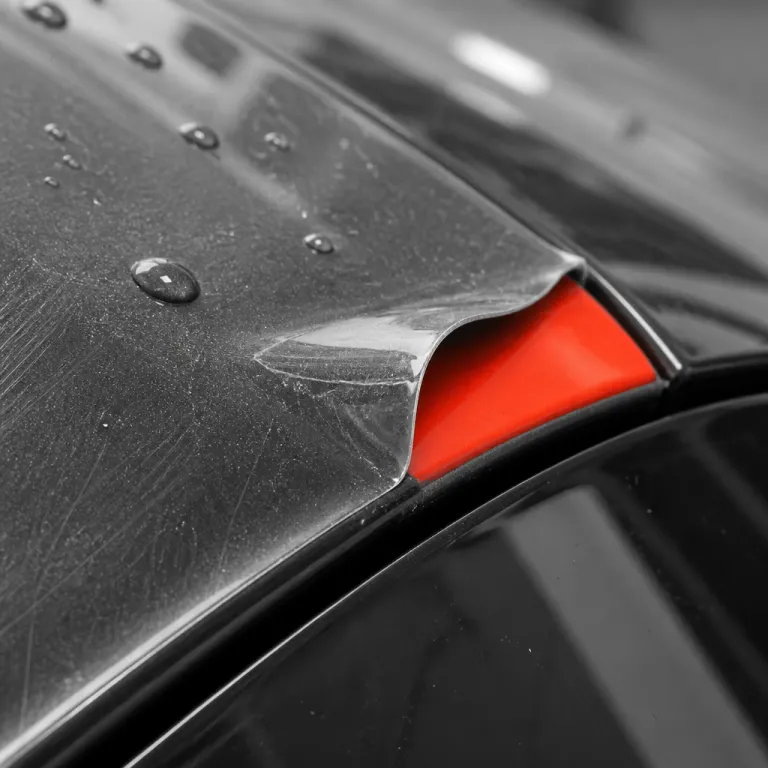
There comes a point when the film lasts long enough that it begins to show its age through yellowing, edge lifting, or permanent stains that no longer wash away. At that stage, the protection film may still shield the paint from new scratches, but it detracts from the car’s appearance and can even raise questions for buyers about how well the car was maintained. Removing old film and installing new premium TPU films restores clarity, refreshes the look, and resets the clock on how long the PPF lifespan will protect your investment.
When planning long term ownership, it is wise to align PPF replacement with other major cosmetic work, such as wheel refurbishment or interior detailing, to minimise downtime. If you are also considering a change of model, you can coordinate PPF replacement with a sale strategy, using resources such as this guide on how to approach a Land Rover Defender 130 for sale when you care about resale value as a framework for thinking about presentation. In every case, the decision to replace ageing film should balance remaining protection, visual appearance, and the expectations of the next owner in your segment of the market.
Specialist brokers who focus on marques such as Porsche, Aston Martin, and Bentley often note in their condition reports whether a car has documented PPF history, and they consistently report stronger buyer interest and firmer offers when the film is either recently installed or has been renewed shortly before sale.
Key statistics on paint protection film performance and longevity
- Independent detailing studios commonly report that premium TPU paint protection film on daily driven luxury cars maintains acceptable clarity for between five and ten years, while basic PVC films often show visible ageing after three to five years, especially on horizontal panels. These figures broadly match the durability ranges stated in manufacturer technical data sheets for products such as XPEL Ultimate Plus and 3M Scotchgard Pro Series.
- Industry surveys from major PPF manufacturers indicate that front end film on cars driven more than 20 000 kilometres per year typically requires replacement two to three years earlier than film on side panels, due to higher exposure to stone impacts and road debris.
- Data from high end detailing networks show that combining PPF with a professionally applied ceramic coating can reduce wash induced marring by up to around 40 percent over several years in controlled comparisons, which indirectly extends the aesthetic lifespan of the film by keeping the surface glossier.
- Resale analyses from specialist luxury car brokers suggest that vehicles with well maintained paint protection film often achieve sale prices between 3 and 7 percent higher than comparable cars without PPF, largely because buyers value original, chip free paint.
- Warranty terms from leading PPF brands typically range from five to twelve years against yellowing and cracking, but these figures assume proper installation and maintenance, which is why real world results can vary significantly between owners and climates.
As an illustration, XPEL Ultimate Plus and 3M Scotchgard Pro Series both carry manufacturer warranties of up to ten years in many markets, yet experienced installers frequently advise clients to budget for cosmetic replacement of high impact areas several years before the formal warranty period ends.
FAQ about how long paint protection film lasts on luxury cars
How many years can I expect my PPF to last on a daily driven luxury car ?
On a daily driven luxury car in a moderate climate, a high quality TPU paint protection film usually lasts between five and eight years before cosmetic ageing makes replacement desirable. The film may still protect against scratches beyond that point, but clarity and gloss often decline. Harsh climates, high mileage, and poor maintenance can shorten this timeframe by several years.
Does PPF last longer if I add a ceramic coating on top ?
A ceramic coating does not change the underlying chemistry of the film, but it helps the surface stay cleaner and reduces wash induced scratches. This means the PPF often looks better for longer, so owners delay replacement because the film remains glossy and clear. In practice, many detailers see coated films maintain a more attractive appearance for one to three additional years compared with uncoated films under similar conditions.
How do I know when my paint protection film needs to be replaced ?
Clear signs that PPF is nearing the end of its useful life include yellowing, persistent haze, cracks, or edges that lift and collect dirt. If deep scratches no longer self heal with warmth or if stains from bird droppings remain visible after cleaning, the top coat is likely exhausted. At that stage, replacement is advisable to restore both appearance and reliable protection.
Is it safe to remove old PPF from original luxury car paint ?
When removal is done by an experienced professional using controlled heat and proper techniques, high quality PPF can usually be taken off without harming original paint. Problems arise mainly with very old or low quality films that have become brittle, or with repainted panels where adhesion was poor. If you suspect previous paintwork, ask a specialist to inspect the car before scheduling film removal.
Does PPF affect the resale value of a luxury car ?
Well maintained PPF generally supports resale value because it keeps the original paint in better condition and reassures buyers about careful ownership. Buyers in the luxury segment often prefer cars with documented PPF installation and maintenance, especially on vulnerable front end panels. However, neglected or heavily yellowed film can have the opposite effect, so timely replacement is important when preparing a car for sale.
