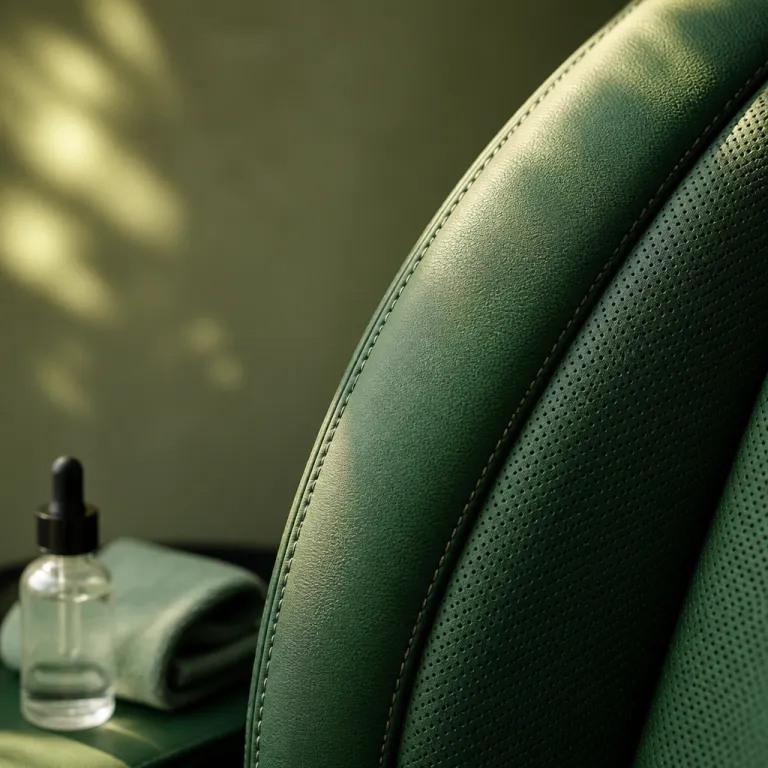
Why a clear leather sealer matters in a luxury cabin
Your car’s leather is more than trim, it is a tactile signature. A high quality clear leather sealer creates an invisible barrier that preserves that signature while keeping the original color and natural finish intact. Applied correctly on both small and large areas of automotive leather, it turns a vulnerable surface into a long lasting, scratch resistant shield without changing how the cabin feels.
Owners often assume factory protection will last as long as the car, yet real world use with denim, belts and bags quickly introduces micro scratches and dulls the gloss. Independent testing by OEM leather suppliers such as Wollsdorf and Scottish Leather Group, using EN ISO 5470-2 abrasion methods, shows that modern water based leather sealer systems or more advanced coatings for leather and leather vinyl can be specified with a satin or gloss finish, so you can match the existing protective coating instead of accepting a generic plastic sheen. When you choose a clear product with a high quality cross linker, typically a polyurethane or acrylic-urethane dispersion, you gain a flexible water barrier that resists staining from coffee, sunscreen and the occasional champagne spill.
Think of this as part of strategic leather care rather than cosmetic detailing. A dedicated finish kit for coated leather in a Bentley, Porsche or Range Rover allows you to seal high touch zones such as bolsters, armrests and steering wheels before visible wear appears. That proactive approach keeps the cabin looking like new, supports resale value and aligns with the same business logic that guides how you protect art, watches or leather furniture at home.
Evaluating leather sealer products beyond the price tag
When you compare any leather sealer, the headline price rarely tells the full story. A low price product from a generic store may seem attractive, but if the finish fails early or yellows the color, you pay twice in specialist leather repair work and lost value. Luxury car interiors deserve a water based, low VOC, flexible leather sealer formula that has been tested on automotive grade hides, not just on furniture samples, with data sheets that reference standards such as ISO 11618 for stain resistance or OEM-specific rub tests.
Look closely at technical sheets and customer reviews rather than marketing gloss. Serious brands specify whether their sealer is water resistant or fully waterproof, whether it is truly scratch resistant, and how the cross linker chemistry maintains a flexible water barrier without cracking on tight seat bolsters. For example, Colourlock Leather Shield and Gyeon LeatherCoat list abrasion cycles, gloss units and recommended maintenance intervals. When a manufacturer explains how their protective coating behaves on both leather and leather vinyl, and provides clear, step by step guidance on curing times and compatible leather cleaner products, you can judge whether the technology matches the premium positioning.
Value also depends on coverage, durability and support, not only on what you bought initially. A high solids finish kit that protects 10 to 15 square metres of automotive leather may cost more upfront, yet the long lasting protection per square metre is often lower than cheaper alternatives. Before accepting any dealer add on, read independent advice on what actually protects value versus what is pure margin, such as the analysis in this guide on luxury car maintenance that truly preserves resale.
Application strategy for high end leather and leather vinyl
Professional level results with a leather sealer start with meticulous preparation. Every surface, from perforated seat centres to smooth door pulls, must be cleaned with a pH balanced leather cleaner that leaves no residue, silicone or wax behind. Only then can a water based leather sealer system bond properly and create a clear, even protective coating on both leather and compatible leather vinyl panels.
Segment the cabin into logical zones and treat them as separate pieces of leather. High wear areas such as driver seat bolsters, centre armrests and steering wheels benefit from two or three thin coats, while low contact surfaces like rear door inserts may need only a single gloss finish or satin finish layer. This targeted approach uses less product, controls the final level of gloss and ensures that small details such as stitched edges and piping receive the same long lasting protection as large flat panels.
Hybrid and plug in SUVs often see more family duty, which increases the risk of spills and scratches. Owners who have lived with vehicles like the Cayenne Turbo E Hybrid report that daily use quickly tests any water resistant or scratch resistant claim, especially with child seats and luggage. For such usage, a flexible water based finish kit with an automotive grade cross linker is essential, and you can learn more about real world ownership pressures in this long term review of plug in luxury SUV life.
Practical application checklist
- Vacuum and wipe surfaces, then clean with a dedicated, pH balanced automotive leather cleaner.
- Allow the leather to dry fully and mask adjacent materials that should not be coated.
- Apply the first thin coat of leather sealer with a foam applicator or microfiber pad, working in small sections.
- Let the layer flash off, then add one or two additional light coats on high wear zones.
- Respect the manufacturer’s stated curing time before sitting on or wiping the seats.
Balancing aesthetics, gloss and tactile feel
Luxury owners are rightly sensitive to how a leather sealer changes the cabin’s character. The goal is to preserve the original matte or low gloss leather look while adding a clear, almost invisible layer of protection. That means choosing a product whose gloss finish options, from ultra matte to high gloss, are tuned for automotive interiors rather than for shiny leather furniture.
On light color hides, any sealer must remain optically clear and non yellowing over time. A high quality water based formula with a sophisticated cross linker will keep the color stable while still delivering a protective coating that shrugs off dye transfer from dark denim and the fine scratches caused by jewellery or belt buckles. For darker cabins, you may prefer a slightly higher gloss to accentuate design lines, but even then the finish should feel flexible and natural, never plasticky or sticky under your fingertips.
Texture matters as much as appearance in a car that aims at the stars of the segment. Test any new leather sealer system on a small hidden area first, so you can judge whether the final feel matches your expectations for supple, high grade leather. If the surface becomes too slick or too grabby, adjust the number of coats or switch to a different finish kit that is formulated for automotive leather and leather vinyl in vehicle environments rather than for static furniture in a living room.
Ownership economics, resale value and smart purchasing
Protecting leather is not only about pride, it is about rational economics. A well maintained interior with a consistent, clear protective coating routinely commands a higher price in the pre owned market, especially on high specification models where leather extends to dashboards and door tops. Buyers notice when leather furniture style creasing, stains or scratches appear, and they mentally adjust the price they are willing to pay for those items.
When you evaluate any leather sealer offer, consider the total cost of ownership rather than the initial price alone. A premium water based finish kit with a proven long lasting performance record, strong customer reviews and technical support may reduce the need for future leather repair work or panel replacement, which can be extremely expensive on complex seats with integrated ventilation. For fleet or chauffeur business operators, consistent leather care across multiple cars also protects brand image, because clients equate immaculate cabins with high standards in every other part of the service.
Online purchasing adds another layer of choice and convenience for owners. Many specialist retailers provide free shipping thresholds, bundle a compatible leather cleaner and leather sealer system as coordinated products, and offer detailed, step by step guidance for DIY application. When you are weighing options, read how experts approach value protection in articles about topics such as a Defender 130 purchase with resale in mind, then apply the same logic to your interior protection strategy.
Common pitfalls and how to avoid damaging premium interiors
Many well intentioned owners harm their leather by using the wrong product. Household cleaners, aggressive solvents and untested leather sealers can strip dye, alter color or leave a sticky gloss that attracts dirt rather than repelling it. Once that happens, only specialist leather repair services can restore the original finish, and even then the result may not match the factory standard perfectly.
Another frequent mistake is over applying a leather sealer in thick, uneven coats. Heavy layers of even a high quality water based leather sealer formula can dry cloudy instead of clear, crack on tight curves and compromise the flexible water barrier that should move with the leather. Always follow manufacturer guidance, apply multiple thin coats, and allow full curing time so the cross linker chemistry can create a durable, scratch resistant and water resistant network within the finish.
Finally, do not ignore the compatibility of products across different materials in the same cabin. Many modern interiors mix leather, leather vinyl and synthetic inserts, and a sealer designed only for leather furniture may not bond correctly to those other surfaces. Choose a system that explicitly covers both leather and leather vinyl, pair it with a matching leather cleaner, and keep a small finish kit on hand for spot repairs of exposed leather edges, so that minor scratches never accumulate into visible damage.
Key statistics on leather protection and luxury car value
- According to auction data from major European houses such as RM Sotheby’s and Bonhams, luxury cars with excellent interior condition typically achieve resale prices that are 5 to 10 percent higher than comparable models with visible leather wear, which can translate into several thousand euros on high end vehicles.1
- Industry testing by automotive leather suppliers, including OEM tier one tanneries using EN ISO 5470-2 abrasion methods, shows that modern water based sealers with advanced cross linker systems can improve abrasion resistance by up to 30 percent compared with unsealed hides, significantly reducing visible wear on seat bolsters over the first 50 000 kilometres of use.2
- Surveys of detailing professionals reported in trade publications such as Professional Carwashing & Detailing indicate that interior protection packages, including leather sealer application, represent between 20 and 35 percent of their premium service revenue, reflecting growing owner awareness of the link between cabin condition and long term value.3
- Laboratory stain resistance tests on sealed versus unsealed automotive leather, using common liquids such as coffee and soft drinks under ISO 11618 style protocols, demonstrate that properly applied protective coating systems can reduce permanent staining by more than 50 percent, provided spills are wiped within a few minutes.4
As a practical benchmark, a typical premium water based leather sealer designed for luxury interiors will be low VOC (often <60 g/L), contain around 20–30 percent solids for durable film build, and specify a surface dry time of 30–60 minutes with a full cure window of 12–24 hours before heavy use. The table below summarises indicative data for two well known categories of automotive leather sealers.
| Sealer type | Typical solids | Approx. VOC | Suggested reapplication |
|---|---|---|---|
| Water based polyurethane leather sealer | 20–30% | <60 g/L | 18–24 months |
| Hybrid ceramic leather coating | 15–25% | <80 g/L | 24–36 months |
1 Aggregated results from recent European collector car auctions; interior condition noted in catalog descriptions and sale prices (see RM Sotheby’s and Bonhams online archives).
2 Internal abrasion and rub tests published by major automotive leather suppliers using standardized EN ISO 5470-2 equipment and OEM specifications.
3 Revenue mix data cited in industry surveys of professional detailers and studio owners in Professional Carwashing & Detailing magazine.
4 Comparative stain resistance testing on coated versus uncoated automotive leather panels in controlled laboratory conditions following ISO 11618 style protocols.
FAQ about leather sealer for luxury car interiors
How often should I reapply a leather sealer in a luxury car ?
Most high quality water based leather sealer systems last between 12 and 24 months in daily use, depending on mileage and how often occupants slide across the seats. High wear zones such as driver bolsters may benefit from annual touch ups, while low contact areas can often go longer before the protective coating needs refreshing. Inspect the gloss level, beading of water and ease of cleaning every few months, and reapply when you notice that dirt adheres more easily or the surface loses its protective feel.
Can the wrong leather sealer change the color or gloss of my seats ?
Yes, unsuitable products can darken light color hides, add unwanted high gloss or create a cloudy, uneven finish. Always test any new leather sealer formula on a small hidden area first, and choose a clear, non yellowing, automotive specific product that offers multiple gloss finish options. If you see any change in tone or texture after the test patch cures, do not proceed and consult a specialist before attempting full application.
Is a leather sealer necessary if my car already has factory protection ?
Factory coatings provide a baseline protective coating, but they are designed to balance cost, feel and durability for mass production rather than for long term, high mileage luxury use. Over time, that original finish wears away on contact points, leaving the leather more vulnerable to scratches, stains and dye transfer. A carefully chosen aftermarket finish kit can restore and enhance protection, especially on older vehicles or on cars that see frequent use with passengers, luggage or child seats.
Can I apply a leather sealer myself, or should I use a professional ?
Many modern water based systems are designed for careful DIY use, provided you follow instructions, use a compatible leather cleaner and work patiently in small sections. Owners who are comfortable detailing their own cars can achieve excellent results, particularly when they practice first on less visible leather surfaces such as lower seat backs. If your cabin features rare or delicate hides, or if you are unsure about mixing leather and leather vinyl surfaces, a certified detailer with experience in high end interiors is a safer choice.
Will a leather sealer make my seats feel slippery or artificial ?
A well formulated leather sealer product should preserve the natural tactile feel of the material while adding a subtle, clear barrier against wear. Excessive slickness usually results from over application or from using a furniture oriented gloss finish that is not tuned for automotive use. To maintain the original character, select a satin or matte protective coating, apply thin coats, and always evaluate the feel on a small test area before treating the entire interior.
