Why luxury car glass demands a different approach to tint adhesive removal
Owners of high end cars quickly discover that learning how to remove window tint adhesive safely is very different from working on a basic commuter. The laminated window glass, complex sensors, and delicate glass tint layers around cameras and radar modules mean that any aggressive adhesive remover or careless scraper can compromise both aesthetics and safety systems. When planning tint adhesive removal on luxury car windows, you must balance effective cleaning with absolute respect for safe glass standards and the long term value of the car.
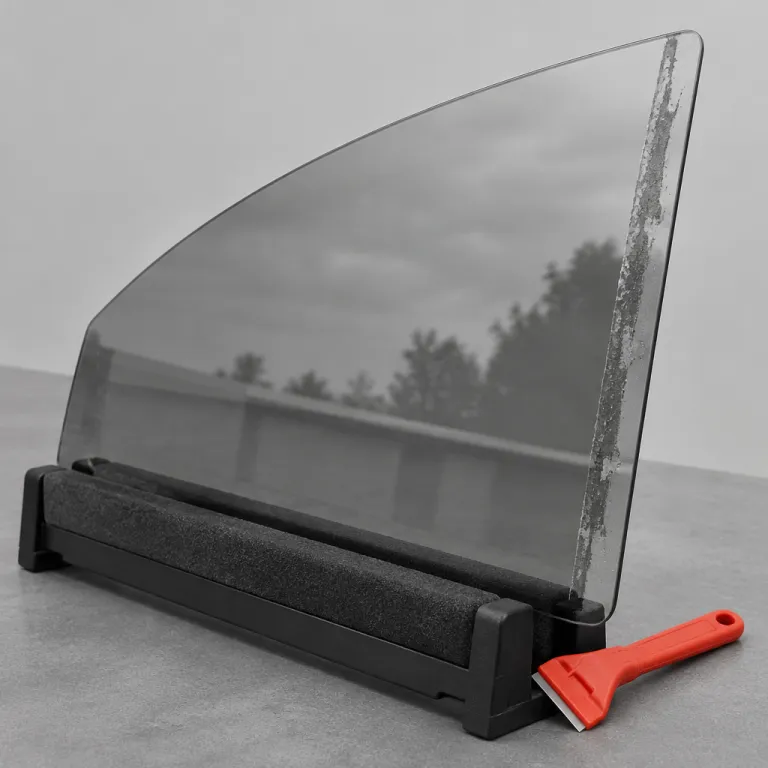
Factory window film and dealer film installation on premium models often sit extremely close to the edges of the window glass, so a metal scraper or razor blades used at the wrong angle can chip glass surfaces or mark surrounding leather and Alcantara. Even when the old window tint looks tired, purple, or bubbled, the glue residue left behind can still be bonded tightly to the glass, especially near heating elements and around curved car windows. This is why any plan to remove adhesive must consider the specific glass cleaning tolerances of heated rear windows, laminated windscreens, and side glass with integrated acoustic layers.
On many luxury coupés and SUVs, the price of a single replacement pane of window glass can exceed the cost of a full professional window tint job, so the risk of using the wrong scraper car tool or harsh cleaner is significant. A plastic scraper and a carefully selected adhesive remover product are usually safer than a bare razor blade, yet even plastic tools can scratch soft interior trims if you rush the removal. Before you remove window film or start cleaning window areas, protect leather, piano black plastics, and stitched dashboards from water and chemical run off.
Step by step method to remove window tint adhesive on luxury glass
Effective work on how to remove window tint adhesive starts with softening the glue rather than attacking it with blades. Begin by gently heating the window tint film with a controlled heat gun or hair dryer, keeping the air moving to protect safe glass laminates and nearby seals. As a rule of thumb, keep the heat source 10–20 cm from the surface and avoid exceeding roughly 65 °C (150 °F) on the inner glass to stay within typical automotive glass tint tolerances. Once the film is warm, lift a corner with a plastic scraper, then slowly peel the window film away from the car windows while maintaining steady heat to reduce residue.
After the film removal, you will see patches of adhesive and streaks of glue residue clinging to the window glass, especially near defroster lines and edges. Mist a dedicated adhesive remover product onto the glass surfaces, choosing a cleaner that is explicitly compatible with automotive glass tint and interior materials rather than a generic household remover. Well regarded examples in the detailing community include 3M Adhesive Remover, Goo Gone Automotive, and Gtechniq W7, all designed to loosen tint adhesive without attacking surrounding trims when used correctly. For owners who prefer a detailed walkthrough focused on luxury vehicles, the guide on refined methods to remove window tint glue from luxury car glass offers a complementary perspective on safe removal techniques.
Allow the adhesive remover to dwell for several minutes, then use a plastic scraper or a wrapped razor blade held almost flat to gently remove adhesive without digging into the glass. Keep the area lubricated with water or a mild glass cleaner during glass cleaning to prevent the blade from catching and to protect safe glass coatings. Wipe away dissolved residue with a microfiber towel, repeat the cleaning window process where necessary, and finish with a high quality glass cleaner to restore perfect clarity to the car windows. On a typical luxury saloon, expect 20–40 minutes per window for careful removal, depending on how long the tint adhesive has been in place.
Choosing tools and products that respect premium window glass
Tool selection is where many attempts at how to remove window tint adhesive go wrong, especially when owners underestimate how soft some luxury glass surfaces and interior trims can be. A bare razor blade can be effective on tough adhesive, yet on curved window glass or near ceramic frit borders it can leave micro scratches that only become visible under sunlight. For this reason, many professional window specialists prefer a plastic scraper or hybrid blades that combine a plastic edge with a thin metal core for controlled removal; popular examples include Lil Chizler style scrapers and hybrid blades from brands such as Triumph or Unger.
When choosing an adhesive remover product, read the label carefully and avoid anything that can attack tint adhesive on adjacent glass tint you plan to keep, such as privacy glass in the rear of the car. Solvent based remover formulas can be very effective on stubborn glue residue, but they must be used sparingly near leather, Alcantara, and soft touch plastics because overspray can stain or dull these surfaces. Water based cleaners are usually gentler, though they may require more dwell time and repeated cleaning window passes to fully remove adhesive from the glass.
High quality glass cleaner designed for automotive glass cleaning will leave fewer streaks and help you check for remaining residue under workshop lighting. If your windscreen already shows signs of pitting or wear, review guidance on how a pitted windshield affects the luxury driving experience before using any blades on that area. The price difference between a premium glass cleaner and a supermarket product is small compared with the value of maintaining flawless safe glass on a luxury car, so this is not the place to save a few euros.
Protecting sensors, trims, and resale value while removing tint adhesive
Modern luxury cars integrate cameras, lidar, rain sensors, and head up display projectors directly into the window glass, which complicates how to remove window tint adhesive safely. Any aggressive adhesive remover or misplaced scraper near these modules can interfere with calibration or leave marks that are visible through the projection area. Before starting removal, map every sensor and electronic component around the car windows and mask them with low tack tape and plastic film, extending the masking at least a few centimetres beyond the visible housing to catch stray remover or moisture.
Interior trims deserve equal attention, because water and cleaner run off can seep behind leather wrapped pillars, carbon fibre inserts, and suede headliners. Use minimal water during glass cleaning and place absorbent towels along the base of the window to catch any adhesive remover or dissolved glue residue before it reaches sensitive materials. When working near stitched leather dashboards, angle the plastic scraper so that any slip moves away from the trim rather than toward it, and never drag razor blades across exposed plastics.
Thoughtful removal of window film and tint adhesive also protects long term resale value, especially for rare models where originality matters. If you plan to sell or trade the car later, detailed records of professional window work, including film installation and removal invoices, reassure buyers that the window glass has not been abused with harsh blades or cheap products. For collectors studying complex listings, the guidance on how to read a high value listing and protect resale value illustrates how meticulous documentation of glass surfaces and tint work can influence the final price.
When to call a professional window specialist instead of doing it yourself
Some owners enjoy hands on maintenance, yet there are situations where how to remove window tint adhesive becomes a job for a professional window specialist. If the window film crosses over embedded antennas, fine heating elements, or complex curves, the risk of damaging the glass or leaving visible blade marks increases sharply. In these cases, a specialist with experience in luxury car windows will have the right scraper car tools, controlled heat sources, and adhesive remover products to complete the removal safely.
Professional studios often use specialized plastic scraper designs and precision razor blades mounted in ergonomic holders that maintain a consistent angle against the window glass. They also understand how different adhesive formulas behave under heat and water, allowing them to tailor the cleaning window process to each film installation rather than relying on a single method. This expertise is especially valuable when dealing with older tint adhesive that has baked onto glass surfaces over many summers and may resist standard glass cleaning techniques.
From a financial perspective, the price of professional removal is usually modest compared with the potential cost of replacing a damaged pane of safe glass or repairing scratched interior trims. Many detailers will also include a final glass cleaner treatment and inspection under bright lighting to ensure no glue residue remains at the edges of the car windows. For owners who value their time, delegating tint adhesive removal to a trusted atelier can be an elegant way to remove adhesive while preserving both the car and your schedule.
Preventing future adhesive problems with better film and maintenance choices
Once you have mastered how to remove window tint adhesive without harming your luxury car, the next step is preventing similar issues in the future. High quality window film from reputable brands uses more stable adhesive that is less likely to turn purple, bubble, or leave heavy residue on the window glass when it eventually needs removal. When discussing a new film installation with your installer, ask specifically about the adhesive type, expected durability, and how easily the film can be removed from glass surfaces after many years.
Regular glass cleaning with a pH neutral glass cleaner helps protect both the tint adhesive and the underlying safe glass by removing contaminants that can etch or stain. Avoid ammonia based cleaner products on tinted car windows, because they can dry out the adhesive and shorten the life of the window tint, leading to premature removal. Gentle cleaning window routines using microfiber towels, distilled water, and compatible cleaners will keep both glass tint and clear glass looking pristine while reducing the need for aggressive scraper work later.
When choosing where to park, consider how constant sun exposure accelerates adhesive aging and can increase the difficulty of future removal. Shaded parking, sunshades, and regular inspections of the film edges can help you identify early signs of failure before glue residue hardens on the window glass. By combining careful product selection, thoughtful maintenance, and timely intervention, you significantly reduce the likelihood of facing another complex remove adhesive project on your luxury car.
Key statistics on window tint, glass care, and adhesive removal
- According to the International Window Film Association (IWFA), quality automotive window film can block up to 99 % of UV radiation, which reduces interior fading and slows degradation of tint adhesive compared with non treated glass; this figure is published in IWFA technical bulletins for automotive film performance.
- Industry surveys of detailing studios, such as reports shared by the International Detailing Association and regional tinting associations, indicate that poorly installed or low grade window tint accounts for more than 60 % of adhesive removal jobs on premium cars, highlighting the importance of choosing reputable film installation services.
- Data from major glass manufacturers and insurer repair cost guides, including figures cited by Pilkington and Saint Gobain Sekurit in European market literature, indicate that replacing a single laminated luxury windscreen can cost between 800 and 2 500 euros, while professional window tint removal typically ranges from 150 to 400 euros, making careful adhesive removal a clear cost saving strategy.
- Consumer testing by named independent organisations, such as ADAC in Germany and Which? in the UK, has shown that dedicated automotive adhesive remover products can reduce tint glue removal time by up to 40 % compared with using only water and generic glass cleaner, without increasing the risk of damage when used correctly.
- Surveys of high end car owners by detailing associations and auction platforms, including feedback published by the International Detailing Association and Bring a Trailer market summaries, suggest that vehicles with clear, scratch free window glass and well maintained window tint achieve resale prices that are 3 to 5 % higher on average than similar models with visibly damaged glass surfaces.
FAQ – how to remove window tint adhesive on luxury cars
Can I safely use a razor blade on my luxury car windows ?
A razor blade can be used on automotive glass, but on luxury cars it must be held almost flat, lubricated with water or glass cleaner, and kept away from ceramic edges and sensors. Many professionals prefer plastic scraper tools or hybrid blades to reduce the risk of scratching window glass or damaging surrounding trims. If you are unsure about the glass type or coatings, consult a professional window specialist before using any blades.
Which adhesive remover is safest for tinted luxury glass surfaces ?
The safest adhesive remover for luxury car windows is a product specifically formulated for automotive glass and window film, clearly labelled as safe for tint adhesive and interior materials. Avoid strong household solvents, because they can stain leather, plastics, and Alcantara even if they remove adhesive effectively. Always test the remover on a small, inconspicuous area of glass tint or trim before treating the entire window.
How long does it take to remove window film and glue residue from a full car ?
On a typical luxury saloon or SUV, careful removal of window film and remaining glue residue can take between two and five hours, depending on the age and quality of the tint. Older films with degraded adhesive often require longer dwell times for the remover and more passes with a plastic scraper. Professional studios may complete the job faster thanks to experience and specialized tools, but they still allow ample time to protect safe glass and interior trims.
Will removing old tint affect the defroster lines on my rear window ?
Defroster lines are printed on the inner surface of the rear window glass and can be damaged by aggressive scraping or careless blade use. To protect them, always pull the window tint film parallel to the lines and use minimal pressure with a plastic scraper when removing adhesive near these areas. If the lines are already fragile or partially detached, professional window removal is strongly recommended.
Is it worth paying a professional to remove tint from a high value car ?
For high value or rare luxury cars, professional tint removal is often a wise investment because the price of expert work is small compared with the potential cost of replacing damaged glass or repairing scratched interiors. Specialists understand how to remove window tint adhesive while preserving sensors, coatings, and trims, which helps maintain both driving comfort and resale value. Detailed invoices and before after photos from a reputable studio can also reassure future buyers that the window glass has been treated correctly.