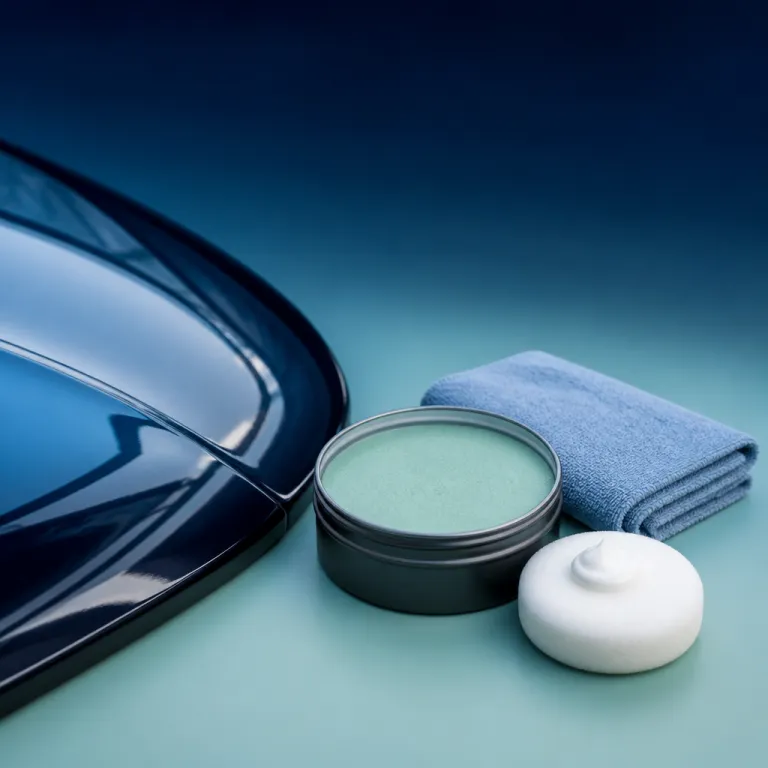
Why vegan car wax belongs in a luxury detailing routine
Luxury paintwork deserves a protection routine that respects both performance and ethics. When you choose a premium vegan car wax as your primary last step product, you align high gloss with cruelty free values and eco conscious expectations. This shift from traditional beeswax based car waxes to plant derived, largely natural formulations reflects how luxury ownership is evolving toward responsibility.
Conventional carnauba blends often rely on beeswax to soften the hardness of pure carnauba, yet many owners now seek a refined alternative that still feels satisfying in use. Modern plant based formulations use carnauba (Copernicia cerifera), the botanical source of the carnauba palm, combined with other vegetable oils and butters to achieve a melting point and hardness profile tailored to demanding detailing. This lets a vegan friendly product deliver the deep gloss and water beading you expect from the best car waxes on the market.
For a luxury car owner, every detailing item must match the standard of the vehicle itself. A carefully engineered cruelty free wax can protect multi layer clear coats on brands like Bentley or Genesis while remaining gentle enough for enclosed garages and home studios. When the wax is vegan and predominantly natural in composition, you also reduce exposure to unnecessary strong solvents that can linger in the air around your collection.
Understanding wax chemistry, hardness and melting behavior on luxury paint
To choose the right vegan car wax for a luxury car, you need to understand how wax hardness and melting behavior affect both gloss and durability. Pure carnauba from carnauba (Copernicia cerifera) leaves has one of the highest natural melting point values among detailing waxes, typically around 80 °C to 86 °C according to Type 1 carnauba material safety data sheets, which is why carnauba wax remains the benchmark for warm, rich shine on dark colors. When formulators design plant based products, they balance this hardness with softer vegetable oils so the product spreads easily yet still cures into a resilient protective layer.
On a high value vehicle, a wax that is too soft can smear under heat, while a wax that is too hard can be difficult to buff without micro marring. Vegan friendly car wax formulations therefore tune the melting point so the wax stays stable on panels that may reach more than 60 °C under strong sun, especially on black S Class or deep blue Range Rover paint. This is where advanced natural blends can actually perform better than some older beeswax mixtures, because the melting profile is engineered rather than left to chance.
From a cost of ownership perspective, a durable plant based wax can reduce how often you need full correction details, which supports long term value as outlined in guides about what luxury ownership actually costs after the showroom on specialist platforms. When the product sheets specify the percentage of carnauba and the exact melting point range, you gain objective data instead of vague marketing claims. That level of transparency is what a serious luxury car business owner or collector should expect from any premium product or seller.
Ethical detailing: cruelty free protection for high value collections
Many luxury owners now want their garages to reflect the same ethics they apply to fashion, travel and gastronomy. Choosing a vegan car wax that is clearly labelled cruelty free and vegan friendly is a simple but powerful way to align your maintenance routine with those values. When a brand replaces beeswax with a sophisticated plant based system built around carnauba (Copernicia cerifera) and other botanical ingredients, it shows a deliberate commitment to responsible sourcing.
For multi car collections stored in climate controlled facilities, the cumulative impact of detailing products matters. Eco friendly, low solvent formulations release fewer aggressive compounds into the air, which is better for staff who apply the waxes daily and for sensitive interior materials stored nearby. If you already follow best practices for summer storage for collector cars and protecting your investment actually requires stable humidity and filtered air, it makes sense to extend that care to the chemistry of every wax and dressing used on site.
Ethical choices do not have to compromise performance, especially when modern vegan products are engineered with high carnauba content for serious gloss. In controlled shop tests, some professional detailers in the United States report that a top tier vegan car wax can maintain tight water beading for 10 to 12 weeks on daily driven Ferraris or Aston Martins, matching or exceeding comparable beeswax blends. When your detailing partner presents you with product options, ask directly which items are cruelty free, which are plant based, and how their melting point and hardness compare in real world use.
Reading reviews and feedback like a professional buyer
Luxury car owners are used to evaluating complex options, and the same discipline should apply when you read feedback about vegan car wax products. Online reviews often highlight whether an item feels balanced in the hand, how easily it spreads, and whether the wax leaves residue on trims or complex body lines. Instead of focusing only on the number of stars, pay attention to detailed comments from any verified purchase that mention hardness, melting behavior and durability on specific paint types.
When you assess a seller, look for consistent patterns across multiple reviews rather than one emotional comment. A great product will usually attract balanced feedback that mentions both strengths and minor limitations, such as slightly longer buffing time in cold climates or a higher melting point that demands thinner application. If several verified buyers in the United States report that a particular vegan friendly car wax performs well on ceramic coated cars, that is a strong signal for owners of late model luxury vehicles.
It is also wise to compare how the same brand formulates related items such as lip balm, cosmetic balms and salves and even furniture polish, because these categories often share base wax systems. A company that can produce a plant based lip balm with stable hardness and a clean melt usually understands how to control carnauba (Copernicia cerifera) and other waxes in more demanding car wax applications. When the broader product portfolio looks coherent and the business history appears solid, you can proceed with a purchase decision more confidently.
Cross category wax expertise: from lip balms to luxury clear coats
Brands that master wax chemistry rarely limit themselves to a single niche, and that cross category experience can benefit your luxury car. The same understanding of melting point, hardness and glide that makes a lip balm feel smooth on application can help a vegan car wax spread evenly over complex bodywork. When a manufacturer refines plant based balms or salves without beeswax, they gain practical knowledge about alternative structuring systems that translate directly into high performance car waxes.
Carnauba (Copernicia cerifera) based blends appear in premium lip balm, furniture polish and even some high end leather care products, because carnauba wax offers a unique combination of gloss and protection. If a business can formulate a natural furniture polish that leaves antique wood with a deep, non greasy sheen, it is usually capable of creating a wax better suited to delicate clear coats on Rolls Royce or Maybach models. As a buyer, you should read across product lines and look for consistent quality signals such as clear ingredient lists, stable textures and positive reviews from verified customers.
Luxury owners who manage broader asset portfolios often appreciate suppliers that can support multiple needs with coherent plant based formulations. A single trusted seller might provide a vegan friendly car wax for your garage, a cruelty free lip balm for personal use and an eco friendly furniture polish for your home, all based on carnauba wax rather than beeswax. That level of integration simplifies purchasing, strengthens relationships and can even support better negotiated terms for repeat purchase volumes.
Practical maintenance strategy for vegan waxed luxury cars
Once you adopt a vegan car wax as your primary protection, your maintenance schedule should reflect its specific behavior. Plant based car waxes with high carnauba content typically offer strong hydrophobic performance for several months, especially when the vehicle is washed with pH balanced shampoos. For daily driven luxury sedans or SUVs, a light top up layer of wax every eight to ten weeks usually keeps the finish looking consistently sharp.
Collectors who rotate vehicles less frequently can extend intervals, but they should still inspect beading, sheeting and tactile smoothness regularly. When water no longer forms tight beads or the surface feels slightly rough, it is time to reapply your chosen vegan friendly formulation after a gentle decontamination. Owners who follow structured value retention strategies, such as those used when securing exceptional value from a second hand Genesis luxury car, often log each wax application as part of their maintenance records.
During application, work panel by panel with thin, even layers to respect the hardness and melting characteristics of carnauba wax. Excess product wastes material and can leave streaks, especially on large bonnets or panoramic roofs that absorb more heat and push the wax closer to its melting point. With disciplined technique and the right plant based product, your luxury car will present a deep, refined gloss that aligns with both your aesthetic standards and your ethical preferences.
Key figures on vegan car wax and ethical detailing
- Market analysts report that global sales of vegan and cruelty free beauty and care products, including lip balm and other balms and salves, have grown by more than 10 % annually in recent years, and this trend is now influencing adjacent categories such as car waxes and furniture polish (Grand View Research, “Vegan Cosmetics Market Size, Share & Trends”).
- Surveys of car owners in the United States indicate that around one in three buyers now consider eco friendly or plant based claims when choosing automotive care products, a share that rises significantly among premium and luxury segments (NielsenIQ, “The Changing Climate of Sustainability”).
- Laboratory measurements show that high grade carnauba wax from carnauba (Copernicia cerifera) typically has a melting point between 80 °C and 86 °C, which explains its superior heat resistance on dark paint compared with many synthetic waxes and softer beeswax blends (data from chemical suppliers and material safety data sheets for Type 1 carnauba).
- Industry reports suggest that cruelty free and vegan friendly labels can support price premiums of 15 % to 25 % in personal care, a pattern that early adopters in the automotive detailing business are beginning to replicate with premium vegan car wax product lines (McKinsey and Euromonitor analyses of premium beauty and ethical consumer segments).
FAQ about vegan car wax for luxury vehicles
Is vegan car wax as protective as traditional carnauba wax with beeswax ?
High quality vegan car wax uses the same carnauba wax from carnauba (Copernicia cerifera) as traditional blends, but replaces beeswax with plant based softening agents. When properly formulated, these natural products can match or exceed the gloss, hardness and durability of older beeswax systems on luxury clear coats. The key is to choose a product with clear technical data on melting point, carnauba content and real world reviews from verified purchase customers.
Will a vegan friendly wax affect my ceramic coating or paint protection film ?
Most reputable vegan friendly car waxes are designed to be safe on ceramic coatings and modern paint protection films, provided they are free from aggressive abrasives. They typically sit on top of the coating as a sacrificial layer, enhancing gloss and water behavior without interfering with the underlying chemistry. Always read the product label and, if in doubt, test the item on a small, inconspicuous area first.
How often should I reapply vegan car wax on a daily driven luxury car ?
For a luxury car used regularly, a well formulated plant based wax with strong carnauba content usually performs well for two to three months under mixed conditions. Owners who wash their vehicles weekly with gentle shampoos may see longer intervals, while those in harsh climates might prefer more frequent applications. Monitoring water beading, sheeting and tactile smoothness is more reliable than following a fixed calendar alone.
Does choosing a cruelty free wax really make an environmental difference ?
Opting for cruelty free and vegan car wax contributes to reduced reliance on animal derived ingredients such as beeswax and often coincides with more eco friendly solvent choices. While one product will not transform the entire industry, consistent demand from luxury owners signals that high performance and ethical sourcing must coexist. Over time, this pressure encourages more businesses to invest in advanced plant based formulations across their product ranges.
Can I use the same vegan wax on my car and household items ?
Some plant based waxes are formulated specifically as car wax, while others are designed for furniture polish or personal care such as lip balm and other balms and salves. Although the base ingredients like carnauba may be similar, each product is tuned for a particular surface, hardness and melting behavior. For best results and safety, use automotive waxes on vehicles and reserve household or cosmetic items for their intended applications.
