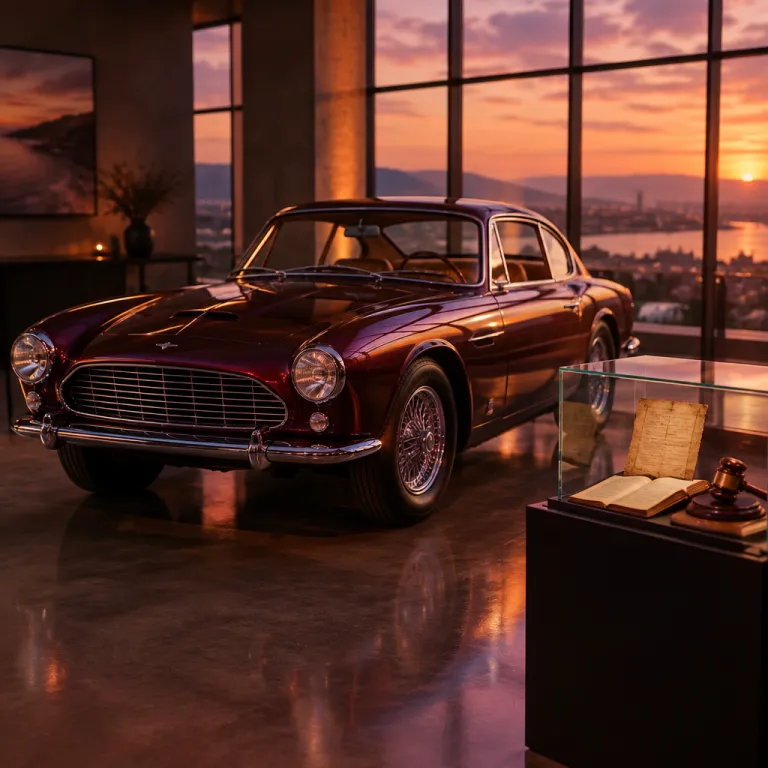
How heritage quietly rewrites the price of every luxury car
A luxury car with a famous badge can cost double an equivalent rival. The gap is rarely about raw performance alone ; it is about luxury car brand heritage premium value woven into every story, showroom and concours lawn. Two cars may share similar engines, dimensions and car segment positioning, yet one commands six figures more because its car brand has spent decades turning race wins, royal warrants and cultural moments into hard pricing power.
Consider how a Ferrari often trades above an equally rapid McLaren, even when the cars post near identical lap times and performance figures. The Ferrari luxury vehicle carries generations of racing mythology, curated scarcity and a collector base that treats certain models as financial instruments, while McLaren cars are still building that emotional and economic scaffolding around their vehicles. Heritage here is not nostalgia ; it is a monetised asset that shapes residual values, waiting lists and the willingness of luxury cars buyers in the United States to wire an extra hundred thousand dollars for the right prancing horse.
The same dynamic plays out across more everyday luxury vehicles, from a mercedes benz sedan to a compact audi suv. A well specified benz class E sedan or bmw series 5 sedan can cost far more than a similarly equipped genesis sedan, even when the Korean car offers more technology and warranty coverage. You are paying for the accumulated trust in German car brands, the perceived indestructibility of their cars and suvs, and the expectation that a pre owned example will still feel tight and bank vault solid after a decade of hard use.
The components of the heritage premium
Heritage pricing rests on several intertwined pillars that go far beyond a logo on the bonnet. Racing pedigree, brand longevity, cultural cachet, celebrity association and manufacturing tradition each add layers to the luxury car brand heritage premium value that attaches to specific models and vehicles. When a car brand like aston martin references Le Mans victories or a mercedes group celebrates its Silver Arrows era, it is not just telling stories ; it is justifying why its sports cars and luxury cars can sit at a higher price point than less storied rivals.
Manufacturing tradition matters just as much as trophies, especially for a luxury vehicle that trades on craftsmanship rather than lap records. Rolls royce leans heavily on its Goodwood ateliers, hand finished veneers and bespoke leather work to explain why its sedan and suv models sit far above even other premium car brands in the United States. That same narrative allows land rover and range rover to charge a premium for suvs that promise a lineage of exploration, even when some compact suvs from audi, volvo or lexus may be more reliable on paper.
Cultural cachet and celebrity association quietly amplify this heritage tax in ways that spreadsheets struggle to capture. When a lincoln or other american luxury sedan appears in films about presidents, or when an alfa romeo coupe becomes the poster car for an era, those images embed themselves into the perceived luxury of the vehicles. Over time, this halo effect means that even pre owned cars from such car brands can command stronger prices than newer, objectively better equipped models from younger marques like genesis or infiniti that are still earning their place in the enthusiast psyche.
When heritage genuinely earns its premium: from Porsche to Rolls Royce
There are moments when the luxury car brand heritage premium value is not only defensible but arguably underpriced. The Porsche 911 is the clearest example, a sports car that has evolved in careful increments rather than wild reinventions, creating a lineage that owners can trace from air cooled icons to the latest turbocharged models. That continuity means every 911, whether a compact Carrera or a track focused GT car, feels like a chapter in one long engineering conversation rather than a standalone product.
That same sense of continuity is what makes rolls royce such a fascinating case study for luxury car owners weighing the heritage tax. A modern rolls royce sedan or suv is not merely a luxury vehicle with thick carpets and quiet glass ; it is the current expression of a century of coachbuilding, V12 refinement and an almost obsessive focus on isolation from the outside world. When you read about the marque’s move away from traditional options lists in favour of deeper personalisation, as detailed in this analysis of how Rolls Royce is redefining exclusivity, you see how heritage becomes a platform for new forms of value rather than a museum piece.
For the driver who cares about how heritage translates into daily life, certain car brands deliver in ways that justify their premiums. A mercedes benz S Class sedan, for example, still sets the benchmark for ride quality and cabin serenity, and that reputation has been earned over generations of cars that quietly introduced safety and comfort technologies later adopted across the car segment. The same applies to a range rover, where the blend of off road capability, elevated driving position and unmistakable silhouette creates an ownership experience that cheaper suvs and compact crossovers from audi, volvo or lexus cannot quite replicate, even if their vehicles are more rational on a spec sheet.
Heritage as a living craft, not a frozen story
True heritage is not a sepia toned brochure ; it is a living craft that continues to evolve while respecting its roots. When a bmw series M car still feels rear biased and playful, or when an aston martin Vantage delivers that particular blend of front mid engine balance and long bonnet theatre, you sense that the engineers have internalised the brand’s greatest hits and remixed them for modern roads. That is where the luxury car brand heritage premium value starts to feel like a fair exchange rather than a tax.
For collectors, this living heritage can become an investment thesis, especially when provenance is meticulously documented and authenticated. Specialist programmes that verify originality and restoration quality, such as the heritage certification services offered by major Italian and British marques, have turned paperwork into a form of currency, as explored in this deep dive into the quiet business of authenticating history. In that world, a car or suv with a fully documented chain of custody, matching numbers and factory correct finishes can be worth multiples of an otherwise identical pre owned example with a murky past.
Even in more attainable segments, heritage can shape the way a luxury car ages and holds value. A well maintained mercedes benz E Class or lexus LS sedan often commands a stronger resale price than rival cars because buyers trust the long term durability of these luxury vehicles, especially in the United States where high mileage commuting is common. That trust, built over decades of real world performance and reliability, is part of the heritage premium you are paying when you choose these car brands over newer entrants that have not yet proved themselves across several product cycles.
When the badge overcharges: platform sharing, licensing and the limits of legacy
Heritage turns toxic when the story on the brochure no longer matches the metal in the driveway. Some car brands have licensed their names to everything from compact suvs to lifestyle accessories, diluting the meaning of the badge and confusing buyers about what the core luxury car actually represents. When a storied car brand slaps its logo on a rebadged suv or sedan developed by another manufacturer, the luxury car brand heritage premium value starts to look like a margin grab rather than a reward for excellence.
Platform sharing is not inherently bad, but it becomes problematic when the premium charged bears no relation to the added substance. A luxury vehicle that shares its chassis, engines and interior architecture with a mainstream car, yet costs tens of thousands more solely because of a different grille and marketing narrative, is asking you to fund heritage without receiving much in return. Buyers of certain american luxury sedans and suvs have felt this acutely when they realise that their cars share major components with far cheaper vehicles in the same group, while offering only superficial differentiation.
Cost cutting behind a prestigious badge can be even more corrosive to long term value. When owners of pre owned land rover or range rover models encounter recurring reliability issues that clash with the rugged exploration image, the gap between heritage and reality becomes painfully clear. The same tension can appear in some lincoln or infiniti models, where the promise of luxury vehicles and sports cars is undermined by cabins or driving dynamics that do not quite justify the price premium over well specified suvs and sedans from audi, volvo, lexus or even genesis.
The new challengers: building value without a century of stories
Brands like genesis are forcing a hard rethink of what you are actually buying when you pay the heritage tax. With sharply designed sedans and suvs that often out spec established german car brands on technology and warranty, genesis is building perceived value through product excellence rather than decades of racing lore. For a buyer in the United States who cares more about quiet cabins, strong performance and transparent pricing than about a family crest on the bonnet, the luxury car brand heritage premium value starts to look negotiable.
Electric newcomers such as Lucid and Rivian are taking a similar path, using range, software and interior innovation to justify six figure price tags without leaning on history. Their vehicles show that a luxury car or suv can command serious money if it solves real problems and delights owners daily, even if the badge has never appeared at Le Mans or on a royal motorcade. Over time, if these cars and suvs prove durable and desirable in the pre owned market, they will begin to accumulate their own heritage, turning early adopters into the first chapter of a new story.
Investors and collectors are watching this shift closely, because it challenges the old assumption that only long established car brands can deliver appreciation. When a limited run electric sedan or high performance suv from a young marque holds its value better than an ageing benz class or bmw series model, it suggests that heritage can be created faster in the digital era. The key question for luxury vehicles buyers is whether they want to pay for a fully formed narrative today, or help write the early pages of a new one at a potentially lower entry price.
Heritage as emotion, investment and the quiet logic behind irrational choices
From a spreadsheet perspective, paying six figures extra for a badge rarely makes sense. A well optioned genesis sedan, a high spec lexus suv or a carefully chosen pre owned audi or volvo can deliver most of the comfort, performance and technology that luxury car owners realistically use. Yet the market for rolls royce, aston martin, mercedes benz and other blue chip car brands remains strong, which tells you that the luxury car brand heritage premium value is anchored in something deeper than rational utility.
For many enthusiasts, heritage is a form of emotional diversification, a way to allocate capital into objects that generate joy as well as potential financial return. A carefully curated garage that mixes sports cars, luxury vehicles and suvs from marques like alfa romeo, land rover, bmw series and rover group brands becomes a rolling portfolio of stories and experiences. The provenance of each car, from build sheets to service history, turns into a narrative asset that can influence future value as strongly as mileage or options.
From the collector’s perspective, provenance does not guarantee appreciation, but it tilts the odds. Cars with clear histories, limited production numbers and strong ties to pivotal moments in a brand’s story tend to outperform generic models, especially in the pre owned and classic markets. That is why serious buyers obsess over matching numbers, original paint and factory documentation, treating these details as the automotive equivalent of a blue chip art pedigree rather than optional trivia.
Should you pay the heritage tax ? A framework for owners
The rational way to approach the heritage premium is to separate what you are paying for into three buckets. First, there is the tangible product value of the car or suv itself, from performance and safety to cabin quality and technology, which you can benchmark against rivals from audi, volvo, lexus, genesis, lincoln, infiniti and others. Second, there is the experiential value of the brand, including dealership treatment, club culture and the sense of belonging that comes with certain car brands, which matters more if you attend events, tours and track days.
The third bucket is the emotional and investment value, which is where luxury car brand heritage premium value either earns its keep or becomes an indulgence. If owning a rolls royce, aston martin, mercedes benz S Class or range rover genuinely changes how you feel every time you walk into the garage, that uplift may justify the extra capital compared with more rational luxury vehicles. If you also believe that specific models have a credible path to future collectability, supported by production numbers, cultural relevance and strong pre owned demand, then the heritage tax becomes part of a broader wealth strategy rather than a simple expense.
Ultimately, the right answer depends on whether you want your luxury car to be an appliance, a companion or a legacy object. Appliances are best served by high value sedans and suvs from brands like genesis, lexus, audi or volvo, where you minimise the heritage tax and maximise daily usability. Legacy objects live in the realm of rolls royce, aston martin, mercedes benz flagships and carefully chosen sports cars, where you knowingly pay for stories, status and the quiet satisfaction that your vehicles mean something beyond the spec sheet and the third corner on a wet Alpine pass.
Key figures behind the heritage premium
- According to Hagerty data, vehicles from established heritage marques such as Ferrari, Porsche and aston martin have historically appreciated faster than the broader collector car market, with some limited production sports cars posting double digit annual gains over multi year periods, while mass market models from less storied brands often track inflation or depreciate.
- Industry analyses of the United States luxury vehicles market show that flagship sedans and suvs from mercedes benz, BMW and Lexus can command price premiums of 10 to 30 percent over similarly equipped rivals from newer brands like genesis, reflecting the embedded luxury car brand heritage premium value in these car segments.
- Residual value studies by major leasing companies consistently rank models such as the Porsche 911, mercedes benz G Class and range rover among the strongest performers, with certain configurations retaining more than 60 percent of their original value after three years, compared with 45 to 50 percent for many mainstream luxury cars and suvs.
- Surveys of high net worth individuals in the United States indicate that a significant share of respondents view at least part of their car collection as an investment, with heritage, provenance and limited production cited as key reasons for choosing specific car brands and models over more common luxury vehicles.
Sources
- Hagerty market reports on collector car values and appreciation trends.
- J.D. Power and ALG residual value studies for luxury vehicles in the United States.
- McKinsey & Company analyses of the global luxury car and suv market.