How luxury car ceramic coating vs PPF protection really differ on the road
Park a Porsche 911 Turbo S next to a Mercedes S 580 and the paint looks flawless under the showroom LEDs. Once that car leaves the dealer, the real question becomes how luxury car ceramic coating vs PPF protection will keep that finish looking like it belongs in the VIP delivery bay. The detailing industry sells certainty, yet the right balance between ceramic, PPF, or a combined coating PPF strategy depends entirely on how you actually drive and where your vehicle lives.
Ceramic coating is a liquid polymer that bonds to the clear coat and cures into a thin, hard layer that enhances gloss, adds hydrophobic behaviour against water, and offers some resistance to mild chemical exposure. On a dark Bentley Continental GT, a high quality ceramic coat can make the surface look deeper and sharper, while helping against water spots, light bird droppings, and UV fade over several years. What ceramic coatings do not do is stop rock chips, prevent high impact damage from road debris, or act as a physical barrier against scratches in the way a protection film can.
Paint protection film, usually called PPF, is a urethane film that sits on top of the paint as a sacrificial layer and absorbs chips, scuffs, and minor abrasions. A modern protection film is typically 150 to 200 microns thick, so when gravel hits the front bumper of a Ferrari Roma, the film takes the abuse while the paint underneath stays intact. Many film PPF products now offer self healing properties, where light scratches from washing or road grit disappear when the surface is warmed by the sun or hot water.
What ceramic coating actually does for a luxury car finish
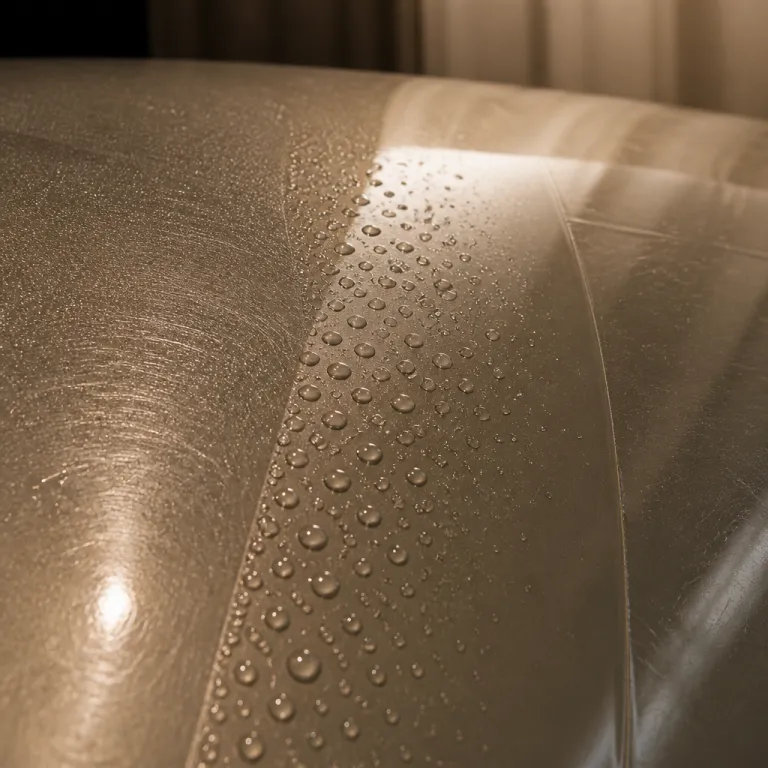
Think of ceramic coating as a top tier raincoat for your car, not body armour. A professional installer applies a liquid ceramic coat that cross links with the clear coat, creating a dense layer that repels water and makes washing dramatically easier for meticulous car owners. On a black BMW 7 Series, the way water beads and sheets off the surface after a proper ceramic treatment can feel almost unreal during the first proper wash.
Because the ceramic layer is highly resistant to many chemical contaminants, it slows down etching from bird droppings, tree sap, and mild acid rain, buying you time to clean the surface before permanent damage occurs. That same chemical resistance helps reduce staining from hard water spots, especially when you rinse with filtered water and dry correctly. Over several years, a long lasting ceramic coating can also reduce UV induced oxidation of the clear coat, so the paint retains more depth and clarity compared with an unprotected vehicle.
What ceramic products do not provide is real impact protection against rock chips or deep scratches from road debris on high impact zones. Even the best ceramic coatings are microns thin, so they cannot absorb the energy of stones hitting the front bumper of a Lamborghini Huracán at motorway speeds. For that reason, ceramic on its own is ideal for grand tourers and luxury sedans that see mostly urban or highway use with limited exposure to aggressive gravel or poorly maintained roads.
Where paint protection film earns its keep on high impact zones
Paint protection film is the choice when you care more about preventing chips than chasing maximum gloss. On a new Aston Martin DB12, a full front PPF package typically covers the bonnet, front bumper, headlights, front wings, and mirror caps, shielding the paint from rock chips and sandblasting. This protection film acts as a thick, elastic barrier that absorbs the impact of debris and minor contact that would otherwise leave visible damage in the clear coat.
Modern PPF ceramic hybrid films combine a slick top coat with the underlying urethane, so the surface behaves more like a ceramic coating when it comes to water behaviour and ease of cleaning. That means fewer water spots, less dirt adhesion, and better resistance to chemical staining from bird droppings or bug splatter on long drives. On a Rolls Royce Cullinan used for ski trips, this kind of film PPF on the lower doors and rear impact zones can dramatically reduce the sandblasting effect from salted winter roads.
For owners obsessed with bespoke interiors and exterior details, PPF also protects the value of custom paint and special finishes. If you have already invested in refined wood grain wrap choices for a bespoke luxury car interior, as explored in this guide to tailored cabin materials, it makes sense to give the exterior paint protection that matches the interior craftsmanship. In practice, PPF is the best defence for high impact areas, while ceramic coating remains the better option for the rest of the bodywork where the risk of chips and deep scratches is lower.
The smart combination: PPF on impact zones, ceramic coating everywhere else
For most modern luxury car owners, the most rational answer to luxury car ceramic coating vs PPF protection is not either or, but both in the right places. A combined coating PPF strategy usually means installing paint protection film on the front bumper, bonnet, mirror caps, and other high impact zones, then applying a ceramic coating over the remaining painted panels and sometimes over the film itself. On a daily driven Porsche Taycan Turbo, this approach keeps the nose safe from rock chips while giving the rest of the vehicle the slick, easy to clean feel of ceramic.
When a professional studio applies ceramic on top of PPF, the ceramic layer mainly adds hydrophobic behaviour and chemical resistance, while the film continues to handle physical damage from road debris. The result is a long term, long lasting system where washing is faster, water runs off the surface more cleanly, and the underlying paint protection remains intact for years. This combination is particularly effective on SUVs like the Range Rover Autobiography, where the front and lower sides see constant abuse, but the upper body benefits more from ceramic coatings for gloss and maintenance.
Owners who invest heavily in bespoke interiors and connected tech often treat the exterior as part of the same personalised ecosystem. If you are already thinking about what bespoke interiors actually cost and what they quietly include, as detailed in this deep dive into cabin customisation, then pairing PPF ceramic solutions with high quality ceramic products on the rest of the paint is a logical extension of that mindset. The key is to map your driving patterns, from city commutes to Alpine passes, and then place the film where the chips and scratches really happen, while letting ceramic handle the broader surface protection and visual drama.
Cost, longevity, and when neither option truly makes sense
Pricing for luxury car ceramic coating vs PPF protection varies wildly, and the spread is not random. A professional multi layer ceramic coating on a large luxury SUV can range from a moderate four figure cost to significantly more, depending on paint correction, number of coats, and the specific ceramic products used. Full body paint protection film on a Bentley Bentayga or Mercedes Maybach GLS can easily cost several times that amount, because the film itself is expensive and the installation is labour intensive.
Longevity claims also need a reality check, because marketing often promises years of protection with minimal maintenance. In practice, a well maintained ceramic coating can perform strongly for three to five years, but only if the vehicle is washed correctly, decontaminated periodically, and not abused with harsh chemical cleaners. High quality PPF can last seven to ten years before yellowing or edge lift become an issue, yet that assumes the car is not constantly parked under brutal sun or subjected to aggressive automatic washes that attack the film edges.
There are scenarios where neither ceramic nor PPF is the best use of your budget. If you are leasing a car for a short term and plan to return it within two years, a careful wash routine and perhaps a simple sealant may be more rational than a full coating PPF package. For high mileage daily drivers that will be sold quickly, the incremental resale value from expensive paint protection might not justify the initial cost, especially if the car spends its life in congested city traffic where parking dings, not rock chips, are the main source of damage.
Choosing the right installer and timing the protection on a new car
The difference between a flawless result and an expensive disappointment rarely comes down to the ceramic or film brand alone. It is usually about the professional who preps the paint, lays the protection film, and cures the ceramic coating under controlled conditions. When you evaluate a studio for luxury car ceramic coating vs PPF protection, look for a clean, well lit facility, dedicated curing areas, and technicians who can explain exactly how they will handle your specific vehicle.
Certifications from major PPF and ceramic coating manufacturers matter, but they are only part of the story. You want an installer who understands how to work around complex shapes like the front bumper of a McLaren GT, how to avoid stretch marks in the film, and how to level the ceramic layer so that water behaviour is consistent across every surface. Strong warranty terms on both the paint protection film and the ceramic coatings are a good sign, yet you should read the fine print about what counts as normal wear, what is considered chemical damage, and how water spots or acid rain etching are handled.
Timing also plays a crucial role, especially for a new vehicle. The ideal scenario is to transport the car directly from the dealer to the detailing studio before the first proper drive, so the paint surface is as close to perfect as possible and free from unnecessary chips or scratches. If you are already exploring how your car knows you better than your phone in terms of connected features and data privacy, as discussed in this analysis of connected luxury, you should treat exterior protection with the same proactive mindset and lock in your strategy before the odometer climbs.
Real world use cases: matching ceramic, PPF, or both to your driving life
Consider three different owners to see how luxury car ceramic coating vs PPF protection plays out in reality. The first runs a Mercedes AMG GT as a weekend car, stored indoors and driven mostly on clean suburban roads, where a high quality ceramic coating across the entire vehicle offers the best balance of gloss, water repellency, and long term ease of care. The second daily drives a Porsche 911 Carrera S on mountain routes with heavy road debris, where full front paint protection film plus ceramic on the rest of the body is the rational choice to stop rock chips and keep washing simple.
The third owner uses a Range Rover Sport as a family workhorse, with frequent motorway trips, ski runs, and city parking. Here, a partial PPF ceramic combination on the front bumper, bonnet, mirrors, and lower doors, backed by a durable ceramic coat on the remaining panels, protects the most vulnerable impact zones while keeping the overall cost under control. In each case, the right mix of film PPF and ceramic coatings depends less on brochure promises and more on how often the car sees high impact conditions, how long you plan to keep it, and how much you value pristine paint versus acceptable patina.
Ultimately, the best protection strategy feels invisible in daily use, yet obvious when you wash the car or inspect the surface under harsh light. The goal is not to wrap the vehicle in anxiety, but to choose a level of paint protection that lets you enjoy every drive, from a quiet city run to the third corner on a wet Alpine pass. When ceramic, PPF, or both are chosen with that mindset, they become tools that support your ownership experience rather than expensive talismans against every possible chip or scratch.
Key figures on ceramic coating and paint protection film performance
- Independent tests from detailing laboratories have shown that high quality ceramic coatings can increase measured gloss levels by 5 to 10 gloss units compared with freshly polished but uncoated paint, which is enough for trained eyes to notice under direct lighting.
- Major PPF manufacturers typically rate their premium protection film products for 7 to 10 years of service life under normal conditions, assuming proper maintenance and avoidance of harsh chemical cleaners that can attack the film edges.
- On performance cars used regularly on motorways, owners who install full front PPF often report a reduction of more than 80 % in visible rock chips on the bonnet and front bumper compared with similar vehicles without film after several years of driving.
- Professional multi layer ceramic coating packages for large luxury SUVs in the United States commonly range from roughly 1 500 to 3 500 dollars, while full body PPF installations on the same vehicles can run from 5 000 dollars to well over 8 000 dollars depending on film type and complexity.
- Surveys of detailing studios in major U.S. cities indicate that more than half of their high end clients now choose a combination of PPF on high impact zones and ceramic coating on the remaining panels, rather than a single solution across the entire vehicle.
FAQ about ceramic coating and paint protection film for luxury cars
Is ceramic coating enough protection for a luxury daily driver ?
Ceramic coating is usually enough for a luxury car that sees mostly city and highway use on clean roads, where the main threats are UV exposure, water spots, and light chemical contamination. It makes washing easier, keeps the surface glossier for years, and offers some resistance to mild bird droppings or acid rain. If your daily routes involve heavy gravel, construction zones, or frequent high speed runs, adding PPF on the front bumper and other impact zones is a safer strategy.
Does paint protection film change the look of my car ?
High quality paint protection film is designed to be optically clear, so on most colours it is virtually invisible from normal viewing distances. On darker paints, you may notice very slight edge lines where panels end, especially if you look closely under strong light. Matte or satin PPF can intentionally change the finish, which some owners use to give a stealth look while still protecting the underlying paint.
Can I apply ceramic coating on top of PPF ?
Yes, many professional installers apply ceramic coating over PPF to combine the impact resistance of the film with the hydrophobic and chemical resistance benefits of ceramic. The ceramic layer on top of the film makes the surface slicker, reduces dirt adhesion, and helps prevent staining from bird droppings or water spots. This combination is particularly effective on high impact areas like the bonnet and front bumper, where you want both physical and chemical protection.
How should I wash a car with ceramic coating or PPF ?
The safest approach is a contact wash using a pH neutral shampoo, separate wash buckets, and soft microfiber mitts, followed by careful drying with plush towels or a blower. Avoid harsh chemical cleaners, abrasive sponges, or automatic washes with stiff brushes, because they can mar the surface, damage the clear coat, or lift the edges of the protection film. Regular gentle washing preserves both ceramic coatings and PPF, keeping the finish looking fresh for the long term.
When is it too late to apply PPF or ceramic coating ?
It is rarely too late, but the more damage the paint has already suffered, the more preparation work is required before applying PPF or ceramic. Deep scratches, chips, and oxidation must be corrected or repainted, because both ceramic and film will lock in whatever is underneath. The most efficient timing is always as close as possible to the delivery of a new vehicle, before years of road use have left their mark.