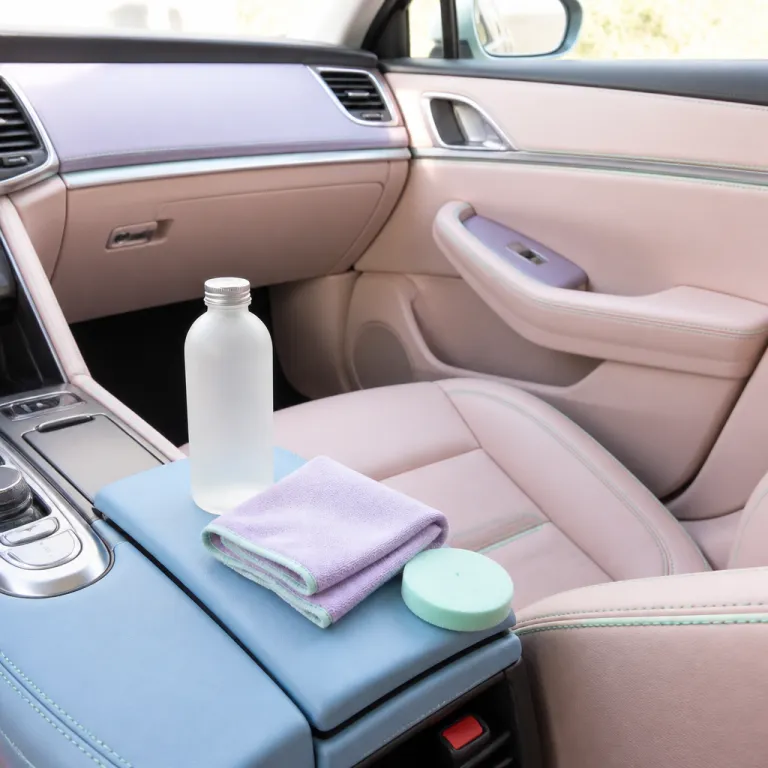
Vinyl conditioner for luxury car interiors: expert guide
Why a dedicated vinyl conditioner matters in a luxury cabin
Your luxury car interiors combine leather, vinyl and vinyl plastic in a carefully balanced ecosystem. A dedicated vinyl conditioner protects these refined surfaces from ultraviolet damage, staining and premature hardening, while preserving the tactile feel that differentiates a premium car from a standard commuter model. When you treat every surface as a distinct material rather than a generic interior cleaner target, you extend the life of the entire cabin.
High grade vinyl surfaces on dashboards, door panels and centre consoles are engineered to resist heat yet remain supple. Without the right cleaner conditioner, these vinyl surfaces gradually lose plasticisers, leading to micro cracking, shine loss and an uneven surface that cheap products often mask with greasy gloss. A purpose built vinyl conditioner works more like skincare for materials, feeding the surface instead of simply coating it.
Owners sometimes assume that a single product can safely treat leather, vinyl and plastic rubber components. In reality, leather vinyl blends, marine vinyl in convertible cabins and rubber surfaces around seals each respond differently to chemical exposure, especially when a harsh cleaner is used too often. Selecting a pro level interior cleaner and vinyl conditioner combination lets you tailor care to each surface while maintaining a coherent, understated finish across the entire interior.
Quick checklist: when to use a dedicated vinyl conditioner
- Visible dulling or fine cracking on dashboards or door tops
- Sticky or overly shiny residue from previous interior cleaners
- Convertible or panoramic-roof cars exposed to strong sunlight
- Cabins with mixed leather vinyl and vinyl plastic trims
Choosing the right vinyl conditioner and cleaner for prestige interiors
Selecting a vinyl conditioner for a luxury car is less about marketing and more about reading the product label with a critical eye. Look for a product that clearly states compatibility with vinyl plastic, leather vinyl and plastic rubber, and avoid any cleaner that relies heavily on silicone shine as its main selling point. A balanced interior cleaner and conditioner should leave the surface with a low sheen that matches the original factory finish, not a reflective glare.
Many owners compare options by focusing only on the regular price or a tempting sale price, but the unit price per application is often more relevant for a high end garage. A pro grade cleaner conditioner may show a higher price regular on the shelf, yet its concentrated formula means the effective price unit per car is lower than a budget interior cleaner that you overuse. When you factor in the cost of premature wear on door panels or dashboards, the apparent price sale advantage of cheaper products quickly disappears.
Detailing specialists who work on supercars often favour brands such as Chemical Guys for their dedicated vinyl conditioner and interior cleaner ranges. A product like a Chemical Guys cleaner conditioner for vinyl surfaces is formulated to avoid streaking on complex curves, which is crucial on sculpted dashboards and intricate door panels. When you already invest in premium paintwork care such as carnauba auto care for a deep warm gloss on luxury paintwork, it makes sense to apply the same standard of scrutiny to every interior product you bring into your detailing routine.
How to read a vinyl conditioner label in 4 steps
- Confirm it lists vinyl, vinyl plastic and leather vinyl among approved materials.
- Check for UV protection and a low sheen or satin finish claim.
- Avoid products that promote “wet look” or heavy silicone gloss for prestige cabins.
- Note dilution ratios and estimated coverage to calculate realistic unit price.
Balancing leather, vinyl and rubber care in a mixed material cabin
Most modern luxury cabins combine full grain leather, synthetic leather vinyl, soft touch vinyl plastic and rubber surfaces in close proximity. Treating all these surfaces with a single aggressive cleaner risks drying the leather, clouding the vinyl and leaving the rubber seals vulnerable to cracking, especially around door apertures and window surrounds. A carefully chosen vinyl conditioner sits at the centre of a modular system where each material receives tailored care but the overall aesthetic remains coherent.
On perforated leather seats with vinyl side bolsters, start with a gentle interior cleaner designed for leather and leather vinyl, then follow with a dedicated conditioner only on the vinyl surfaces to restore flexibility without clogging the leather pores. Door panels often mix stitched leather, hard vinyl plastic and soft rubber grips, so apply the cleaner conditioner in stages, using a separate microfiber towel for each surface to avoid cross contamination and streaking. This disciplined approach prevents the slightly oily residue that can migrate from vinyl to leather, which many owners misinterpret as premature wear rather than product transfer.
Rubber surfaces such as pedal surrounds, door seals and switchgear benefit from a lighter application of vinyl conditioner, especially when they sit next to high gloss piano black trims. A pro detailer will often apply the product to a small applicator pad rather than spraying directly, then buff with a clean microfiber towel to achieve a uniform, factory correct sheen. If you want to understand how other owners manage this balance over time, owner forums often provide more nuanced feedback than traditional luxury car reviews that miss the point, and what owner forums know that critics do not is how products behave after months of real use rather than a single test drive.
Mini case study: mixed-material seat bolsters
A pre owned luxury saloon arrived at a detailing studio with dry, greyed vinyl bolsters and shiny, overtreated leather centres. The specialist switched to a mild interior cleaner, then applied a vinyl conditioner only to the bolsters and a separate leather balm to the seat centres. After two sessions, the vinyl regained its original satin finish and the leather lost its artificial gloss, restoring a consistent, factory correct look without replacing any trim.
From private garage to small business detailing : pro level routines
Many luxury car owners run a small business or family office and expect the same level of process discipline in their garage as in their boardroom. When you structure your interior care like a professional detailing business, you treat each vinyl conditioner, cleaner and accessory as a defined tool with a clear role rather than a random product on a shelf. This mindset reduces waste, protects materials and ensures that every car in your collection receives consistent treatment.
A pro style routine starts with a dry dusting of all vinyl surfaces using a dedicated microfiber towel, followed by a targeted interior cleaner on high touch areas such as steering wheels, door panels and centre consoles. Only after the surface is free from loose contamination do you introduce a vinyl conditioner, working panel by panel and allowing the product to dwell briefly before buffing to a uniform finish. For owners with multiple cars, tracking which products were used on which interior helps avoid chemical clashes, especially when different brands or Chemical Guys formulas are involved.
Collectors who manage several cars sometimes outsource interior care to mobile detailers or a trusted small business that specialises in high end car interiors. In these arrangements, specifying the exact cleaner conditioner, interior cleaner and vinyl conditioner you want used on your vinyl plastic and leather vinyl components protects your investment and avoids surprises. If you are also active in the pre owned market, aligning your interior care standards with the guidance from resources on how to secure exceptional value from second hand luxury cars ensures that your detailing choices support long term resale value rather than just short term aesthetics.
Step-by-step interior routine for vinyl surfaces
- Vacuum and dust all vinyl plastic and rubber trims.
- Spot clean high touch areas with an appropriate interior cleaner.
- Apply vinyl conditioner to an applicator pad, not directly to the panel.
- Work in small sections, allowing brief dwell time.
- Buff with a clean microfiber towel to a uniform, low sheen finish.
Extending vinyl conditioner expertise beyond the car : marine and leisure applications
Owners of luxury cars often also maintain a boat, yacht tender or personal watercraft, where marine vinyl and vinyl plastic surfaces face even harsher conditions. The same principles that protect your car interiors apply here, but the product selection must account for salt, humidity and prolonged ultraviolet exposure that quickly degrade untreated vinyl surfaces. A high quality vinyl conditioner rated for marine vinyl will usually specify resistance to mildew and staining, which is essential for light coloured seating and sun pads.
On a boat, rubber surfaces such as grab handles, hatch seals and step edges sit alongside marine vinyl upholstery, so a versatile cleaner conditioner that is safe for both vinyl and plastic rubber simplifies your maintenance kit. You can use a dedicated interior cleaner to remove sunscreen, salt spray and organic residues, then follow with a vinyl conditioner to restore suppleness without leaving a slippery film on walking surfaces. Always test any new product on a small, inconspicuous surface first, especially when working with bespoke upholstery or custom dyed marine vinyl.
Many owners appreciate the efficiency of using the same family of products, such as a range from Chemical Guys, across both car and boat environments, provided the label confirms marine suitability. While the regular price of specialised marine products may exceed that of standard interior cleaners, the extended lifespan of vinyl surfaces and reduced need for reupholstery usually offset the higher unit price. Treating your leisure assets with the same care as your primary car interior ensures a consistent standard of luxury across every surface you and your guests touch.
Before/after example: neglected marine vinyl
A small yacht with five seasons of neglected marine vinyl showed heavy staining and stiffness on sun pads. After a thorough wash with a marine safe interior cleaner and two light applications of a mildew resistant vinyl conditioner over several weeks, the material regained flexibility and most of the discolouration faded, delaying the need for costly reupholstery.
Understanding pricing, value and product selection for vinyl care
Evaluating the price of a vinyl conditioner or interior cleaner for a luxury car should go beyond the figure printed on the shelf label. Retailers often display a regular price, a price regular for long term reference and a temporary sale price, yet the true cost to you is the price unit per properly treated surface. When you calculate how many full interior treatments a bottle of cleaner conditioner or vinyl conditioner provides, you gain a clearer view of value than by comparing only the headline price sale between competing products.
For example, a pro grade interior cleaner from a specialist brand may carry a higher regular price than a mass market product, but its concentrated formula can reduce the effective unit price per car by half. When you factor in the avoided costs of repairing cracked door panels, faded dashboards or hardened rubber surfaces, the long term financial case for premium products becomes compelling. Luxury ownership is rarely about the cheapest option, and the same logic applies when choosing between different vinyl surfaces treatments, microfiber towel qualities and cleaner formulations.
Some owners maintain a spreadsheet that tracks each product, its price, the number of applications achieved and any visible impact on car interiors over time. This data driven approach mirrors how a detailing business or small business would evaluate inventory, ensuring that every vinyl conditioner, interior cleaner and related accessory earns its place on the shelf. By aligning your purchasing decisions with both performance and price metrics, you create a curated set of products that consistently protect leather vinyl, vinyl plastic and plastic rubber components across your entire fleet.
Simple value formula for vinyl products
Effective unit price per car = (bottle price) ÷ (number of full interior treatments). Recording this figure for each vinyl conditioner and interior cleaner makes it easier to compare options objectively while keeping protection standards high.
Key figures on vinyl conditioner and interior material longevity
- Laboratory tests from major automotive suppliers indicate that untreated vinyl exposed to direct sunlight can lose around 20 % of its flexibility after approximately 1 000 hours of ultraviolet exposure, while surfaces maintained with a suitable vinyl conditioner retain most of their original elasticity over the same period, reducing the risk of cracking. Figures of this type are typically reported in OEM material durability datasheets and accelerated weathering studies (for example, SAE J1885 and ISO 4892 style test protocols).
- Interior refurbishment specialists report that dashboard and door panel replacements on luxury cars can cost between 1 000 and 4 000 euros per vehicle, meaning that consistent use of an appropriate cleaner conditioner and interior cleaner regimen can prevent repairs that far exceed the cumulative price of premium care products. These ranges are broadly in line with estimates published by European dealer body shops and independent trim repair networks in service bulletins and insurance repair schedules.
- Marine upholstery manufacturers indicate that properly maintained marine vinyl on boats can last 8 to 10 seasons before significant degradation, whereas neglected vinyl surfaces in similar conditions may require replacement after only 4 to 5 seasons, effectively doubling upholstery costs over the ownership period. Such guidance is commonly found in manufacturer care instructions and warranty documentation for marine grade vinyl from leading suppliers.
- Professional detailing studios estimate that a single 500 millilitre bottle of concentrated vinyl conditioner can treat the full interiors of 8 to 12 luxury cars, depending on cabin size and surface complexity, which significantly lowers the effective unit price per application compared with ready to use consumer sprays. These treatment counts are typically quoted in product usage guidelines and training material from specialist detailing brands and accredited detailer programmes.
FAQ : vinyl conditioner for luxury car interiors
How often should I apply vinyl conditioner in a luxury car ?
For a daily driven luxury car, applying a vinyl conditioner to dashboards, door panels and other vinyl surfaces every two to three months is usually sufficient. In very sunny climates or for cars stored outdoors, monthly applications may be justified, especially on darker interiors that absorb more heat. Always adjust the interval based on visible dryness, not just a fixed calendar schedule.
Can I use the same product on leather, vinyl and rubber surfaces ?
Some cleaner conditioner formulas are safe for leather vinyl, vinyl plastic and rubber surfaces, but genuine full grain leather often requires a dedicated leather care product. Using a vinyl conditioner on true leather can sometimes alter the finish or clog pores, particularly on perforated seats. Check the label carefully and, when in doubt, use separate products tailored to each material.
Will vinyl conditioner make my steering wheel or pedals slippery ?
Applied correctly, a quality vinyl conditioner should leave a natural, low sheen finish rather than a slick surface. Avoid treating pedal rubbers and heavily textured grip areas, and always buff thoroughly with a clean microfiber towel after application. If any area feels slippery, wipe again with a dry towel until the original tactile feedback returns.
Is a more expensive vinyl conditioner always better for my car interiors ?
A higher price often reflects better ingredients or a more concentrated formula, but it is not a guarantee of superior performance. Evaluate products based on compatibility with your specific materials, independent reviews from experienced detailers and the effective unit price per full interior treatment. A mid range product used correctly can outperform a premium option that is overapplied or used on the wrong surfaces.
Can I use automotive vinyl products on my boat or marine vinyl surfaces ?
Some automotive vinyl conditioners are suitable for marine vinyl, but not all are formulated to handle salt, constant moisture and intense ultraviolet exposure. Always check whether the product explicitly mentions marine or boat use before applying it to marine vinyl upholstery. When in doubt, choose a conditioner specifically designed for marine environments to ensure long term protection.
