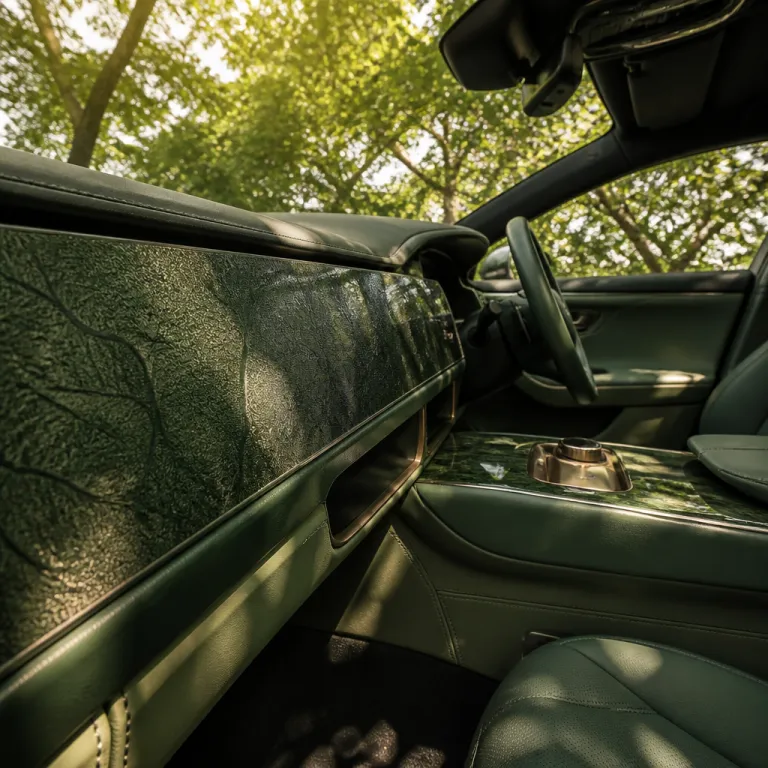
Why soft-touch lacquer has become the new luxury benchmark
In a modern luxury car cabin, the first impression is often soft and almost velvet like. The way your fingers touch the dashboard, console, and switchgear defines how the entire vehicle will feel to you. That is why the concept behind soft-touch lacquer, sometimes called soft-touch coating, now sits at the center of every serious interior customization project.
Unlike traditional hard plastics, a dedicated soft-touch finish uses engineered resin systems to create a warm, low gloss surface that feels refined. These coatings are formulated so that the haptic properties, such as micro texture and friction, are tuned to match the high expectations of luxury car owners. When done correctly, the product feels consistent from steering wheel spokes to door panels, and the overall tactile performance quietly signals craftsmanship.
Premium soft-touch coatings must also deliver high resistance to daily wear, from rings and watches to repeated cleaning cycles. A high performance touch coating for automotive interiors borrows know how from consumer electronics, where thin films must resist sweat, skin oils, and constant handling. The same chemical resistance that protects a smartphone housing can be adapted to produce soft surfaces in your car that will help preserve that new car feel for many years, as documented in durability data from major suppliers such as BASF and AkzoNobel.
From consumer electronics to bespoke cabins: how soft-touch technology migrated
The technology behind soft-touch lacquer did not start in the automotive world, because it was first refined for high volume consumer electronics such as smartphones, tablets, and premium headphones. Manufacturers needed a soft-touch finish that feels pleasant yet offers strong scratch resistance on compact products handled thousands of times per day. Those demanding use cases pushed coating suppliers to develop high quality resin chemistries and a wide range of surface properties that now benefit luxury car interiors.
When you commission a bespoke interior or a shooting brake conversion, the same families of touch coating products can be specified for center consoles, rotary controllers, and even hidden storage lids. For example, owners upgrading a Porsche 718 Cayman with a bespoke shooting brake kit often request a soft-touch coating on new trim pieces to visually and haptically unify the cabin. This cross pollination means that a coating will not only look elegant but also match the high performance standards already proven in portable devices.
Because these coatings were designed for compact electronics, the product data on durability, chemical resistance, and UV stability is unusually detailed. That data will help your interior specialist choose the right coating range for each substrate, whether it is ABS plastic, polyurethane foam, or metal inserts. The result is a family of coordinated coatings that produce soft surfaces with consistent feel, even though the underlying materials differ significantly, and can be benchmarked against standardized tests such as ISO 2409 cross-cut adhesion and ISO 1518 scratch resistance.
Key material properties that define a true luxury soft-touch finish
Not every matte paint with a muted sheen qualifies as genuine soft-touch lacquer, because the feel under your fingertips is dictated by specific material properties. A true soft-touch coating combines elastic resin binders with carefully selected fillers to create a surface that feels warm, slightly compliant, and never sticky. This balance between softness and resistance is what separates high quality automotive products from cheaper decorative coatings.
When evaluating options for your car, ask your specialist for product data sheets that quantify hardness, scratch resistance, and chemical resistance against sunscreen, hand sanitizer, and cleaning agents. These data points indicate whether the coating will maintain its haptic performance after repeated contact with everyday chemicals that would otherwise mark or stain the surface. Many owners of vehicles such as the Cadillac ATS have learned that choosing the right interior configuration and luxury features includes specifying robust soft-touch coatings for high contact areas, ideally validated using methods like ASTM D3363 pencil hardness and ISO 2812 liquid chemical spot testing.
Another critical factor is the resin chemistry, because polyurethane and acrylic hybrid systems can be tuned to produce soft surfaces while still offering high performance in terms of adhesion and flexibility. A well formulated coating will help prevent micro cracking on flexible substrates, where cheaper products do not hold up over time. When your detailer or interior atelier talks about a wide range of available coatings, they are referring to these different resin backbones and additive packages that tailor the final feel.
Customization options: tailoring soft-touch lacquer to your driving style
For a luxury car owner, the appeal of soft-touch lacquer lies in how precisely it can be customized to match personal preferences. You can specify a softer feel on touch points such as the gear selector and armrests, while keeping slightly higher hardness and resistance on lower door panels that face more impact. This level of tuning turns a generic soft-touch coating into a bespoke product aligned with how you actually use the car.
Specialist ateliers now offer a wide range of colors, gloss levels, and micro textures, allowing the coating to either visually disappear into a minimalist interior or stand out with a subtle contrast. Some owners prefer a very low gloss finish that feels almost rubberized, while others choose a silk matte surface that reflects just enough light to highlight sculpted shapes. In both cases, the coatings are engineered so that the haptic properties remain consistent, even when pigment loadings and additives change.
When planning a full interior refresh, you should also consider how soft-touch products interact with other materials such as leather, Alcantara, and open pore wood. A high performance soft-touch coating will help bridge the tactile gap between these materials, so the transition from leather to coated plastic does not feel abrupt. This holistic approach to haptics ensures that every surface you touch feels intentional, not like an afterthought added late in the design process; as one senior materials engineer at a German OEM notes, “customers forgive a missing option, but they notice instantly when two adjacent surfaces feel mismatched.”
Durability, maintenance, and the reality behind “gar nicht” wear claims
Marketing brochures sometimes imply that soft-touch lacquer surfaces will show almost no wear, yet real world use in a luxury car cabin is more demanding. Even the best soft-touch coating can scratch if a metal key or sharp buckle drags across the surface with enough force. The goal of a high quality system is not absolute immunity but significantly improved resistance compared with uncoated plastic.
Laboratory data from coating manufacturers typically include standardized scratch resistance tests, chemical resistance panels, and accelerated aging cycles that simulate years of UV exposure. These controlled tests will help you compare products objectively, because you can see how each coating will perform when exposed to sunscreen, coffee spills, and cleaning chemicals. When a supplier claims high performance, ask for this data rather than relying on vague promises that the surface will never mark, and look for references to protocols such as ISO 16474 for artificial weathering and ASTM D4060 for abrasion resistance.
Maintenance also plays a decisive role, since harsh solvents and aggressive brushes can damage even premium coatings over time. A soft-touch surface feels luxurious when cleaned with pH neutral products and soft microfiber cloths, which preserve both the resin matrix and the delicate haptic properties. If a detailer suggests using strong chemical cleaners on your interior, that advice is often not aligned with the recommendations found in the product documentation and may shorten the life of the finish.
Regulation, sustainability, and choosing the right partner for your project
As emissions regulations tighten and interior air quality standards evolve, the chemistry behind soft-touch lacquer is changing rapidly. Many modern soft-touch coatings now use low solvent or waterborne resin systems that reduce volatile organic compound emissions without sacrificing feel. This shift aligns with broader regulatory moves in regions such as Europe, where new CO₂ rules influence not only powertrains but also material choices inside the cabin, as explained in analyses of Europe’s CO₂ rewrite and what it means for the next luxury car you buy.
When selecting a partner for your interior customization, ask how they handle product selection, safety data, and compliance with regional regulations. A serious atelier will provide clear documentation, explain how each coating will perform over time, and outline any maintenance requirements in writing. They should also be transparent about their own privacy policy when handling your personal data, especially if they store configuration preferences and photographs of your vehicle.
From a sustainability perspective, the best coatings produce soft surfaces with long service life, which reduces the need for premature replacement of interior parts. High performance formulations that combine durability, chemical resistance, and stable haptic properties ultimately lower material waste and total lifecycle impact. For a discerning luxury car owner, choosing such products is not only about comfort and aesthetics but also about aligning the vehicle with broader environmental and ethical expectations.
Key statistics on soft-touch coatings in luxury automotive interiors
- According to data from coatings industry reports, soft-touch coatings are now specified on more than 60 % of new premium and luxury vehicle interiors worldwide, reflecting a clear shift toward haptic quality as a purchase driver; this figure is consistent with market analyses published by organizations such as the European Council of the Paint, Printing Ink and Artists’ Colours Industry (CEPE) and major OEM supplier surveys.
- Independent laboratory testing published by major coating suppliers shows that advanced soft-touch systems can improve scratch resistance by up to 40 % compared with uncoated plastics, when measured using standardized pencil hardness and mar resistance tests, including ASTM D3363 and ISO 1518, on representative interior substrates.
- Waterborne and low solvent soft-touch products have reduced volatile organic compound emissions by roughly 30 % over the last decade, based on environmental performance data from leading automotive paint manufacturers and sustainability reports aligned with ISO 11890 VOC determination methods.
- Consumer surveys conducted by automotive research firms indicate that more than half of luxury car buyers rank interior touch and feel among their top three decision factors, placing haptic quality alongside powertrain performance and brand image, a trend echoed in J.D. Power and internal OEM customer clinic findings.
FAQ
What is soft-touch lacquer in a luxury car interior ?
Soft-touch lacquer, often referred to as a soft-touch coating, is a specialized finish applied to interior plastic or metal parts to create a warm, slightly compliant surface that feels more premium than bare plastic. It uses engineered resin systems and additives to deliver specific haptic properties, such as reduced gloss and a pleasant soft-touch feel. In luxury cars, it is commonly used on dashboards, center consoles, door trims, and control interfaces.
How durable are soft-touch coatings compared with standard plastics ?
High quality soft-touch coatings are significantly more resistant to scratches, chemicals, and UV exposure than uncoated plastics, provided they are applied correctly and maintained with appropriate cleaners. Laboratory data from coating manufacturers show measurable improvements in scratch resistance and chemical resistance when tested against sunscreen, hand sanitizer, and cleaning agents. However, no coating is completely immune to damage, so sharp objects and harsh solvents can still mark or degrade the surface over time.
Can I retrofit soft-touch finishes to an existing luxury car ?
Yes, many specialist ateliers and high end detailers offer retrofitting services that apply soft-touch coatings to existing interior parts, either by refinishing original components or replacing them with newly coated pieces. The process typically involves disassembly, surface preparation, application of a primer, and then spraying the soft-touch product in a controlled environment. When executed by experienced professionals using automotive grade coatings, the result can closely match or even surpass factory finishes; for instance, some Porsche and BMW independent specialists document retrofits using OEM-approved soft-touch systems in their case studies.
What should I ask my interior specialist before choosing a soft-touch system ?
You should request product data sheets that detail hardness, scratch resistance, chemical resistance, and recommended maintenance procedures for each proposed coating. Ask which resin chemistry is used, whether the system is solvent borne or waterborne, and how it complies with regional environmental regulations. It is also wise to see physical samples that you can touch, so you can evaluate the feel and appearance under real lighting conditions.
Does a soft-touch interior affect the resale value of a luxury car ?
A well executed soft-touch interior can enhance perceived quality and therefore support stronger resale values, especially in segments where buyers expect a refined haptic experience. However, poor quality coatings that become sticky, scratched, or discolored can have the opposite effect and may require costly refurbishment. Choosing proven high performance products and reputable installers is essential if you want the upgrade to remain an asset when it is time to sell or trade the vehicle.
