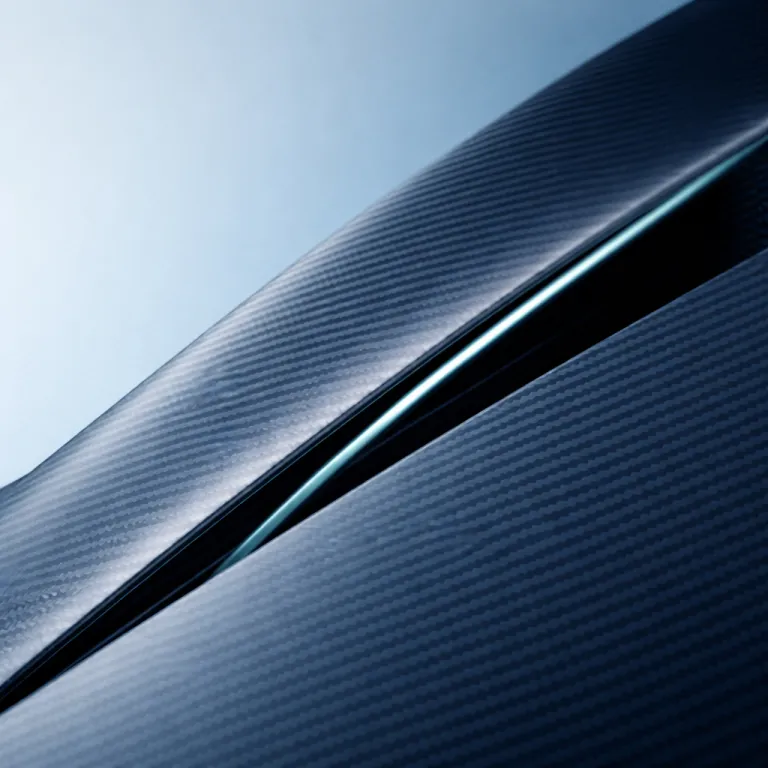
From front engine heritage to the mid engine Aston Martin Valhalla gamble
Aston Martin built its reputation on front engine grand tourers that could cross continents with unruffled grace. The classic Aston Martin recipe mixed a long bonnet, muscular rear haunches, and a cabin set back over the rear axle to balance comfort with performance. For decades, every flagship car from the DB5 to the DBS told the same story in slightly different combinations of aluminium, carbon fibre, and leather.
That is why the Aston Martin Valhalla matters so much, because this mid engine supercar asks loyal owners to learn a new dynamic language without abandoning the old one. The Valhalla places its engine behind the driver and ahead of the rear axle, using a plug in hybrid powertrain and electric motors to chase top speed numbers that once belonged only to racing prototypes. According to Aston Martin’s 2023 technical preview and subsequent engineering updates, the production Valhalla is targeting around 998 hp (740 kW), more than 738 lb ft (1,000 Nm) of torque, and a top speed of about 217 mph (350 km/h), with 0–62 mph (0–100 km/h) in roughly 2.5 seconds; all of these performance figures remain preliminary and subject to final validation by the manufacturer.
Historically, Aston Martin resisted a mainstream mid engine car even when rivals proved the performance benefits on road and track. The company flirted with the idea through the One 77 and the Valkyrie, yet those cars were ultra rare statements rather than a template for a broader system of products. With the Aston Martin Valhalla limited to 999 units and expected to weigh around 1,550 kg (dry) thanks to its carbon fibre tub, as outlined in early factory briefings, Gaydon is finally betting that a mid engine halo can support the rest of the range rather than simply sit above it as an untouchable advertisement for engineering bravado.
What the Aston Martin Valhalla actually is: numbers, hardware, and rivals
Strip away the mythology and the Aston Martin Valhalla is a compact mid engine plug in hybrid supercar aimed squarely at the Ferrari SF90 Stradale and McLaren Artura, rather than traditional front engine GTs. Its 4.0 litre twin turbo V8 engine, derived from a Mercedes AMG unit but heavily reworked by Aston Martin, works with dual electric motors on the front axle and a third motor integrated with the rear axle transmission to deliver combined power that pushes deep into hypercar territory while still allowing electric running in town. The result is a Valhalla that can glide silently along a city road for an estimated 9–10 miles (around 15 km) on battery power and then surge toward its top speed the next, with the driver feeling a seamless wave of torque vectoring and instant response; Aston Martin has described these EV range and deployment figures as indicative targets rather than final certified data.
The hardware list reads like a manifesto for active performance, with active aerodynamics managing a complex front wing, rear wing, and underbody system to balance downforce and drag. Aston Martin has quoted more than 1,300 kg of downforce at around 150 mph (241 km/h) in high load configuration in its early technical communications, again stressing that these downforce numbers are preliminary. On the front rear balance, the car uses a sophisticated multi link suspension with inboard components and a race mode that drops the front axle and stiffens the rear to work the active aero harder at very high mph. When you learn how the carbon ceramic braking, hybrid deployment, and torque vectoring systems talk to each other, you start to see why Aston Martin chose this architecture rather than another front engine grand tourer for its next generation flagship.
Against rivals, the Aston Martin Valhalla feels less like a science project and more like a driver focused interpretation of hybrid power, and that is crucial for owners cross shopping cars such as the Ferrari SF90, McLaren Artura, or Porsche 911 Turbo S. Commentators who have driven development prototypes and studied the official Valhalla specs 0–62, 217 mph top speed, and carbon fibre tub construction consistently highlight how character matters as much as numbers. In that context, the Valhalla must not only post outrageous acceleration figures but also deliver a steering feel, brake pedal, and suspension tune that make sense on a wet B road, not just on a perfect circuit.
The 999 unit equation and what it means for existing Aston owners
Limiting the Aston Martin Valhalla to 999 units sounds like pure exclusivity, yet the economics behind that number are more nuanced. A mid engine hybrid powertrain with twin turbo complexity, multiple electric motors, and extensive carbon fibre structure is brutally expensive to engineer and certify for global roads. The 999 car run is designed to amortise that cost while leaving room for future model years that can reuse the core system without repeating the full development bill, including the bespoke eight speed dual clutch gearbox and 150 kW battery pack capacity figure cited in early engineering briefings, which Aston Martin still describes as a target specification.
For existing Aston Martin owners, the Valhalla programme is less about scarcity bragging rights and more about whether the brand can fund the next decade of GTs and SUVs. If the Valhalla sells through quickly at strong transaction prices, likely in the £600,000 to £700,000 region before options in key launch markets such as the UK, Europe, and the US, it validates the mid engine strategy and encourages Gaydon to spin the hybrid powertrain and active aerodynamics into slightly less extreme cars. Should demand falter, the risk is that the cost of the carbon fibre tub, the electric motors, and the active aero systems weighs on the balance sheet and forces compromises elsewhere in the range.
There is also a softer calculation at work, because a successful Aston Martin Valhalla changes how younger enthusiasts perceive the marque compared with alternatives such as the Lotus Emira or similarly agile mid engine options. Owners who care about the broader luxury performance landscape may want to experience the thrill of a focused mid engine sports car to benchmark what the Valhalla must feel like on a challenging road. In that light, the 999 unit limit becomes a strategic bridge between the old front engine world and a future where mid engine Aston Martin models sit comfortably alongside the DB series in showrooms.
From Valkyrie lessons to Valhalla reality: engineering, aero, and the driving experience
The Valkyrie taught Aston Martin that chasing Formula 1 levels of downforce with extreme active aerodynamics can create a car that is thrilling yet intimidating for many owners. With the Aston Martin Valhalla, engineers have aimed for a more approachable balance, using active aero to generate serious downforce without demanding race driver reflexes on every damp road. The front wing, rear wing, and underfloor work together as a single system, trimming and stalling surfaces so the car feels stable at high mph rather than nervous, while still allowing the driver to sense what the chassis is doing.
Under the carbon fibre skin, the mid engine layout allows the suspension to be packaged tightly around the front axle and rear axle, improving both agility and ride quality. In race mode the Aston Martin Valhalla hunkers down, its active suspension reducing ride height and sharpening responses while the hybrid powertrain deploys maximum power and torque vectoring to all driven wheels. Switch back to a more relaxed setting and the same car softens its damping, eases its braking regeneration, and lets the electric motors handle low speed manoeuvres with surprising civility, helped by a two speed electric drive arrangement on the front axle that Aston Martin has outlined in its technical previews.
Owners used to a front engine DB11 or DBS will notice how the Valhalla rotates from its centre rather than its nose, which changes how you place it into a tightening corner. The combination of carbon fibre structure, mid engine mass distribution, and sophisticated front rear aero balance means the driver can lean on the car earlier in the bend without waiting for weight to settle. That is where the Aston Martin Valhalla must earn its place, because the real test is not the spec sheet but the third corner on a wet Alpine pass where active systems fade into the background and only natural balance remains.
Owner experience, everyday usability, and what is at stake for Aston Martin
Beyond the hardware, Aston Martin understands that the Valhalla buyer expects an ecosystem of experiences, not just a fast car. Programmes such as Aston Martin Experiences, with curated road drives, circuit coaching, and factory access, are designed to help owners learn how the hybrid systems, active aerodynamics, and torque vectoring behave at and beyond the limit. That kind of support matters when you are dealing with a mid engine machine that can reach extreme mph and generate serious downforce from its front wing and rear wing.
Day to day, the Aston Martin Valhalla must also function as a road car, with a cabin that can handle a weekend away and a ride quality that does not punish every imperfect surface. Electric running from the hybrid powertrain allows quiet early morning departures, while carefully tuned braking regeneration and a compliant suspension setting keep urban driving civilised. Prospective buyers comparing the Valhalla with other luxury performance machines can elevate their driving experience by considering how its plug in hybrid efficiency, usable EV range, and supercar pace combine with mid engine balance for real world use.
If the Aston Martin Valhalla under delivers dynamically or proves fragile in real world use, the damage to brand trust could extend far beyond these 999 cars. Yet if the combination of mid engine balance, hybrid power, active aero, and carbon fibre craftsmanship delights owners, it will give Gaydon the confidence to expand the concept into future model years. For a marque built on front engine grace, the stakes are simple: either Valhalla becomes the new reference point for what an Aston Martin can be, or it remains a fascinating side note in the long story of power, beauty, and soul.
FAQ
How fast is the Aston Martin Valhalla and what is its top speed ?
The Aston Martin Valhalla targets a top speed that places it firmly in modern hypercar territory, with acceleration figures to match leading mid engine rivals. Aston Martin’s preliminary figures suggest around 217 mph (350 km/h) flat out and 0–62 mph (0–100 km/h) in about 2.5 seconds, helped by all wheel drive and instant electric torque. Its combination of twin turbo V8 engine and electric motors allows brutal in gear thrust, while active aerodynamics keep the car stable at very high mph; all of these Valhalla specs remain provisional until final manufacturer confirmation.
Is the Aston Martin Valhalla usable on normal roads or only on track ?
Despite its race mode and aggressive aero, the Aston Martin Valhalla has been engineered to work as a road car first and a track weapon second. Adaptive suspension, multiple drive modes, and the ability to run on electric power at low speeds all help it cope with everyday traffic and imperfect surfaces. A front axle lift system, plug in charging capability, and a carefully packaged cabin mean owners can enjoy the car on a favourite B road without needing a circuit to access its character, which is essential for a limited run flagship.
How does the Valhalla compare with traditional front engine Aston Martin GTs ?
The Valhalla feels very different from a DB11 or DBS because its mid engine layout changes how the car rotates and how weight transfers under braking. Where a front engine GT flows with long, graceful arcs, the Valhalla responds more sharply to steering inputs and allows the driver to lean on the front axle earlier in a corner. Both approaches have merit, but the Valhalla is clearly aimed at owners who prioritise agility and track capable performance over relaxed long distance cruising, even though it still offers a degree of grand touring comfort.
What role does the hybrid powertrain play in the driving experience ?
The hybrid powertrain in the Aston Martin Valhalla is not there simply for emissions compliance; it is central to the way the car accelerates, brakes, and turns. Electric motors on the front axle and rear axle provide instant torque vectoring, fill in gaps in the twin turbo engine response, and enable short periods of electric only running. This integration allows the car to feel both more responsive and more refined than a comparable purely combustion powered mid engine supercar, while also reducing CO2 output compared with earlier V12 flagships.
Will the Valhalla influence future Aston Martin models ?
The Aston Martin Valhalla is intended as a template rather than a one off, so its carbon fibre structure, hybrid systems, and active aero solutions are likely to inform future model years. If owners respond positively to the driving experience and reliability proves strong, Gaydon can adapt this architecture into slightly less extreme cars at lower price points, potentially including future mid engine derivatives and more efficient GTs. In that sense, buying a Valhalla is not only acquiring a rare car but also participating in the next chapter of the brand’s engineering direction.