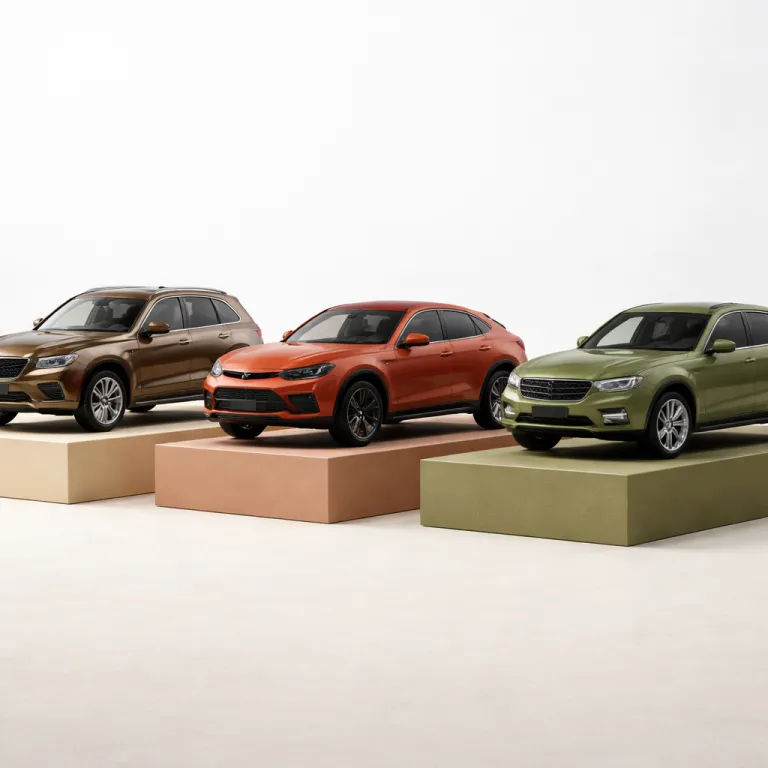
Luxury SUV comparison for three real lives, not one perfect spec sheet
The only honest luxury SUV comparison starts with your life, not a brochure. A family focused buyer, a weekend back road enthusiast and a statement of arrival owner will not share the same definition of best or of true luxury. If you try to find the single best luxury SUV, you end up with a mid size compromise that flatters nobody for long.
Think of this as three parallel tests where the same models are judged by different rules, because the same suv that feels sublime on a solo night drive can feel cramped once child seats and luggage eat into cargo space. In that context, the BMW X5, Porsche Cayenne, Genesis GV80, BMW X7, Volvo XC90 and Lucid Gravity stop being just luxury suvs and become tools for three distinct lives. The aim is to help you find the best fit, not the highest rating on a chart or the lowest price on a dealer advertisement.
For the family first buyer, the safest and calmest cabin usually beats the sharpest steering, so the Volvo XC90 and BMW X7 move to the front of this luxury suv comparison. For the driver who still cares about a car’s line through a wet roundabout, the Porsche Cayenne and BMW X5 feel like sports sedans wearing hiking boots, and that matters more than a slightly better EPA mpg figure. For the owner who wants a size luxury statement with three luxury row seating and electric suvs credentials, the Lucid Gravity and Cadillac Lyriq speak a different language of luxury electric range miles and silent thrust.
The family buyer: Volvo XC90, BMW X7 and Genesis GV80 under the microscope
If your life is school runs, airport dashes and weekends away, the luxury SUV comparison starts with safety, space and serenity. The Volvo XC90 remains the benchmark for families because its crash test rating from the IIHS sits at the very top, and its cabin feels like a Scandinavian lounge rather than a rolling gadget show. You buy this suv for its calm steering, excellent mpg for the class and the way its hybrid suvs options balance efficiency with usable performance.
Move to the BMW X7 and the priorities shift from pure safety image to indulgent comfort, because this is the size luxury limousine of suvs with a genuinely adult friendly third row. The X7’s air suspension system glides over broken city streets, yet the steering still carries that familiar BMW weight, so it never feels like a numb bus even when fully loaded with passengers and luggage in the rear cargo space. In many luxury suvs tests, the X7 scores among the suvs best for families who want a luxury row experience in all three rows, though the best price will rarely be on the base advertisement.
The Genesis GV80 sits between these two, offering a cabin that can embarrass German models on materials and tech while undercutting them on price. In a direct luxury SUV comparison, the GV80’s mid size footprint makes it easier to park than an X7, yet its rear seat and boot still handle family duty with ease. Where Genesis has not yet caught BMW is in resale value, dealer coverage and long term brand perception, which matters if you plan to find best total cost of ownership rather than just the best luxury feel on delivery day.
For a deeper dive into how the BMW X5, Porsche Cayenne and Genesis GV80 align with different lifestyles, this detailed luxury SUV lifestyle comparison offers complementary real world impressions. It reinforces how the same models can feel like suvs best suited to very different owners depending on priorities such as handling, comfort and long distance range miles. Use that perspective alongside this luxury suv comparison to refine which models deserve a test drive on your own familiar roads.
The driver’s choice: Porsche Cayenne and BMW X5 when dynamics still matter
If you still care how a car feels in your hands, the luxury SUV comparison narrows quickly to the Porsche Cayenne and BMW X5. Both handle like sports sedans while offering suv practicality, and both make most rivals feel slightly numb once the road starts to twist. The question is not which has the best rating on paper, but which one flatters your driving style on that third corner of your favourite back road.
The Cayenne remains the driver’s benchmark because its steering, brake feel and body control are tuned by people who also build the 911, and that heritage shows every time you lean on the chassis. Engine choices range from smooth V6 units to ferocious Turbo plug hybrid models that deliver supercar grade acceleration in a family friendly body, yet the cabin remains quiet enough for long motorway runs. You pay a premium price for this depth of engineering, but for many owners the way the Cayenne shrinks around you at speed makes it the best luxury driver’s suv regardless of mpg or official EPA numbers.
The BMW X5 counters with a broader blend of comfort and agility, making it the more relaxed daily companion for many buyers. Its adaptive suspension system can switch from supple to taut at the press of a button, and the latest xDrive all wheel drive awd hardware gives huge confidence in poor weather without feeling heavy. In this part of the luxury SUV comparison, the X5 often emerges as the suvs best all rounder, especially in six cylinder petrol or best hybrid plug in forms that balance performance, efficiency and long distance range miles.
If you want something more extrovert for occasional escapes, a short term G Class rental experience can recalibrate what you expect from a tall, heavy machine on a mountain road. That said, the Cayenne and X5 remain the sharper tools for drivers who value precision over theatre, and they show why dynamics still matter in a segment increasingly obsessed with screens and electric suvs marketing. The right luxury suv for an enthusiast is not the one with the loudest advertisement, but the one that still feels composed when the road surface turns nasty and the weather closes in.
The statement piece: BMW X7, Cadillac Lyriq and Lucid Gravity
Some buyers want their luxury suv to say as much about them parked outside a restaurant as it does on a long drive. For that owner, the luxury SUV comparison becomes a study in presence, cabin drama and the quiet authority of an electric powertrain. The BMW X7, Cadillac Lyriq and Lucid Gravity each answer that brief in very different ways.
The X7 is the traditionalist’s choice, a size luxury three row suvs flagship that feels like a 7 Series on stilts, with a commanding view over traffic and a cabin trimmed in leather and open pore wood. Its six and eight cylinder engines deliver effortless pace, and the air suspension system keeps the body level even when the road surface deteriorates, making it ideal for chauffeured use or long family journeys. In many luxury suvs tests, the X7 earns a high rating for comfort and refinement, though its mpg and EPA figures lag behind newer hybrid suvs and electric suvs rivals.
The Cadillac Lyriq and Lucid Gravity represent the luxury electric future, trading engine note for silence and instant torque. The Lyriq offers striking design, a lounge like interior and competitive range miles, making it one of the best electric luxury suvs for buyers who want American style with modern tech, while its best price positioning undercuts some European rivals. The Lucid Gravity pushes further with a focus on long range miles, fast charging and a minimalist cabin, positioning itself as a luxury suv for tech forward owners who value efficiency as much as they value a commanding view and generous cargo space.
For the statement buyer, the best luxury choice may come down to how you use the third row and whether you are ready to commit to luxury electric ownership. If you rarely fill all three rows, a Lyriq or Gravity can feel more special than a traditional row suvs layout, while still offering enough cargo space for weekend luggage. Those who still enjoy the ritual of a petrol engine and the familiarity of established dealer networks may find best satisfaction in the X7, even if its official EPA mpg numbers look modest next to the latest best electric contenders.
Genesis GV80 versus the Germans: where value wins and where it does not
The Genesis GV80 is the disruptor in this luxury SUV comparison, because it delivers a cabin that feels every bit as special as a BMW or Mercedes Benz at a lower price. Sit in the driver’s seat and you notice the knurled metal controls, the stitched leather and the crisp digital displays that would not look out of place in far more expensive models. For many buyers, this makes the GV80 one of the suvs best options for those who want best luxury ambience without paying for a decades long badge premium.
On the road, the GV80 favours comfort over outright sharpness, with a suspension system tuned for relaxed cruising rather than aggressive cornering. That makes it an appealing suv for long distance family use, especially when you factor in generous standard equipment, strong safety rating scores and competitive mpg for a mid size luxury suv. The available all wheel drive awd hardware and driver assistance system technologies add confidence in poor weather, helping the GV80 feel like a thoroughly modern entry in any serious luxury SUV comparison.
Where Genesis has not yet matched BMW or Mercedes Benz is in the ownership ecosystem that surrounds the car. Resale values remain softer, the dealer network is thinner and some buyers still hesitate over brand perception when they compare models on a shortlist that also includes established German luxury suvs. If you plan to keep the car for a long duration and prioritise day to day comfort, the GV80 can still represent the best price to content ratio, but if you change cars frequently you should factor that into your calculation of which luxury suv will ultimately help you find best long term value.
Owners who care deeply about heritage may also look at how brands like Infiniti continue to cultivate loyal followings, as explored in this analysis of the Q50’s enduring appeal. That kind of emotional connection is what Genesis is still building, even as its current models already compete strongly on design, technology and perceived quality. In a few product cycles, the GV80’s successors may well shift this part of the luxury SUV comparison even further in Genesis’s favour.
When the X7 is right, when the X5 is enough and who should skip what
Choosing between the BMW X5 and X7 is less about spec sheets and more about how often you truly use three rows. The X5 is the mid size sweet spot in this luxury SUV comparison, offering enough cargo space for most families, strong engines and a chassis that still feels eager on a favourite road. For many owners, that balance makes it the best luxury daily suv, especially in six cylinder petrol or best hybrid plug in forms that keep mpg and EPA numbers respectable.
The X7 earns its place when you regularly carry six or seven adults, or when you want a luxury row experience for rear passengers that rivals a limousine. Its extra length, air suspension system and richer cabin materials create a sense of occasion that the X5 cannot quite match, even though both share similar infotainment and driver assistance models. If you often travel with clients, extended family or a chauffeur, the X7’s size luxury presence and three row suvs layout justify the higher price and slightly lower efficiency.
There are also clear cases where each should be avoided, and this is where an honest luxury SUV comparison becomes most valuable. Do not buy an X7 if you live in tight European cities, rarely use the third row or care deeply about squeezing every kilometre from a tank, because its bulk and mpg will frustrate you. Equally, skip the X5 if you need true adult friendly third row seating, maximum cargo space with all seats in use or the kind of rear cabin theatre that impresses clients, because in those scenarios the larger suv simply fits your life better.
The same sanity check applies across the segment, whether you are considering a Porsche Cayenne, Genesis GV80, Volvo XC90, Cadillac Lyriq or Lucid Gravity. Ask where the car will feel too big, too thirsty or too compromised, not just where it shines in glossy photos or in a glowing rating. The best luxury choice is often the one you barely think about during a hectic week, because it simply does its job without drama while still making you smile when the road opens up.
The EV question: does Lucid Gravity belong with the X5 and Cayenne ?
Electric suvs have moved from fringe curiosities to serious contenders, and the Lucid Gravity is the clearest sign that the luxury electric era has arrived. In a traditional luxury SUV comparison, you would line up mpg, EPA figures and engine outputs, but here the conversation shifts to range miles, charging speeds and software. The Gravity’s projected range miles and fast charging capability position it among the best electric luxury suvs for long distance touring, especially in regions with strong charging infrastructure.
Against a BMW X5 or Porsche Cayenne, the Gravity feels like a different species, with instant torque, near silent cruising and a minimalist cabin that emphasises space and light. For owners who value cutting edge technology, over the air updates and a clean design aesthetic, this luxury suv offers a compelling alternative to traditional petrol or plug hybrid models. The trade offs come in towing capacity, charging availability on remote routes and the learning curve of living with a complex battery management system instead of a familiar fuel gauge.
Whether the Gravity belongs in the same luxury SUV comparison as the X5 and Cayenne depends on how you use your suv. If most of your driving is urban or regional, with predictable routes and access to home charging, a luxury electric suv like the Gravity or Cadillac Lyriq can easily be the suvs best choice, especially when you factor in lower running costs and the absence of tailpipe emissions. If your life involves frequent cross border trips, towing or remote mountain drives where charging is scarce, a best hybrid or efficient diesel may still be the more practical answer, even if the EVs win the headline rating for innovation.
For now, the smartest approach is to compare models across both powertrain types with brutal honesty about your habits, not your aspirations. A plug hybrid Cayenne or X5 can offer a useful bridge, delivering electric only running in town with the security of a combustion engine for longer journeys, while a full luxury electric suv like the Gravity rewards owners who can fully exploit its strengths. In the end, the best price, the most advanced system or the most dramatic view photos in an advertisement matter less than how naturally the car fits the life you actually lead.
Key figures in the luxury SUV market
- According to the International Energy Agency, global sales of electric suvs and other electric vehicles passed 10 million units worldwide in a recent year, showing how quickly luxury electric options like the Cadillac Lyriq and Lucid Gravity are moving into the mainstream.
- Data from J.D. Power indicates that luxury suvs now account for more than 60 % of luxury light vehicle sales in the United States, underlining why every premium brand prioritises suv models over traditional sedans.
- IIHS testing shows that models such as the Volvo XC90 consistently achieve Top Safety Pick+ status, making them reference points for family buyers who rank safety rating scores above outright performance.
- EPA fuel economy data reveals that plug hybrid versions of the BMW X5 and Porsche Cayenne can offer more than 40 kilometres of electric only range miles in mixed driving, enough to cover many daily commutes without using petrol.
- Residual value studies from firms such as ALG regularly show that established German brands like BMW and Mercedes Benz retain a higher percentage of their original price after three years than newer entrants, which directly affects long term ownership cost in any serious luxury SUV comparison.
FAQ about choosing a luxury SUV
How do I choose between a mid size luxury SUV and a full size model ?
Start by measuring your real space needs, including how often you use a third row and how much cargo space you require with all seats occupied. Mid size luxury suvs like the BMW X5 or Genesis GV80 usually offer better mpg, easier parking and sharper handling, while full size options such as the BMW X7 prioritise passenger room and presence. If you only occasionally need extra seats, a mid size suv with a large boot and roof box option may be the more rational choice.
Are luxury electric SUVs ready to replace petrol models for long trips ?
Luxury electric suvs like the Lucid Gravity and Cadillac Lyriq now offer range miles that comfortably cover most daily and regional journeys, especially with growing fast charging networks. For frequent cross country travel, you must plan charging stops and accept slightly longer journey times compared with a petrol or diesel suv. Many buyers choose a plug hybrid as a transitional step, combining electric commuting with combustion engine flexibility for longer trips.
Is a plug in hybrid luxury SUV worth the extra cost ?
A plug hybrid luxury suv can be excellent value if you regularly charge at home and your daily mileage fits within the electric only range. In that scenario, you enjoy low running costs and quiet electric driving most of the time, while still having a petrol engine for longer journeys. If you rarely plug in, you carry extra weight without real benefit, so a conventional petrol or diesel engine may offer better overall efficiency and best price value.
How important is brand reputation when comparing luxury SUVs ?
Brand reputation influences resale value, dealer experience and perceived status, which all matter in the luxury segment. Established names like BMW and Mercedes Benz typically hold their price better and offer wider service networks, while newer brands such as Genesis may provide more equipment and luxury for the money but weaker residuals. Decide whether you prioritise immediate value, long term cost or the social signalling that comes with a particular badge.
What should I look for during a luxury SUV test drive ?
Focus on ride comfort, steering feel, visibility and how intuitive the infotainment system is to use while driving. Test the suv on roads you know, including poor surfaces and tight parking situations, and pay attention to how easy it is to load child seats or luggage into the available cargo space. A good luxury SUV comparison on paper is only the starting point ; the real decision happens when you feel how naturally the car fits into your everyday routine.
