Why voltage, not horsepower, defines the modern luxury EV
Walk up to a Porsche Taycan or Audi e-tron GT and the spec sheet shouts power and performance figures first. Beneath those headline numbers, the 800V luxury EV architecture quietly dictates how the electric vehicle really behaves when you drive it hard, how it manages heat, and how it feels after the third flat-out run rather than the first. Once you have lived with several electric vehicles in the same garage, you realise that voltage, not just kilowatts, separates a merely fast car from a genuinely high performance grand tourer.
At its core, this high voltage architecture doubles the potential difference compared with older 400V systems, which lets engineers move the same power with half the current and far less copper. Lower current means slimmer cables, lighter wiring looms, and more efficient power electronics, all of which improve efficiency and real range without any drama on the spec sheet. That is why the latest luxury electric vehicles feel lighter on their feet than early EVs, even when the battery packs and dual motor systems still tip the scales well above two tonnes.
There is also a market reality behind this shift, because the battery electric vehicles segment now dominates the luxury EV market and rewards brands that can combine charging speed, range, and refinement. High voltage architectures give engineers thermal headroom to sustain high power output, so repeated launches or long autobahn runs do not trigger aggressive derating that strangles performance. For an owner, that means the car you bought for its performance actually delivers that performance whenever you ask, not only when the battery is fresh and cool.
Fast charging is only the visible part of the 800V story
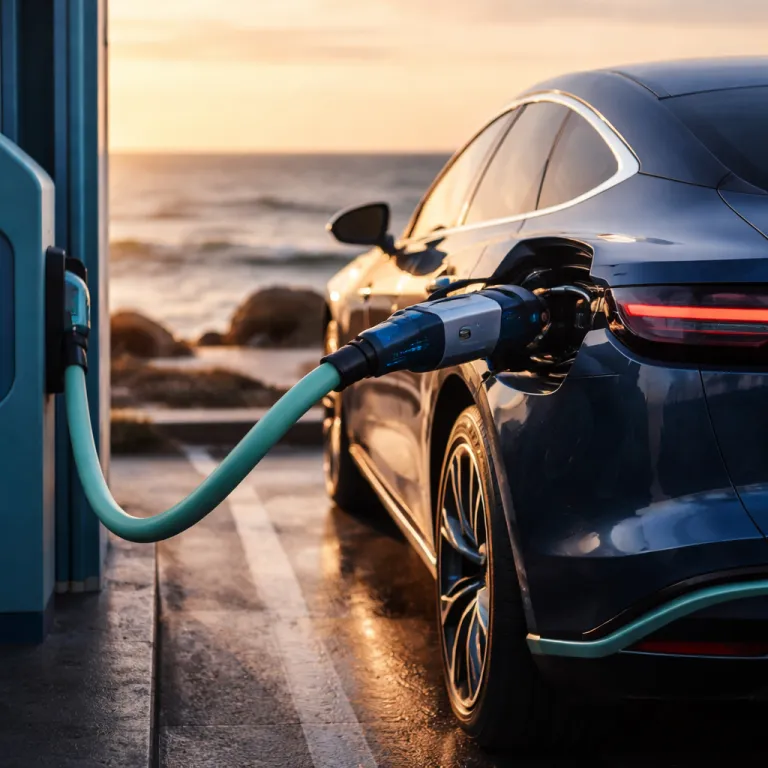
Most marketing around 800V luxury EV architecture fixates on fast charging graphs and ultra fast charging time claims. Yes, higher voltage enables faster charging speeds at compatible charging stations, because the systems can accept high power without melting cables or overloading connectors. The result is faster charging sessions that turn a long lunch into a meaningful top up rather than a reluctant wait in a retail park.
Look closer though, and you see how this architecture reshapes the entire charging infrastructure experience for luxury owners who expect seamless travel. With higher voltage, the car can maintain high charging speed for longer, because the battery and power electronics run cooler and waste less energy as heat. That is why a Porsche Taycan or a Hyundai Ioniq 5 on an 800V derived platform often completes a 10 to 80 percent fast charging window in less real time than rivals that claim similar peak charging speeds on paper.
There is also a subtle benefit in everyday use, because ultra fast capability usually comes with more sophisticated battery conditioning systems that preheat or cool cells before you reach high power chargers. Those systems protect long term battery health while still delivering faster charging when you arrive at high voltage charging stations on a cold morning or after a spirited mountain drive. For owners who care about aesthetics as much as technology, pairing such charging performance with a refined paint tone like a Nardo gray style finish underlines how design and technology can feel equally considered in modern electric vehicles.
Thermal management, real range and performance you can repeat
The real test of any electric vehicle aimed at enthusiasts is not the first acceleration run but the tenth, especially on a hot day. Traditional 400V architectures push high current through the systems to deliver strong performance, which quickly heats the battery, inverters, and motors until software steps in to protect components. That is when you feel a supposedly high performance EV suddenly soften its responses and stretch its charging time because the pack is simply too hot.
By contrast, an 800V luxury EV architecture spreads the same power over higher voltage and lower current, which dramatically reduces resistive heating in cables and power electronics. The battery still works hard, but the thermal load is easier to manage, so cooling circuits and heat pumps can keep temperatures in the sweet spot for both efficiency and performance. On a long descent of an Alpine pass, you notice that regenerative braking remains strong and consistent, rather than fading as the systems reach their thermal ceiling.
This thermal stability also translates into more honest real range, because the car wastes less energy as heat when you exploit its performance envelope. Owners who maintain their cars meticulously, perhaps using specialist services focused on peak performance care for brands like Mercedes Benz, will appreciate how a well designed high voltage architecture preserves both battery health and driving character over years. It is the difference between a luxury EV that feels fresh and eager at high mileage and one that gradually retreats into conservative software limits to protect an overstressed pack.
Cabin space, packaging freedom and the feel from the driver’s seat
Voltage sounds abstract until you sit in the cabin and notice how much space you have for feet, bags, and passengers. Because an 800V luxury EV architecture uses slimmer high voltage cabling and more compact power electronics, designers can lower the floor slightly, reshape the centre tunnel, and free up storage without compromising safety. The result is a cabin that feels more like a tailored lounge than a converted combustion car, with better proportions and more natural seating positions.
Cars such as the Hyundai Ioniq 5 and its related Hyundai Kia models show how this packaging freedom can create almost living room like rear legroom in relatively compact vehicles. At the higher end, the Porsche Taycan and Audi e-tron GT use their architecture to sink occupants low between the axles, giving a sports car driving position while still accommodating a substantial battery pack. That balance between low hip point, generous range, and high performance is only possible because the systems can route high power through a more efficient layout.
For owners who care about the details, this packaging story extends to luggage space, frunk usability, and even the feel of the steering as weight distribution improves. A well thought out electric vehicle platform also leaves more room for advanced in car technologies, from immersive audio to sophisticated driver assistance systems that do not intrude on cabin design. If you are comparing configurations and luxury features across generations, especially when moving from a refined combustion sedan to a modern EV, it is worth studying how the underlying architecture shapes both the driving position and the everyday usability of the car.
Beyond 800V: Ferrari, Lucid and the next wave of luxury EVs
Once you accept that 800V luxury EV architecture is the new baseline for serious premium electric vehicles, the natural question is what comes next. Ferrari’s move toward an 880V architecture for the forthcoming Luce signals that the upper tier of the market is already pushing beyond today’s high voltage norm in search of even higher performance and more efficient systems. That extra headroom allows engineers to run Halbach array motors and sophisticated power electronics closer to their ideal operating points without sacrificing durability.
Lucid takes a different path with models like the Gravity, using a high voltage layout to package dual motors, rear axle steering, and adjustable air suspension in a way that preserves both range and handling finesse. In both cases, the higher voltage enables high power delivery and faster charging while keeping cable sizes manageable and thermal loads under control. These vehicles show how architecture choices ripple through everything from charging speed to steering feel, rather than acting as a single line item on a brochure.
For a buyer weighing an Audi e-tron GT against a Porsche Taycan or cross shopping a Hyundai Kia 800V platform car with a more traditional 400V rival, the practical takeaway is simple. Voltage matters most when you care about repeated performance, consistent fast charging, and long term efficiency, while raw peak power figures can be misleading if the systems cannot sustain them. In the end, the luxury EV that suits you best is not the one with the loudest acceleration claim but the one that still feels composed, cool, and eager on the third corner of a wet mountain road after a rapid charge.
Key quantitative insights on high voltage luxury EVs
- Battery electric vehicles account for a dominant share of the luxury EV market, with the segment expanding steadily as high voltage architectures become standard in premium models.
- Modern high capacity lithium ion batteries in luxury EVs routinely deliver more than 500 km of range per charge when paired with efficient 800V systems and advanced thermal management.
- Early adopters of 800V luxury EV architecture, such as the Porsche Taycan and Audi e-tron GT, set benchmarks for fast charging performance that newer premium electric vehicles now aim to match or exceed.
- Emerging ultra high voltage platforms, including Ferrari’s 880V approach for the Luce, indicate that the top end of the market is moving beyond 800V in pursuit of even higher performance and efficiency.
- High voltage packaging, as seen in vehicles like the Lucid Gravity, enables complex chassis technologies such as rear axle steering and adjustable air suspension without compromising cabin space.
Frequently asked questions about 800V luxury EV architecture
Does an 800V architecture always mean faster charging in real life ?
An 800V architecture enables higher potential charging speeds, but real world results depend on the charging infrastructure and the car’s thermal management. When you connect to compatible high power charging stations, an 800V luxury EV can usually sustain higher charging speeds for longer than a 400V rival. However, if the charger is limited or the battery is not properly conditioned, the advantage shrinks and charging time differences become less dramatic.
How does 800V affect battery longevity and long term efficiency ?
Running at higher voltage allows the systems to deliver the same power with lower current, which reduces resistive heating in cables, inverters, and the battery itself. Lower heat generation means the thermal management system works less aggressively, which generally supports better long term battery health and more stable efficiency. Over years of use, this can translate into more consistent real range and less noticeable performance degradation compared with similar electric vehicles on lower voltage platforms.
Is an 800V EV always better than a 400V EV for city driving ?
In urban use, the benefits of 800V luxury EV architecture are more subtle, because you rarely exploit maximum charging speed or sustained high performance. You still gain from lighter cabling, more efficient power electronics, and potentially better packaging, which can improve comfort and everyday efficiency. However, if your driving is almost entirely low speed and you rarely use fast charging, a well engineered 400V electric vehicle can still feel perfectly adequate.
What should I prioritise when choosing between different high voltage luxury EVs ?
Start by looking at how the car balances performance, range, and charging speed in independent tests rather than relying solely on peak figures. Then assess cabin packaging, driving position, and in car technologies, because the best use of an 800V platform is often felt in comfort and usability rather than raw numbers. Finally, consider the charging infrastructure you actually use, since owning a high performance 800V EV only pays off fully if you have reliable access to high power chargers on your regular routes.
Will future ultra high voltage systems make current 800V luxury EVs obsolete ?
Ultra high voltage systems such as 880V will raise the ceiling for performance and charging, but they do not suddenly make today’s 800V luxury EVs outdated. Current 800V models already deliver very high performance, efficient operation, and excellent fast charging capability that will remain competitive for many years. For most owners, the limiting factor will be the evolution of charging infrastructure and software features, not the absolute voltage of the underlying architecture.