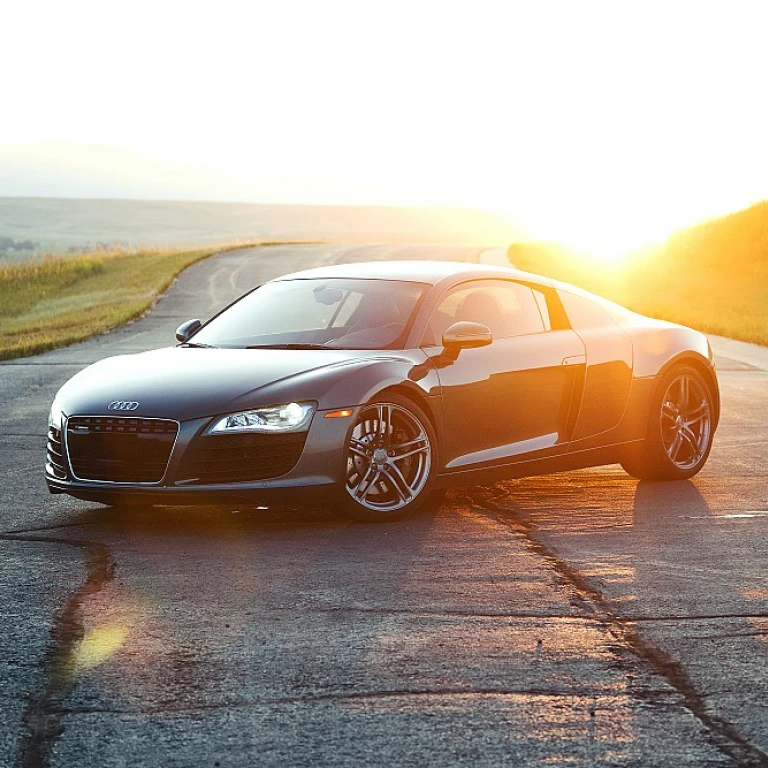
Why 90s sports cars resonate with luxury car owners
Timeless Appeal for the Discerning Enthusiast
For luxury car owners, the 90s sports car era holds a unique resonance. These cars represent more than just speed and performance—they embody a period when automotive design and engineering reached a thrilling intersection of analog purity and technological innovation. The allure of a naturally aspirated engine or the rush of a twin turbo setup, as seen in models like the Toyota Supra or the Porsche Turbo, offers a driving sensation that modern cars, with their digital aids, rarely replicate.
Owning a 90s sports car is about connecting with a time when brands like Ferrari, BMW, Aston Martin, and Mercedes Benz pushed boundaries. The unmistakable silhouette of a Lamborghini Diablo or the raw power of a Dodge Viper evoke nostalgia and admiration among those who appreciate the finer details of automotive history. These cars were built for the race track, yet they remain icons on the road, boasting top speed figures and 0-60 mph seconds times that still impress today.
- Distinctive designs: From the wedge-shaped Lotus Esprit Turbo to the bold lines of the Nissan Skyline, each model tells a story of innovation and ambition.
- Performance benchmarks: The era saw the rise of Japanese sports cars, with the Toyota Supra and Nissan Skyline setting new standards for speed mph and handling.
- Exclusivity and status: Limited production runs and unique features make these cars highly sought after by collectors and enthusiasts alike.
For many luxury car owners, driving a 90s sports car is about more than nostalgia—it's about experiencing the unfiltered connection between driver and machine. The analog controls, the sound of a high-revving engine, and the challenge of mastering a manual gearbox create a sense of engagement that modern sports cars, with their advanced electronics, often lack.
As the market for these classics continues to evolve, their investment value and the thrill of ownership remain strong topics of interest. If you're curious about the financial aspects of enjoying such iconic cars, this guide to the costs of renting a Ferrari offers valuable insights for both seasoned collectors and newcomers to the world of luxury sports cars.
Iconic models that shaped the era
Defining Legends: The Standout Models of the 90s
The 1990s gifted the automotive world a fleet of sports cars that continue to inspire passion among luxury car owners. These cars were more than just status symbols—they were engineering marvels, each with a distinct character and a story that shaped the era. Let’s look at some of the most iconic models that defined the decade, and why they still command attention on the road and at auctions today.- Porsche 911 Turbo (993): The last air-cooled 911 Turbo, this model is revered for its raw engine sound and timeless design. With a twin turbocharged flat-six engine, it could sprint from 0 to 60 mph in just over 4 seconds, making it a benchmark for performance and luxury.
- Ferrari F355: Combining a high-revving V8 engine with razor-sharp handling, the F355 was a turning point for Ferrari. Its 380 hp output and 4.6 seconds 0-60 mph time made it a favorite among purists who craved both speed and Italian flair.
- Lamborghini Diablo: The Diablo’s V12 engine and dramatic styling made it an instant classic. With a top speed exceeding 200 mph, it was one of the fastest cars of its time, embodying the spirit of 90s excess and performance.
- Toyota Supra (A80): The Japanese sports car that became a legend, thanks to its bulletproof twin turbo engine and immense tuning potential. The Supra’s 0-60 mph time of around 4.6 seconds and its role in motorsport and pop culture cemented its status.
- Nissan Skyline GT-R (R34): Revered for its advanced technology and race track prowess, the Skyline GT-R featured all-wheel drive and a twin turbo inline-six engine. Its reputation for speed and handling made it a hero among enthusiasts worldwide.
- Lotus Esprit Turbo & Elise: The Esprit Turbo delivered exotic looks and a lightweight chassis, while the Elise redefined the sports car experience with its minimalist approach and agile handling. Both models showcased Lotus’s dedication to pure driving thrills.
- Dodge Viper: With its massive V10 engine and unfiltered driving experience, the Viper was an American answer to European sports cars. Its brutal acceleration and raw appeal made it a standout on both the street and the race track.
- BMW M3 (E36): The E36 M3 balanced everyday usability with sports car performance. Its straight-six engine, precise steering, and balanced chassis made it a favorite for those who wanted a car that could excel on the road and at the track.
- Mercedes-Benz SL600: The SL600 brought V12 luxury to the sports car segment, blending effortless speed with comfort. Its understated design and powerful engine made it a discreet yet potent choice for discerning owners.
- Aston Martin DB7: The DB7 marked a new era for Aston Martin, combining British elegance with a supercharged inline-six or V12 engine. Its blend of style, speed, and exclusivity made it a true luxury sports car of the 90s.
Performance and engineering: a golden age revisited
The Art of Mechanical Excellence
For luxury car enthusiasts, the 1990s marked a golden era of sports car engineering. This decade saw a remarkable blend of analog driving feel and cutting-edge technology, creating a unique performance experience that modern cars often struggle to replicate. The focus was on pure connection between driver and machine, with engines and chassis designed for feedback and excitement rather than digital intervention.
- Engines: The 90s delivered legendary powerplants. The Toyota Supra with its twin turbo engine, the Nissan Skyline GT-R’s advanced all-wheel drive and turbocharged inline-six, and the Lamborghini Diablo’s V12 all set new benchmarks. The Porsche Turbo models, especially the 993, became icons for their blend of speed and reliability.
- Performance: Many 90s sports cars achieved 0-60 mph times in under five seconds, with top speeds exceeding 180 mph. The Dodge Viper and Ferrari F355 were standouts, offering raw power and thrilling acceleration. The Lotus Esprit Turbo and Lotus Elise proved that lightweight engineering could deliver race track agility and everyday usability.
- Engineering Innovations: The era saw the rise of advanced suspension systems, improved aerodynamics, and the first widespread use of electronic aids like ABS. Yet, the driving experience remained analog—steering, shifting, and braking were tactile and direct.
Models like the BMW M3, Mercedes Benz SL, and Aston Martin DB7 balanced luxury with performance, making them favorites among discerning owners. Japanese sports cars, such as the Toyota Supra and Nissan Skyline, brought reliability and tuning potential to the mix, while European legends like the Porsche Boxster and Ferrari 355 offered refinement and prestige.
Driving a 90s sports car today is about more than just numbers. It’s about the sensation of a free-revving engine, the challenge of mastering a manual gearbox, and the thrill of pushing a car to its limits on a race track. For those seeking the ultimate in luxury and analog excitement, few experiences compare. If you’re curious about how modern luxury experiences can complement classic performance, discover the elegance of renting a Rolls Royce Ghost for your next automotive adventure.
Investment value and market trends
Classic Appeal Meets Modern Investment
For luxury car owners, the 90s sports car market is more than nostalgia—it's a strategic investment. The allure of models like the Porsche Turbo, Ferrari F355, Lamborghini Diablo, and BMW M3 has grown steadily, with collectors and enthusiasts recognizing their unique blend of analog performance and timeless design. The engine characteristics, such as the twin turbo setups in the Toyota Supra and Nissan Skyline, or the raw V10 power of the Dodge Viper, have become benchmarks for value appreciation.
Market Trends: Rising Values and Demand
- Limited production numbers and iconic status have driven up prices for models like the Lotus Esprit Turbo, Lotus Elise, and Porsche Boxster.
- Japanese sports cars, especially the Nissan Skyline and Toyota Supra, have seen a surge in demand, partly due to their performance on the race track and pop culture influence.
- European classics such as the Aston Martin DB7 and Mercedes Benz SL are increasingly sought after for their blend of luxury and speed.
| Model | Engine | 0-60 mph (seconds) | Top Speed (mph) | Recent Market Value* |
|---|---|---|---|---|
| Porsche Turbo (993) | 3.6L Twin Turbo | 3.7 | 180 | $250,000+ |
| Toyota Supra (Mk4) | 3.0L Twin Turbo | 4.6 | 155 | $120,000+ |
| Lamborghini Diablo | 5.7L V12 | 4.5 | 202 | $350,000+ |
| Lotus Esprit Turbo | 2.2L Turbo | 4.7 | 165 | $70,000+ |
| Dodge Viper | 8.0L V10 | 4.6 | 165 | $90,000+ |
*Market values are approximate and based on recent auction results and specialist news sources as of 2024.
Why the Surge?
The combination of analog driving thrills, distinctive styling, and limited availability has made these cars highly desirable. As digital technology dominates modern sports cars, the tactile feedback and mechanical purity of 90s models are increasingly rare. Collectors value the free-revving engines, manual gearboxes, and the unmistakable soundtracks of cars like the Porsche Turbo and Aston Martin. The market is also influenced by a new generation of buyers who grew up admiring these cars in magazines and on the race track, fueling demand and pushing prices higher.
For those considering entry into this market, it's essential to monitor trends, consult trusted news sources, and understand the unique maintenance needs of each model. The right 90s sports car can offer both exhilarating performance and impressive investment potential.
Driving experience: analog thrills in a digital world
Analog Sensations: The Pure Connection
Driving a 90s sports car is a unique experience, especially for those accustomed to the digital precision of modern luxury cars. The absence of electronic driver aids means every input—steering, throttle, braking—translates directly to the road. Whether you’re behind the wheel of a Porsche Turbo, Ferrari, or a BMW M model, the feedback is immediate and unfiltered. This analog connection is what many owners cherish: the sensation of the engine revving, the mechanical feel of the gearbox, and the raw sound that fills the cabin.
Speed and Performance: Numbers That Still Impress
Many 90s sports cars deliver performance figures that remain impressive today. Consider the Lamborghini Diablo, with a top speed exceeding 200 mph, or the Toyota Supra Twin Turbo, which could sprint from 0 to 60 mph in under five seconds. The Dodge Viper, Nissan Skyline, and Lotus Esprit Turbo also offered thrilling acceleration and handling, making them favorites on the race track and open road alike. These cars were engineered for speed, with engines and chassis designed to maximize every second and every mph.
- Porsche Turbo: Renowned for its balance and turbocharged punch
- Lotus Elise and Esprit: Lightweight agility, especially in the Esprit Turbo
- Mercedes Benz and Aston Martin: Blending luxury with performance, offering a refined yet thrilling drive
- Japanese sports icons: The Nissan Skyline and Toyota Supra set new standards for turbocharged performance
Modern Roads, Classic Thrills
In today’s world of advanced driver assistance systems and digital dashboards, the tactile nature of 90s sports cars stands out. There’s no substitute for the feeling of a manual gearbox or the rush of a naturally aspirated or twin turbo engine. Even the Porsche Boxster, introduced in the late 90s, offered a free-revving experience that’s hard to replicate in newer models. On winding roads or the race track, these cars demand skill and reward confidence, making every drive memorable.
For luxury car owners, the appeal is clear: 90s sports cars deliver a driving experience that’s both engaging and authentic, a reminder of a golden age when speed, sound, and sensation were at the heart of every journey.
Maintenance, restoration, and ownership challenges
Preserving Performance: The Realities of 90s Sports Car Ownership
Owning a 90s sports car is a statement of passion and taste, but it comes with unique challenges that set it apart from modern luxury vehicles. These cars, whether a Porsche Turbo, Ferrari, or the legendary Toyota Supra twin turbo, require a different approach to maintenance and restoration.- Parts Availability: Sourcing original parts for models like the Nissan Skyline, Lotus Esprit Turbo, or Aston Martin can be time-consuming and costly. Some components, especially for limited-production cars, may only be available through specialist suppliers or salvage networks.
- Mechanical Complexity: The engineering of 90s sports cars—think BMW M models, Dodge Viper, or the Mercedes Benz SL—often blends analog systems with early digital tech. This means that while the engine and turbo systems are robust, electronics like ECUs or ABS modules can be tricky to diagnose and repair.
- Restoration Expertise: Restoring a classic Lotus Elise or Porsche Boxster to its original performance and top speed (often over 150 mph) demands skilled technicians familiar with the era’s technology. Not every modern workshop is equipped for these cars, so finding the right expert is crucial.
- Maintenance Costs: Routine upkeep, from suspension to brakes, can be more expensive than on newer sports cars. For example, the cost of maintaining a Lamborghini Diablo’s V12 engine or a turbocharged Japanese sports car can quickly add up, especially if you want to preserve its seconds top speed and race track readiness.
Ownership: The Balance Between Joy and Responsibility
Driving a 90s sports car is about more than just speed mph or acceleration times. The analog feel, the sound of the engine, and the direct connection to the road are unmatched by today’s digital luxury cars. But this experience comes with responsibilities:- Regular Use vs. Preservation: Cars like the Lotus Esprit or Aston Martin thrive when driven, but excessive mileage can impact investment value. Many owners balance spirited drives with careful storage to maintain both performance and market appeal.
- Insurance and Documentation: Classic sports cars often require specialized insurance and meticulous record-keeping. This is especially true for rare models or those with significant motorsport heritage.
- Community Support: Enthusiast forums and owners’ clubs are invaluable for sharing news, sourcing free advice, and finding trusted service providers. The collective knowledge around models like the Porsche Turbo or Japanese sports icons can save both time and money.