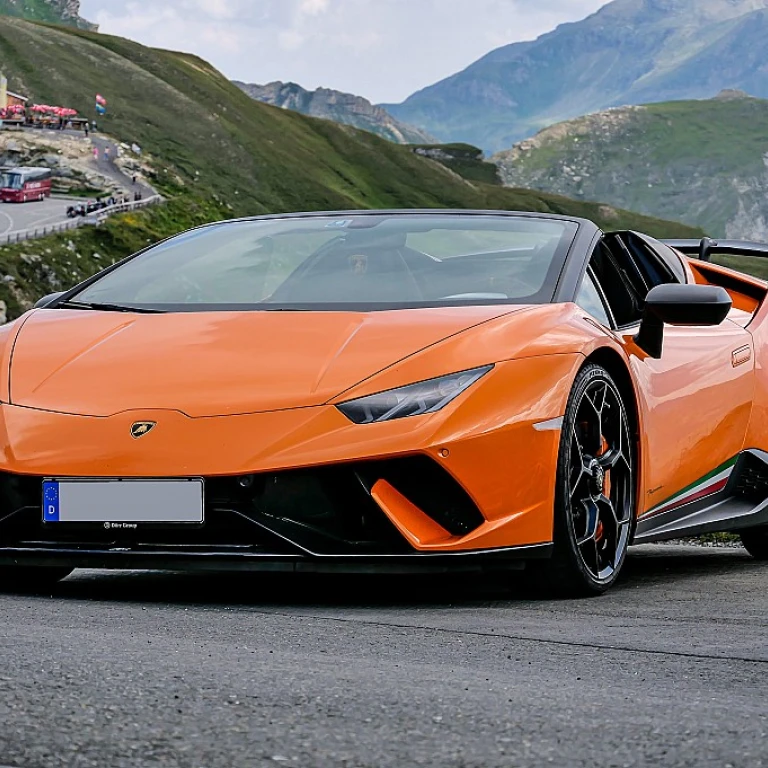
Timeless design cues that set the era apart
Design Language: Where Heritage Meets Modernity
The 2000s marked a pivotal era for sports car design, blending classic proportions with bold, modern lines. This decade saw the coupe and roadster forms reimagined, with brands like Ferrari, Porsche, and Aston Martin introducing models that balanced elegance and aggression. The Ferrari 360 Modena, for example, showcased flowing curves and a mid-engine layout, while the Porsche Carrera GT brought carbon fiber and aerodynamic efficiency to the forefront. BMW’s Z8 and the Mercedes-Benz SL roadster paid homage to their heritage with retro cues, yet delivered unmistakably contemporary silhouettes.Signature Elements Across Brands
Sports cars from this period often featured:- Distinctive front grilles and sharp headlights, as seen on the Audi R8 and Alfa Romeo 8C Competizione
- Wide, muscular rear haunches on models like the Chevrolet Corvette C6 and Ford GT
- Convertible and coupe cabriolet options, offering both open-air and hardtop experiences
- Functional aerodynamic elements, such as active spoilers and diffusers, especially on track-focused cars like the Pagani Zonda
Materials and Craftsmanship
Limited production runs allowed manufacturers to experiment with advanced materials. Carbon fiber, aluminum, and magnesium became more common, reducing weight and enhancing performance. Interiors were equally impressive, with hand-stitched leather, bespoke trim, and analog gauges that connected drivers to the car’s spirit. The attention to detail in models like the Aston Martin DB9 and Mercedes AMG models elevated the ownership experience.Iconic Proportions and Performance Cues
The long hood, short deck proportions defined the era’s coupes and roadsters. Large air intakes, quad exhausts, and pronounced wheel arches weren’t just for show—they hinted at the power torque and engine performance beneath. Limited units and special editions often featured unique color palettes and exclusive badging, making each car a statement of individuality. For those seeking the ultimate in exclusivity and design innovation, exploring the exclusivity of owning a Lotus Evija offers a glimpse into how modern hypercars continue this legacy. These design cues set the foundation for the performance evolution and driving sensations that defined the 2000s sports car experience, and continue to influence today’s luxury collections.Performance evolution and driving sensations
Unleashing Power: The Heart of 2000s Sports Cars
The 2000s marked a turning point for sports cars, where raw power met advanced engineering. This era saw the rise of legendary engines, from the naturally aspirated V8 in the BMW M3 coupe to the thunderous V12 of the Ferrari 599 GTB. Porsche continued to refine its flat-six engine in the iconic Porsche Carrera, while Mercedes AMG pushed the limits with supercharged V8s in models like the SL55 AMG roadster. Each car delivered a unique blend of power torque and driving sensations, making every journey memorable.Transmission Choices: Manual or Automated?
Enthusiasts often debate the merits of the classic manual transmission versus the emerging automated gearboxes. The 2000s offered both: the tactile engagement of a 6-speed manual in the Chevrolet Corvette and the lightning-fast paddle shifts in the Ferrari F430 coupe cabriolet. Audi and BMW introduced dual-clutch systems, offering rapid gear changes without sacrificing control. This transition shaped the way drivers connected with their sports cars, balancing analog purity with digital precision. For those interested in the evolution of Audi's performance, the Audi R8 GT2 Road stands as a testament to this era's innovation.Speed and Performance Benchmarks
Manufacturers competed fiercely to break records, with many models achieving 0-60 mph in under 4 seconds. The Pagani Zonda, a limited production marvel, stunned with its acceleration and exclusivity. Mercedes Benz and Aston Martin also joined the race, releasing limited units of high-performance coupes and roadsters. The Ford GT and Alfa Romeo 8C Competizione brought American and Italian flair to the track car scene, each boasting impressive mph seconds and handling dynamics.- Ferrari Enzo: 0-60 mph in 3.1 seconds, limited units
- Porsche Carrera GT: 5.7L V10 engine, 6-speed manual, coupe convertible
- Chevrolet Corvette Z06: 505 hp, manual transmission speed
- Mercedes AMG SLS: Gullwing doors, naturally aspirated V8
- Aston Martin DB9: V12 power, grand touring comfort
Driving Sensations: Beyond the Numbers
The true essence of a 2000s sports car lies in its ability to connect driver and machine. Whether piloting a BMW M3 coupe through winding roads or experiencing the open-air thrill of a Mercedes SL roadster, these cars delivered feedback and excitement unmatched by many modern vehicles. Limited production runs and bespoke options added to the allure, making each model a coveted piece for collectors and enthusiasts in the United States and beyond.The rise of exclusive editions and bespoke options
Exclusivity Through Limited Production and Bespoke Craftsmanship
The 2000s marked a turning point for sports car enthusiasts seeking more than just speed and power torque. Luxury brands like Ferrari, Porsche, and Aston Martin began to offer limited production runs and bespoke options, transforming the ownership experience into something truly unique. For many collectors, owning a coupe or roadster from this era meant joining an exclusive club defined by rarity and personal expression.- Limited Units: Models such as the Ferrari Enzo, Pagani Zonda, and the Mercedes AMG SLS Black Series were produced in strictly limited numbers. For example, only 399 Ferrari Enzos were built, each with a 6.0-liter V12 engine capable of reaching 217 mph. These limited units quickly became coveted assets, often appreciating in value over time (source: Ferrari official production data).
- Bespoke Options: Brands like Aston Martin and Porsche introduced customisation programs, allowing owners to tailor their cars with unique paint finishes, interior trims, and even performance upgrades. The Porsche Carrera GT, for instance, offered a range of exclusive materials and finishes, making each coupe cabriolet or roadster distinct.
- Special Editions: The BMW M3 CSL, Alfa Romeo 8C Competizione, and Chevrolet Corvette Z06 Carbon Edition are prime examples of sports cars that pushed the boundaries of design and engineering. These models often featured upgraded engines, lighter materials, and enhanced transmission speed, such as the 6-speed manual found in the Ford GT, which delivered a raw, analog driving sensation.
| Model | Engine | Units Produced | 0-60 mph (seconds) | Transmission |
|---|---|---|---|---|
| Ferrari Enzo | V12 | 399 | 3.1 | 6-speed automated manual |
| Porsche Carrera GT | V10 | 1,270 | 3.5 | 6-speed manual |
| Pagani Zonda | V12 | 140 (all variants) | 3.7 | 6-speed manual |
| BMW M3 CSL | Inline-6 | 1,383 | 4.8 | 6-speed automated manual |
| Aston Martin V12 Vantage | V12 | 1,200 (approx.) | 4.1 | 6-speed manual |
Ownership experience: maintenance, value, and community
Living with a 2000s Sports Car: Realities and Rewards
Owning a sports car from the 2000s is more than just about speed or design. It’s a unique experience that blends mechanical engagement, exclusivity, and a sense of community. Whether you drive a Porsche Carrera coupe, a Ferrari roadster, or a limited production Aston Martin, each model brings its own set of joys and challenges.
- Maintenance and Upkeep: The engineering of these cars, from the naturally aspirated engines of the BMW M3 to the power torque of a Mercedes AMG, demands attention. Regular servicing is crucial, especially for models with manual or transmission speed gearboxes. Parts for limited units like the Pagani Zonda or Alfa Romeo coupe convertible can be rare and expensive, so sourcing expertise is essential.
- Value Retention: Many 2000s sports cars, such as the Ford GT or Chevrolet Corvette, have seen their value rise, particularly for limited units or coupe cabriolet variants. The rarity of certain models—like those with a 6-speed manual or unique engine configurations—makes them highly sought after in the United States and beyond. Cars sale data shows that well-maintained examples often command a premium.
- Community and Events: Owners of these sports cars often find themselves part of a passionate community. From track car days to exclusive gatherings for Ferrari, Porsche, or Mercedes Benz enthusiasts, the camaraderie is a significant part of the ownership experience. Sharing insights about engine upgrades, mph seconds performance, or the nuances of coupe versus roadster models fosters lasting connections.
Choosing a 2000s sports car is about more than just the numbers. It’s about the tactile feel of a speed manual, the sound of a V8 or V12 engine, and the pride of owning a piece of automotive history. Whether your preference is for a limited production Audi, a classic Aston Martin, or a modern Mercedes AMG, the ownership journey is as rewarding as the drive itself.
Comparing analog and digital: the transition years
When Analog Met Digital: The Shift in Sports Car Experience
The 2000s marked a pivotal era for sports cars, especially for luxury models from brands like Porsche, Ferrari, BMW, and Mercedes. This was the decade when analog driving purity began to blend with digital innovation, creating a unique ownership experience for enthusiasts and collectors alike.
- Transmission speed and feel: Many iconic models, such as the Porsche Carrera and BMW M3, offered both manual and automated transmission options. The classic 6-speed manual transmission became a symbol of driver engagement, while new dual-clutch and paddle-shift systems from brands like Audi and Mercedes AMG introduced faster gear changes and broader appeal.
- Performance data at your fingertips: The integration of digital dashboards and advanced telemetry in cars like the Ferrari F430 and Mercedes Benz SL55 AMG allowed owners to monitor power torque, engine status, and mph seconds, bridging the gap between track car precision and daily usability.
- Driving sensations: Analog coupes and roadsters, such as the Aston Martin V8 Vantage and Alfa Romeo 8C, delivered raw feedback through the steering and chassis. Meanwhile, limited production models like the Pagani Zonda and Ford GT began to incorporate electronic aids, enhancing safety without diluting the thrill.
For collectors, the choice between a coupe convertible with a traditional manual or a coupe cabriolet with advanced electronics became a defining factor. Limited units of models like the Chevrolet Corvette Z06 and Aston Martin DB9 offered both analog charm and digital convenience, making them highly sought-after in the United States and beyond.
Ultimately, the transition years of the 2000s gave owners a rare opportunity to experience the best of both worlds. Whether you preferred the tactile connection of a manual transmission or the cutting-edge speed of a dual-clutch, these sports cars delivered a blend of nostalgia and innovation that continues to shape the luxury car landscape today.
Why these models remain icons in luxury collections
Why Collectors Still Seek 2000s Sports Cars
For luxury car owners, the sports cars of the 2000s remain a benchmark in automotive excellence. These models—whether a coupe, roadster, or coupe convertible—stand out for their blend of timeless design, thrilling performance, and exclusivity. The era saw the rise of limited production runs, with brands like Ferrari, Porsche, BMW, Mercedes Benz, and Aston Martin offering cars in limited units, making each model a coveted piece for collectors.
- Performance and Engineering: The 2000s brought significant advances in engine technology, power torque, and transmission speed. Cars like the Porsche Carrera, Ferrari coupe, and Chevrolet Corvette delivered impressive mph figures and acceleration times, often reaching 60 mph in just a few seconds. Manual and speed manual transmissions offered a direct connection to the road, a sensation many owners still crave today.
- Exclusivity: Limited editions and bespoke options became a hallmark of the decade. Models such as the Pagani Zonda, Aston Martin roadster, and select Mercedes AMG units were produced in small numbers, increasing their desirability and long-term value. For many, owning a car from this era means joining an exclusive club of enthusiasts.
- Analog Meets Digital: The transition from analog to digital controls was underway, but many 2000s sports cars retained tactile feedback and mechanical engagement. This balance appeals to drivers who appreciate both classic driving sensations and modern conveniences.
- Community and Value: The ownership experience extends beyond the car itself. Owners of 2000s sports cars often participate in dedicated clubs and events, sharing their passion for models like the Alfa Romeo coupe, Audi sports car, or Ford limited edition. These communities help maintain high demand and strong resale values, especially for cars sale in the United States and Europe.
| Model | Engine | 0-60 mph (seconds) | Production Units |
|---|---|---|---|
| Porsche Carrera GT | V10 | 3.5 | 1,270 |
| Ferrari 360 Modena | V8 | 4.5 | 8,800 |
| Mercedes AMG SLS | V8 | 3.7 | 2,700 |
| Pagani Zonda F | V12 | 3.6 | 25 |
| Chevrolet Corvette Z06 | V8 | 3.7 | 8,000 |
Ultimately, the sports cars of the 2000s have earned their place in luxury collections due to their unique combination of design, performance, and rarity. Whether you favor a coupe cabriolet, a track car, or a limited edition roadster, these cars continue to inspire admiration and passion among discerning owners worldwide.
