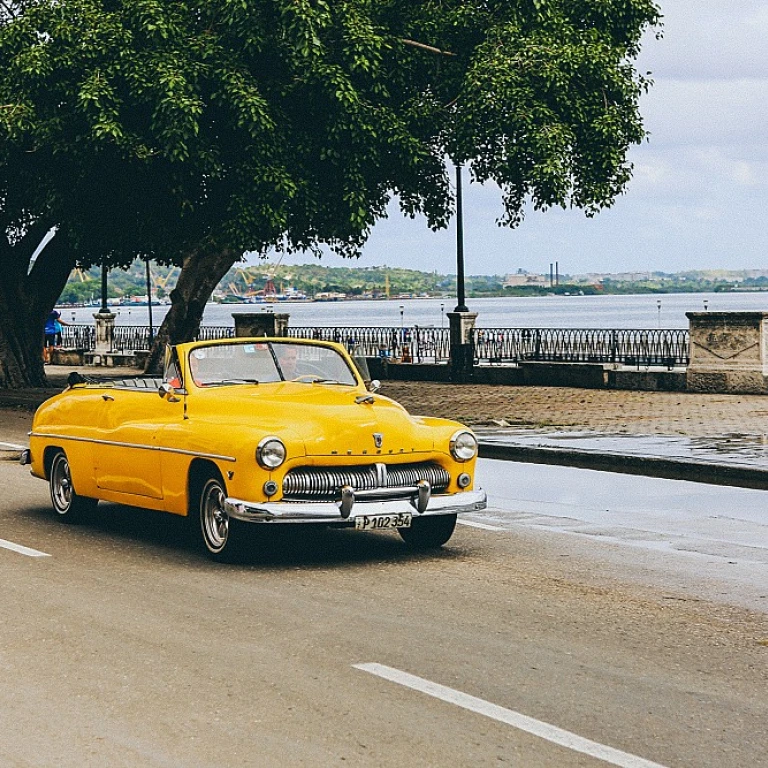
The allure of 90s sports car design
Timeless Curves and Bold Statements
The 1990s marked a golden era for sports car design, where form and function met in striking harmony. Cars from this decade, like the Porsche 911, Mazda Miata, and Toyota Supra, showcased sculpted bodies, pop-up headlights, and purposeful stances that remain iconic today. The allure lies not just in their looks, but in how these shapes promised speed, agility, and pure driving pleasure. Whether you admired the wide haunches of a Dodge Viper or the low-slung elegance of the Acura NSX, these cars made a statement before the engine even started.
Engineering That Defined a Generation
Under the hood, the 90s sports car scene was a playground for innovation. Enthusiasts still debate the merits of naturally aspirated versus twin turbo setups, with models like the Toyota Supra and Nissan Skyline pushing boundaries with turbocharged power. The Mazda RX-7 and BMW M3 delivered high-revving engines that made every mph feel earned. Even the humble Mazda Miata, with its lightweight chassis and responsive liter engine, proved that pure driving joy didn’t require massive horsepower. The focus was on the connection between car and driver, a theme that continues to resonate with collectors and enthusiasts.
Performance That Still Excites
- Top speed and 0-60 mph seconds times became bragging rights, with cars like the Dodge Viper and Toyota Supra joining the list of best performers.
- Japanese sports cars, such as the Mazda RX-7 and Acura NSX, challenged established European and American cars with advanced cylinder engine technology and rear wheel drive layouts.
- Manual transmissions and analog controls gave drivers a sense of mastery that’s often missing in today’s digital age.
For those seeking the thrill of classic performance, the 90s offer a unique blend of speed, power, and style. If you’re inspired to experience the excitement firsthand, consider exploring the thrill of driving a modern sports car—it’s a reminder of how far the segment has come, while still honoring its roots.
Driving experience: analog thrills in a digital age
Raw Connection: The Sensation Behind the Wheel
Driving a 1990s sports car is a visceral experience that stands apart from today’s digital-heavy vehicles. The moment you settle into the driver’s seat, you notice the difference. There’s a directness in the steering, a mechanical feedback from the road, and a sense of control that modern cars often filter out. Whether you’re piloting a Porsche with its iconic rear-engine layout or a Mazda Miata with its lightweight, balanced chassis, the analog nature of these cars delivers pure driving pleasure.
- Engines from this era—like the naturally aspirated BMW inline-six, the Toyota Supra twin turbo, or the thunderous Dodge Viper V10—offer a unique blend of power and character. The sound, vibration, and throttle response are unfiltered, making every drive memorable.
- Manual transmissions are the norm, with crisp shifts and a clutch pedal that demands engagement. The speed manual gearbox in the Acura NSX or the short-throw shifter in the Mazda Miata are benchmarks for driver involvement.
- Performance figures from the 90s still impress: top speeds exceeding 150 mph, 0-60 mph times in the low seconds, and a list of cars that could rival today’s best in terms of driving excitement.
Unlike many modern sports cars that rely on electronic aids, 90s models put the driver at the center. There’s no traction control to save you if you overcook a corner, and the feedback from the chassis and steering is immediate. This analog thrill is why enthusiasts continue to seek out these cars, whether it’s a Japanese sports icon like the Mazda RX-7 twin turbo or a lightweight Lotus Elise.
For those who appreciate the art of driving, the 1990s represent a golden era. The blend of performance, mechanical purity, and emotional connection is hard to replicate. If you’re curious about the unique appeal of classic Porsche models from this period, you might enjoy reading about the iconic appeal of the whale tail Porsche.
Ultimately, the analog thrills of 90s sports cars continue to captivate owners who value the journey as much as the destination. The sense of community and exclusivity among these enthusiasts is only strengthened by the shared appreciation for these timeless machines.
Collectibility and investment value
Why 90s Sports Cars Are Gaining Value
The 1990s marked a golden era for sports cars, with models that combined raw power, innovative engineering, and timeless design. Today, these cars are not just admired for their performance but also for their increasing collectibility and investment value. The surge in demand for icons like the Porsche 911 Turbo, Toyota Supra, Mazda Miata, and Acura NSX is driven by enthusiasts who appreciate their analog driving experience and mechanical purity, which stands out in a world dominated by digital controls.
- Performance Heritage: Many 90s sports cars feature legendary engines, such as the twin turbocharged inline-six in the Toyota Supra or the naturally aspirated V10 in the Dodge Viper. These engines deliver exhilarating top speed and acceleration, with some models achieving 0-60 mph times in just a few seconds.
- Limited Production: Cars like the Lotus Elise and certain BMW M models were produced in limited numbers, making them rare finds today. This exclusivity enhances their desirability and long-term value.
- Japanese Sports Icons: The 90s saw Japanese sports cars like the Mazda Miata and Toyota Supra join the ranks of the best performance cars, offering reliability and impressive speed for their class.
Investment-minded owners are drawn to these cars not only for their driving thrills but also for their potential to appreciate in value. According to market data, well-maintained examples with original cylinder engines and low mileage are fetching top prices at auctions and private sales. The Porsche GT3 and GT4 comparison highlights how certain models become benchmarks for collectors seeking the best blend of speed, power, and exclusivity.
For those who appreciate the analog thrills discussed earlier, owning a 90s sports car is more than a nostalgic pursuit. It is a statement of taste and a savvy investment, especially as modern cars shift toward digital interfaces and hybrid powertrains. Whether you favor the turbocharged rush of a Supra, the balanced handling of a Miata, or the raw American power of a Dodge Viper, the 90s offer a list of sports cars that continue to climb in value and prestige.
Maintenance and restoration challenges
Keeping Legends Alive: The Realities of 90s Sports Car Upkeep
Owning a 1990s sports car is a statement of passion, but maintaining these icons is a journey that demands commitment. Whether you drive a turbocharged Toyota Supra, a naturally aspirated Acura NSX, or a classic Mazda Miata, each car comes with its own set of challenges and rewards.- Parts Availability: Sourcing original parts for Japanese sports cars like the Mazda RX-7 or the Nissan 300ZX can be a test of patience. European legends such as the Porsche 911 or BMW M3 may offer better support, but rare trims and limited-run models often require global searches and specialist suppliers.
- Engine Complexity: The twin turbo setups in cars like the Supra or the American muscle of the Dodge Viper’s V10 cylinder engine demand specialized knowledge. Routine maintenance is more than just oil changes; it’s about understanding the unique engineering of each sports car, from the 1.6-liter engine in the Miata to the high-revving powerplants in the Lotus Elise.
- Performance Preservation: To keep these cars delivering their best speed, power, and top mph, regular attention to suspension, brakes, and drivetrain is essential. Many owners join forums and clubs to share advice, compare posts likes, and build a list of trusted mechanics who understand the nuances of these machines.
- Restoration Costs: Restoring a 90s sports car to its original glory can be costly. Paintwork, interior trim, and electronics from this era often require bespoke solutions. Advertisement for restoration services is common, but expertise varies—choosing the right specialist is crucial for preserving value and performance.
Modern comforts versus classic simplicity
Comparing Creature Comforts: Then and Now
The 1990s sports car era is often celebrated for its pure driving experience, but when it comes to comfort and technology, these cars tell a different story. Owners of models like the Mazda Miata, Toyota Supra, or the iconic Porsche 911 from this period quickly notice the absence of features now considered standard in modern luxury cars.- Climate Control: Many 90s sports cars offered basic air conditioning and manual controls, a far cry from today’s dual-zone automatic climate systems.
- Infotainment: Forget touchscreens and smartphone integration. Most dashboards featured simple radios or cassette players, with CD changers being a luxury option.
- Seats: While supportive for spirited driving, seats in cars like the Lotus Elise or BMW M3 E36 often lack the adjustability and heating found in contemporary models.
Performance Over Pampering
The focus in the 90s was on engine performance and handling. Whether it was the naturally aspirated power of the Acura NSX, the turbocharged thrust of the Toyota Supra twin turbo, or the raw speed of the Dodge Viper’s V10 liter engine, these cars prioritized speed, power, and driver engagement over luxury amenities. The result is a driving experience that feels more connected, with manual transmissions and rear wheel drive setups dominating the list of best sports cars from the decade.The Trade-Off: Simplicity Versus Sophistication
For many enthusiasts, the lack of modern comforts is part of the charm. The analog controls, minimal driver aids, and straightforward interiors put the focus squarely on the road. However, for those accustomed to the plush interiors and advanced tech of today’s top luxury cars, the simplicity of a 90s sports car can feel spartan. This is especially noticeable during long drives or in daily use, where features like adaptive cruise control or advanced sound insulation are missed.Choosing Your Experience
Ultimately, owning a 90s sports car is about embracing a different era. It’s a conscious decision to trade some modern conveniences for the thrill of a high-revving cylinder engine, the immediacy of a speed manual gearbox, and the unique character that only classic Japanese sports or American cars can deliver. Whether it’s the nimble Mazda Miata or the brute force of a Dodge Viper, these cars offer a driving experience that stands apart from today’s luxury machines, even if it means sacrificing a few creature comforts along the way.Community and exclusivity among owners
Shared Passion and Exclusive Gatherings
Owning a 1990s sports car is about more than just the car itself. It’s about joining a select group of enthusiasts who appreciate the unique blend of analog performance, classic design, and the thrill of driving. Whether you drive a Porsche with a naturally aspirated engine, a turbocharged Toyota Supra, or a nimble Mazda Miata, you’ll find yourself part of a passionate community that values the best of automotive history.
- Events and Clubs: Owners often participate in exclusive events, from track days to curated car shows. These gatherings showcase top sports cars from the era, including the BMW M series, American cars like the Dodge Viper, and Japanese sports icons such as the Acura NSX and Mazda Miata.
- Online Forums and Social Media: Digital spaces allow owners to share posts, likes, and advice about performance upgrades, restoration tips, and the best ways to maintain a twin turbo or cylinder engine. Discussions often revolve around top speed, 0-60 mph seconds, and the unique driving feel of a speed manual transmission.
- Knowledge Exchange: The community thrives on sharing expertise about engine tuning, sourcing rare parts, and comparing the merits of wheel drive setups or liter engine configurations. This collective wisdom helps owners keep their cars running at peak performance and preserves the legacy of these iconic sports cars.
Being part of this world means more than just owning a car—it’s about the camaraderie, the shared stories of speed mph runs, and the pride in maintaining a piece of automotive excellence. Whether your passion is for the raw power of a Dodge Viper or the agile handling of a Lotus Elise, the sense of belonging is as rewarding as the drive itself.