Factors Influencing Luxury Car Resale Value
Key Elements Shaping Luxury Car Resale Value
In the luxury car segment, several critical factors significantly influence resale value. Among the prominent ones, the make and model play a central role. Prestigious brands with a longstanding reputation for excellence are often more resilient against depreciation. Furthermore, specific models known for their performance and exclusive features command a higher resale value.
Demand also heavily impacts resale value. Limited availability of popular models can drive prices up due to scarcity. It's essential to understand market trends and consumer preferences when considering resale, as certain models become collectibles, further enhancing their desirability and value.
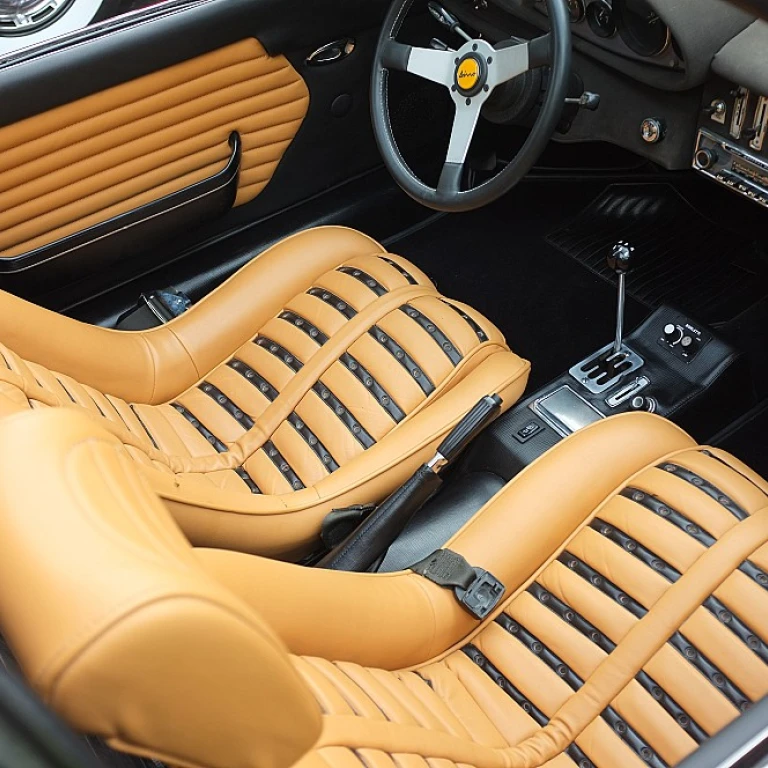
Another important factor is aesthetic appeal. Vehicles with timeless designs or unique customizations tend to retain higher values in the resale market. Custom options, particularly those that maintain the car's elegance without going overboard, can add significant value.
Mileage, of course, is a pivotal consideration. Luxury cars with lower mileage often equate to less wear and tear, thus preserving their resale value. Potential buyers are inclined to purchase vehicles that promise longevity and excellent condition.
Understanding these factors can give you an edge in maximizing returns when it's time to resell. To further explore these elements, consider market trends and consumer demand, as these elements are inherently linked to how your luxury investment is perceived in the pre-owned car market.
Depreciation Rates in Luxury Vehicles
Understanding the Depreciation Curve
The depreciation rate is a critical factor that influences the resale value of luxury vehicles. Luxury cars tend to depreciate faster than their more affordable counterparts due to several variables intrinsic to the luxury segment. Notably, the initial steep decline in value can typically be observed in the first few years of ownership.
One key reason for this rapid depreciation is the high initial price tag coupled with the rapid introduction of new models. Luxury automakers frequently update their lineups with cutting-edge technology and features, rendering slightly older models less desirable.
Additionally, the overall market demand plays a significant role in shaping these depreciation rates. Vehicles in high demand with strong luxury brand recognition tend to retain their value better over time. Conversely, cars without a dedicated enthusiast following might see a steeper decline in value. The experience of high-end performance models, for instance, can maintain stronger resale values due to limited availability and niche markets.
Another factor is the rapid advancements in automotive technology. Features like advanced infotainment systems, enhanced safety measures, and eco-friendly options quickly become outdated, causing older models to lose their appeal. Owners looking to maximize returns should keep these factors in mind while maintaining their investment.
Maintenance and Its Impact on Resale Value
The Crucial Role of Maintenance in Luxury Cars
Maintenance is a paramount factor when it comes to the reselling value of luxury vehicles. A car's overall condition is often tied directly to how well it has been maintained, which significantly influences buyer interest and, consequently, its market price.
Championing routine maintenance practices is more than just a recommendation—it's a necessity for preserving your luxury car's performance and aesthetic appeal. Regularly serviced vehicles tend to perform better, boast fewer mechanical issues, and present a stronger resale value.
Potential buyers of luxury automobiles often prioritize the vehicle’s service history. Comprehensive records reflecting timely oil changes, brake servicing, and regular inspections illustrate to buyers the diligence and care provided by the previous owner. Such documentation instills confidence, suggesting that the vehicle has fewer lurking problems, and therefore can possibly command a higher resale price.
Moreover, the cost of upkeep for luxury cars isn't trivial. This investment in upkeep can translate into significant returns when the time to resell arrives. Many buyers are willing to pay a premium for a properly maintained car, understanding the assurance and value it's likely to deliver. Consider this a testament to the importance of adhering to the manufacturer’s maintenance schedule and using quality parts and service.
Ultimately, the correlation between maintenance and resale value is unambiguous. For luxury car owners, staying on top of maintenance isn't just about preserving the driving experience—it's also about ensuring the investment retains its value over time.
The Role of Limited Editions and Customizations
Influence of Scarcity and Bespoke Features
In the realm of luxury vehicles, limited editions hold a unique sway over resale value. Their rarity can often be a significant selling point, appealing to collectors and enthusiasts who appreciate exclusivity. For instance, cars that have been produced in limited numbers can maintain their value better over time, as supply is inherently constrained. The allure of owning such a vehicle is not merely about its aesthetics or performance, but also about the prestige associated with its rarity. Bespoke customizations, another facet impacting resale, offer a personalized touch that might cater specifically to niche buyers. Whether it's a unique leather finish, a tailor-made paint job, or a customized interior, these modifications can add exceptional appeal. However, while bespoke features may heighten the car's allure, they don't universally translate to higher resale values. The key lies in ensuring that these customizations appeal to a broad set of potential buyers rather than niche preferences. Balancing individuality with market appeal can be tricky since not all customizations satisfy prospective buyers. Consulting with experts before undertaking major modifications is advisable to ensure these changes enhance rather than detract from the car's future resale value. Understanding the market's current tastes and trends can also inform better customization choices that align with general buyer preferences. Essentially, while scarcity and bespoke features ideally position a vehicle uniquely in the luxury market, their real impact on resale value depends heavily on the alignment between the customization choices and the preferences of potential future buyers.Market Timing and Selling Strategies
Strategic Timing for Selling Your Luxury Car
When it comes to maximizing the resale value of your luxury car, timing can be everything. The market for high-end vehicles like Mercedes-Benz, BMW, and Porsche can fluctuate based on various factors, including economic conditions and consumer preferences. Understanding these dynamics can help you choose the optimal moment to sell your vehicle.
One key consideration is the age of your car. Luxury cars typically experience the steepest depreciation in the first few years. For instance, models like the BMW Series or the Audi Sportback might lose a significant portion of their value within the first three years. However, after this initial period, the depreciation rate often stabilizes, making it a potentially better time to sell.
Monitoring Market Trends
Keeping an eye on market trends is crucial. For example, if there's a surge in demand for electric vehicles, it might be a good time to sell your Tesla Model. Similarly, if the market is leaning towards SUVs, selling a Range Rover or a Benz GLC could yield better returns. Staying informed about these trends can help you make a more informed decision.
Seasonal Considerations
Seasonality can also play a role in resale value. Convertibles and sports cars, such as the Porsche models, often sell better in the spring and summer months. On the other hand, SUVs like the Land Rover or the Acura RDX might see increased demand during the fall and winter, when buyers are looking for vehicles with all-wheel drive capabilities.
Ultimately, the best time to sell your luxury car depends on a combination of these factors. By understanding depreciation rates, maintaining your vehicle properly, and keeping an eye on market trends, you can strategically time your sale to maximize your returns.
