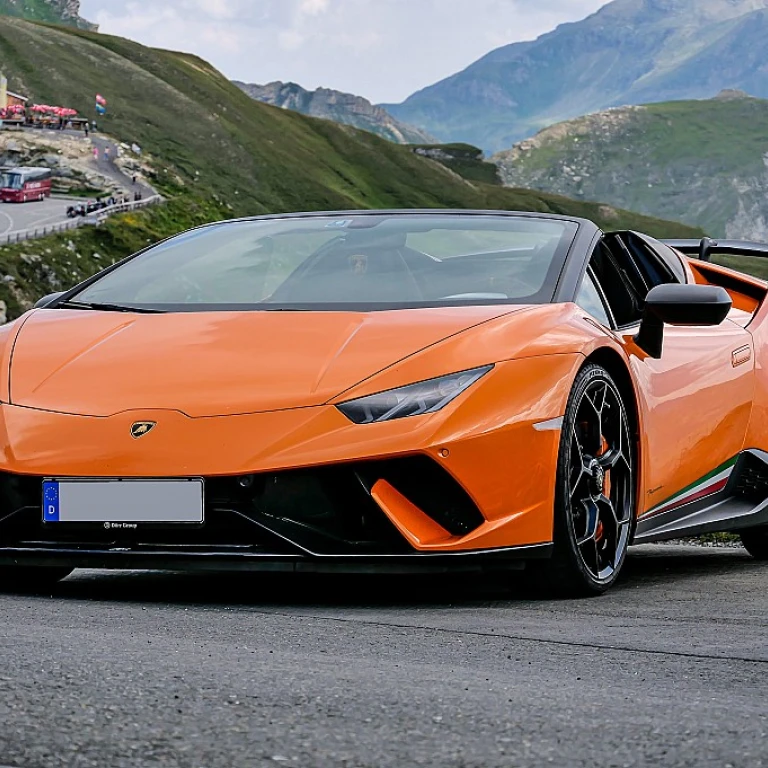
Understanding the real value behind luxury cars
What Sets Premium Cars Apart?
When people consider whether luxury cars are worth the price, the conversation often starts with what makes these vehicles different from standard models. Luxury cars—think Mercedes Benz, Bentley, or other renowned luxury brands—are engineered with a focus on superior comfort, advanced technology, and a driving experience that goes beyond the basics. The materials used in a luxury vehicle, from hand-stitched leather to real wood trim, set a higher standard for quality. Even the smallest details, like the sound of the door closing or the feel of the steering wheel, are meticulously designed to create a sense of exclusivity.
Beyond the Badge: Features and Innovations
Buying luxury is not just about the badge on the hood. These cars often introduce innovations that eventually trickle down to mainstream vehicles. Features such as adaptive cruise control, advanced infotainment systems, and cutting-edge safety technologies often debut in luxury cars years before they become available in more affordable models. This means that when you buy a luxury car, you are often experiencing the future of automotive technology today.
Is the Price Justified?
One of the main questions people ask is whether the higher price tag is justified. The cost of a luxury car is influenced by several factors:
- Premium materials and craftsmanship
- Advanced engineering and performance capabilities
- Exclusive features and customizations
- Brand prestige and heritage
While these elements contribute to a higher price, they also deliver a unique ownership experience that many find worth the investment. However, it’s important to weigh these benefits against the financial implications, which we’ll explore further in the next section.
Emotional and Lifestyle Value
For many, the value of a luxury car goes beyond tangible features. There’s an emotional satisfaction in owning a vehicle that reflects personal success and taste. Driving a luxury vehicle can elevate daily commutes and make every journey feel special. This intangible reward is a significant part of why people are willing to spend more money on premium cars, even when the cost is higher than most alternatives.
Exploring the Market for Premium Vehicles
The world of luxury vehicles is constantly evolving, with new models and innovations entering the market each year. If you’re interested in discovering some of the latest high-end options, you might want to check out this guide to exploring the market for premium vehicles. It’s a helpful resource for anyone considering whether to buy a luxury car or looking for the next big thing in automotive excellence.
The financial implications of luxury car ownership
The true cost of owning a premium vehicle
When people consider buying luxury cars, the price tag is just the beginning. The financial implications stretch far beyond the initial purchase. For many, the question isn’t just if a luxury car is worth it, but how the ongoing costs compare to standard vehicles or even other high-end alternatives.
- Depreciation: Luxury vehicles, including brands like Mercedes Benz, often lose value faster than mainstream models. While the first few years see the steepest drop, some cars retain value better, especially limited editions or well-maintained pre owned models.
- Insurance: Premium cars come with higher insurance premiums. The cost to repair or replace luxury parts, advanced tech, and the brand’s reputation all play a role in driving up the price.
- Maintenance and repairs: Regular maintenance for luxury cars is more expensive. Specialized service, premium parts, and brand-specific expertise mean you’ll pay more over the years to keep your vehicle in top condition.
- Taxes and fees: Buying luxury often means higher registration fees and taxes. Some regions impose extra charges on expensive car models, impacting your overall personal finance strategy.
- Fuel and performance: Many luxury vehicles are designed for performance, which can mean lower fuel efficiency. Over time, this adds to the total cost of ownership.
For those considering whether to buy luxury, it’s important to weigh these ongoing costs against the driving experience and prestige that come with owning luxury. Some rich people see it as an investment in lifestyle, while others focus on the pros cons from a financial perspective. If you’re exploring options, you might also want to look at alternative vehicle deals to compare what your money can buy.
Ultimately, the decision to buy a luxury brand or vehicle should align with your financial goals, lifestyle, and what you value most in a car. Whether you’re looking at a new or pre owned model, understanding the real cost will help you decide if luxury cars are truly worth it for you.
Unique challenges exclusive to luxury car owners
Unexpected Realities of Maintaining a Luxury Car
Owning a luxury vehicle is often seen as the ultimate status symbol, but the experience comes with unique challenges that many people overlook when they buy luxury cars. Beyond the initial price tag, the ongoing cost and complexity of maintaining these premium vehicles can surprise even seasoned car enthusiasts.
- Higher Maintenance Costs: Luxury cars, whether a Mercedes Benz or another high-end model, require specialized parts and service. Routine maintenance, from oil changes to brake replacements, is significantly more expensive than for standard cars. The cost of ownership over several years can add up quickly, making some wonder if these cars are worth the investment.
- Insurance Premiums: Insurance for luxury vehicles is typically much higher. The value of the car, the price of repairs, and the likelihood of theft all contribute to increased premiums. This is a crucial factor in personal finance planning for anyone considering buying luxury cars.
- Depreciation: While luxury brands hold their value better than most, even the most expensive car will depreciate. Some models lose value faster than others, especially if they are not well maintained or if newer, more advanced vehicles are released.
- Technology and Repairs: Advanced technology is a major selling point for luxury vehicles, but it can also be a source of frustration. Features like adaptive cruise control, premium infotainment systems, and complex key fobs often require specialized knowledge to repair or reprogram. For example, learning how to reprogram your Nissan key fob can be essential for seamless luxury car ownership.
- Service Accessibility: Not every mechanic is equipped to handle luxury vehicles. Owners may need to travel further or wait longer for service appointments at authorized dealers, which can be inconvenient and costly over time.
Ownership Experience: More Than Just the Drive
Driving a luxury car is about more than just the driving experience. The exclusivity of owning luxury vehicles brings its own set of pros and cons. For some, the prestige and comfort are worth every penny. For others, the higher cost and ongoing responsibilities can outweigh the benefits, especially when compared to other high-end alternatives like real estate or investing in pre owned cars.
Ultimately, buying a luxury car is a personal decision. It requires a clear understanding of the unique challenges involved, from maintenance to insurance and beyond. If you are considering whether to buy car luxury models, weigh these factors carefully to determine if the ownership experience aligns with your lifestyle and financial goals.
Lifestyle benefits and intangible rewards
The Emotional Connection and Social Status
For many luxury car owners, the value of their vehicle extends far beyond the price tag. Driving a premium car like a Mercedes Benz or another high-end model is often about the emotional satisfaction and the sense of achievement it brings. The feeling when you drive a luxury vehicle is unique—there’s a blend of pride, excitement, and confidence that comes with owning something that’s not just expensive, but also a symbol of success. This emotional connection is a major reason why people are willing to spend more money on luxury cars, even when the cost is significantly higher than standard vehicles.
Comfort, Craftsmanship, and Technology
Luxury cars are designed to deliver a superior driving experience. From the moment you sit inside, you notice the difference: high-quality materials, advanced technology, and attention to detail. Features like adaptive suspension, premium sound systems, and state-of-the-art safety technologies are not just about comfort—they’re about creating an environment that feels exclusive. For those who value craftsmanship and innovation, buying luxury is about enjoying the best that automotive engineering can offer. Over the years, these features have become more refined, making each drive feel special.
Networking and Lifestyle Opportunities
Owning a luxury car can open doors to exclusive events, clubs, and communities. Many luxury brand owners find themselves invited to private gatherings, track days, or luxury vehicle showcases. These experiences can lead to valuable networking opportunities, both personally and professionally. In some circles, the car you drive can even influence how you’re perceived, offering a subtle but powerful boost to your social status. For some, these intangible rewards are as important as the car itself.
- Access to exclusive events and experiences
- Enhanced personal and professional networks
- Opportunities to connect with like-minded enthusiasts
Personal Satisfaction and Everyday Enjoyment
Beyond the status and networking, there’s the simple joy of driving a car luxury enthusiasts dream about. Whether it’s the smooth ride, the quiet cabin, or the thrill of acceleration, luxury vehicles make everyday journeys more enjoyable. For many, this daily pleasure is what makes the higher cost and investment in a luxury car worth it. The pros cons of owning luxury are real, but for those who truly appreciate the experience, the benefits often outweigh the drawbacks.
Comparing luxury cars to high-end alternatives
How Luxury Cars Stack Up Against Other Premium Choices
When considering whether to buy a luxury car, it’s natural to compare these vehicles to other high-end alternatives. The world of premium vehicles is broader than just luxury cars—think about high-performance sports cars, top-tier SUVs, electric vehicles, and even investments like real estate. Each option brings its own set of pros and cons, especially when it comes to price, driving experience, and long-term value.
- Performance vs. Comfort: Luxury cars are engineered for a refined driving experience, blending comfort, advanced technology, and quiet cabins. In contrast, sports cars often focus on speed and handling, sometimes at the expense of ride comfort. If you value a smooth drive and a plush interior, luxury vehicles like Mercedes Benz or other luxury brands stand out.
- Cost of Ownership: Buying luxury means higher upfront costs, but also higher ongoing expenses. Premium SUVs or electric vehicles can be expensive too, but maintenance and depreciation rates vary. For example, some luxury models retain value better over the years, while others lose their worth quickly. Pre owned luxury cars can offer a balance between price and features, but may come with higher maintenance costs.
- Intangible Rewards: Luxury cars offer status, exclusivity, and a sense of achievement that’s hard to match. While expensive cars and high-end alternatives like real estate can also signal success, the immediate gratification of driving a luxury vehicle is unique. For many, the feeling of owning luxury is as important as the financial aspect.
- Practicality: Some people compare buying luxury vehicles to investing in real estate or other assets. While a car will depreciate, real estate can appreciate over time. However, the lifestyle benefits and daily enjoyment from driving a luxury car are not easily quantified in monetary terms.
Ultimately, whether luxury cars are worth the money depends on your personal finance goals, lifestyle, and what you value most in a vehicle. If you’re weighing the pros and cons of buying luxury versus other premium options, consider not just the price or cost, but also the unique experiences and intangible rewards that come with driving a luxury car. For many, the decision goes beyond numbers—it’s about the joy, pride, and satisfaction that only a luxury vehicle can deliver.
How to assess if a luxury car is right for you
Questions to Ask Before You Buy
- How does a luxury car fit into your personal finance plan? Buying luxury vehicles often means a higher upfront price and ongoing costs. Consider if the car will impact your ability to invest in real estate or other assets.
- What are your driving habits? If you drive long distances or need a vehicle for daily commuting, some models may be more expensive to maintain. Think about whether the premium driving experience is worth the cost for your lifestyle.
- Are you prepared for the higher cost of ownership? Luxury cars come with higher insurance, maintenance, and repair bills. Even pre owned luxury vehicles can be expensive to keep in top condition.
- Do you value the intangible rewards? Many people buy luxury cars for the status, comfort, and advanced features. Ask yourself if these benefits justify the price compared to other high-end vehicles or even non-automotive luxury brand purchases.
- How long do you plan to keep the car? Depreciation can be steep for expensive cars. Some models hold value better than others, but in most cases, a luxury car will lose value faster than mainstream vehicles over the years.
Comparing Pros and Cons
| Pros | Cons |
|---|---|
| Exceptional driving experience | Higher purchase price |
| Advanced technology and safety features | Expensive maintenance and repairs |
| Prestige and status | Rapid depreciation |
| Access to exclusive models and luxury brand perks | Insurance costs are higher |
| Comfort and superior materials | Potential for higher taxes and registration fees |
Making the Decision
Ultimately, buying luxury cars is a personal choice. Some people see them as a reward for years of hard work, while others view them as an expensive indulgence. If you’re considering whether a luxury car is worth it, weigh the pros and cons, think about your long-term financial goals, and consider how much you value the unique driving experience and lifestyle benefits. Don’t rush the process—research different models, compare costs, and reflect on what matters most to you before you buy car luxury vehicles.